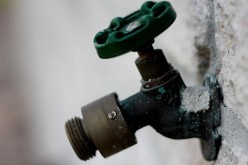
A repipe involves replacing all the pipes in your home’s water supply system. It is a large project and typically takes several days to complete.
Preparation
Repiping is an extensive plumbing process that involves replacing your home’s pipes with new, more durable ones. It’s a significant undertaking, and you’ll likely be without water for a week or more while it’s being performed. That’s why it’s essential to prepare by finding somewhere to stay, covering furniture and floors, gathering alternative water sources and supplies and preparing what is involved in repiping a house.
Regardless of their material, all pipes eventually deteriorate and must be replaced. Small leaks and clogs can often be solved with hydrojetting and drain cleaning. Still, significant problems like rusty colored water, low water pressure, and corroded pipes causing water damage indicate it’s time for a complete overhaul.
The first step in repiping is to shut off your water supply. The plumbers will then cover all work areas with plastic sheets to protect your belongings and avoid any damage while cutting into drywall to access the pipes. They’ll use tools to mark the locations of your existing lines, then cut and remove sections of drywall until they reach the pipes.
The plumbers will then install your new pipes, which can be made of various materials depending on your preference and the specific needs of your home. Once the job is completed, they’ll patch, retexture, and repaint the drywall to make it look as good as new.
Installation
The plumbing system is one of the most integral parts of your home, yet it’s often overlooked until something goes wrong. Corrosion and leaks can lead to costly repair bills, but repiping is a permanent solution that can save money and give your home peace of mind.
Whether you’re experiencing low water pressure, strange noises, rusty water, or other issues, these are all signs that it’s time to consider repiping your home. This comprehensive process can take a few days to a week and will require your water to be shut off for part of the time.
Your plumber will start by covering any furniture and walls in the work area with plastic sheets. Then, they’ll cut through the drywall to find and remove the old pipes. They’ll use a high-quality material, such as copper, PVC, or CPVC, for the new lines, which will last a long time and provide clean, clear water.
Repiping your home is a comprehensive process that can be done over a few days to a week, depending on your house’s size. While it may be more expensive than a simple plumbing repair, it’s a worthwhile investment that can help solve many issues, reduce utility bills, and protect your property from water damage.
Testing
Repiping is a comprehensive process, and it begins with an assessment of your home’s plumbing. Your repipe specialist will visit your property, evaluate the current plumbing system, and identify areas of concern. They will also determine the best materials for your repipe project, consider the layout of the existing pipes, and address any off-code requirements.
Persistent leaks indicate that it’s time to repipe your home. Leaks lead to water damage and increased water bills and can compromise water quality. A repipe can eliminate these leaks and improve your water quality.
Before you start any home structural project – such as replacing windows, tearing out a wall, add new flooring, rewiring the home, and any other major renovation project, run some financial numbers to determine whether the renovation is a smart investment.
The numbers include the estimated costs, home value assessment, financing costs, and other related calculations.
Review these cost-related issues to remodeling vs. buying a new home.
links to internal page (opens new win)
| analyze the numbers | |
| estimate the cost of your project | |
| get your home value |
The 2nd step for planning your home structural project is deciding what you would like to do.
Will it be a –
- adding a new wall or tearing one out,
- re-doing your plumbing and or electrical wiring,
- changing up your flooring,
- upgrading the home with new windows and doors,
- installing new lighting,
- redesigning your structural layout,
- or something else.
Start collecting ideas by referencing our collection of home structural analysis: view directory
Step 3 is sketching your ideas on paper (or digitally) and developing the spec plan.
The spec plan determines what type of home structural project materials, items, and design considerations that will be needed. It will also contain the product specifications for each structural element.
You will use the spec plan and architectural design to bid the project out to a contractor.
links to internal page (opens new win)
| developing the spec plan | |
| sketch remodeling plan | |
| design considerations |
Step 4 is finding and negotiating the contract with a structural contractor.
Give your home structural project ideas and specs to a contractor for review and bid analysis. Use the local network (aligned with HomeAdvisor) to find the right contractor for your project.
Review guides for contractor selection and negotiation.
links to internal page (opens new win)
| search home contractors | |
| selecting your contractor checklist |
| contractor negotiations | |
| contractor evaluation form |
Step 5 is arranging financing once you selected the contractor and finalized the contract for your project.
Using the equity value in your home is one of the best financing option for home structural project. Start with a home equity line of credit or use the bank equity program.
Other options may include cash-out refinancing, personal savings, and/or financing from home improvement contractors.
links to internal page (opens new win)
| financing options | |
| getting qualified for financing | |
| negotiate rates |
Step 6 is where the project begins.
It starts with setting up the work area, removing everything that needs to be replaced, installing necessary connections, putting in the final touches, etc.
It also means working with the contractor, managing the project, and getting the home remodeling project inspected before releasing any funds.
links to internal page (opens new win)
| working with the contractor | |
| managing remodeling project |
| about a home project inspections | |
| find home inspector |
Another sign that it’s time to repipe is if your water looks or smells unusual. This could be a sign that your pipes are rusting, which can cause contaminants to enter your water supply. A repipe can replace your old, outdated pipes with new, high-quality ones to restore your water’s quality and ensure your safety.
Repiping can take a day to a week, depending on the size of your home and how many rooms have plumbing. During this time, you’ll need to cover furniture and move wall hangings to give the plumbers access to your drywall. Your water will be shut off during this period, so plan accordingly. After the plumbers have completed their work, they’ll reconnect your water and test it to ensure everything works.
Final Inspection
The final phase involves reassembling the plumbing system, installing new fixtures and appliances, and testing to ensure everything works properly. The plumber will also repair and retexture any drywall that had to be cut open during the process. Once the repiping is done, you should have no problems with your water flow and pressure. If you are doing a home remodel, it makes sense to do a repipe simultaneously to save time and money.
other related articles of interest:
Homeowners choose to repipe their homes because their pipes are old and need an upgrade. But there are other signs that it’s time to repipe your home, such as persistent leaks or low water pressure. You may also notice that your water is rusty or discolored, which could indicate a problem with your pipes.
If your home’s pipes are made from outdated materials, such as galvanized steel or lead, repiping can improve the drinking water quality and protect you and your family from health risks. If you notice any of the above signs, talk to your plumber about repiping your home.
It can be a long, involved process that will ultimately ensure your peace of mind. And your properly will increase due to the better water quality and efficiency.
Find Plumbing Services Plumbing Issues Drain Clearing Septic/Sewers Water Heaters Pumps Water Softening top-rated, pre-screened local contractors FREE: download contractor selection enter zip code – powered by HomeAdvisor ™


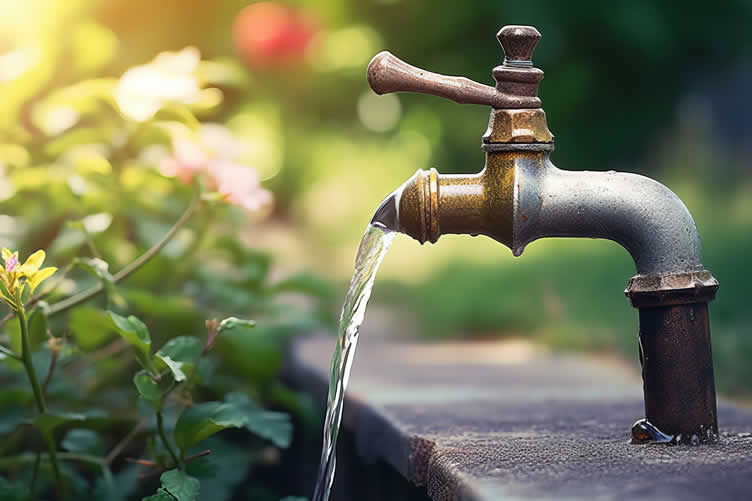
Image credit: the repiping process explained by envato.com
end of post … please share it!
| more photo remodeling |
Jump Over to Our Photo Analysis Center for Ideas on
"Renovating Home"
|__________________________________________________________|
home remodeling surprise
find out where it might go - new win


Helpful article? Leave us a quick comment below.
And please share this article within your social networks.