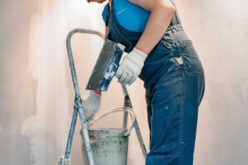
But remember, this isn’t the end of the road for your home; restoration and recovery are possible.
Identifying Water Damage
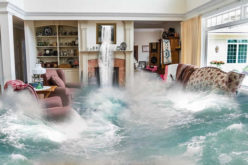
Your initial step in addressing water damage is identifying it. Unnoticed leaks or flooding may result in significant damage over time.
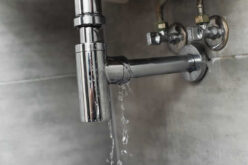
You may notice discoloration on walls or ceilings, peeling paint, damp smells, or unexpected escalation in water bills; these signs indicate potential water damage that needs immediate attention.
-
Evaluating Extent of Damage
Once you identify water intrusion, evaluating the extent of damage becomes paramount. Checking the severity of structural impairment on walls, floorings, roofing and furniture aids in creating an effective strategy for recovery.
While simple superficial damage might not be a cause for alarm, deeply penetrated humidity could pose significant threats to both safety and finances.
-
Making a Restoration Plan
Post-evaluation, planning restoration activities gives you a clear path towards recovery. Prioritize fixes based on urgency – stabilizing structures might come before aesthetic repairs while eradicated mold-infested areas often take precedence over everything else.
-
Hiring Professional Restoration Services
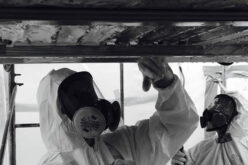
During complex cases with heavy damages or where safety is at risk, require help from the experts. Hiring a Water Damage Specialist in Sydney guarantees complete remediation with professional grade resources and expertise.
These certified professionals excel at restoring homes combating all odds ensuring there’s no compromise on quality standards.

DIY Water Damage Recovery
Contrarily if the water damage incurred is minimal and you are confident about resolving it yourself, certain DIY techniques can come handy. The key here again lies in thoroughly understanding the problem before implementing solutions.
-
Essential Restoration Tools
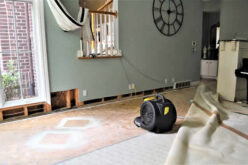
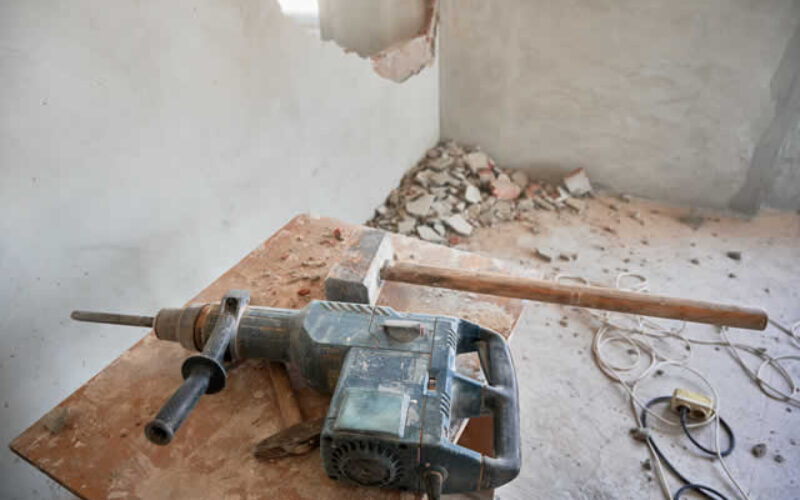
Your war-chest against this devastation must include useful tools like dehumidifiers for reducing moisture levels or air movers to ventilate closed spaces along with handy tools like hammers or crowbars to remove damaged structures as they become an integral part of the restorative process.
-
Removal of Damaged Material
It’s essential that you remove all severely damaged materials from home as soon as feasible before starting restoration works. A thorough cleanup prevents further spread of moisture and subsequent potential damages protecting unaffected areas.
-
Drying and Dehumidification Process
Post clean-up starts drying dehumidifying areas affected by water intrusion immediately. Drywall plaster wood flooring absorbs a lot of moisture which if not dried will lead to severe structural damages mold growth subsequently adding woes to wallet mental peace alike.
Deep Cleaning After Restoration
Upon completion, the final deep cleaning procedure ensures every inch has been scrupulously restored. This involves treating home with antimicrobial chemicals to eliminate any lurking pathogens to ensure healthy living post restoration.
-
Structural Repair Solutions
Once damages have been identified and removed, it’s time to reinforce the structural integrity of your home. Professional restoration services help tie up loose ends and execute meticulously planned solutions, seamlessly refurbishing the affected areas.
This strategic approach guarantees that your home transforms back into a safe habitat once more, standing as a living testament to the remarkable recovery process that restoration can bring about even in the face of grave calamities like water disasters.
-
Interior Design Renewal Ideas
Once the environment is declared safe and habitable, it’s time to refresh the aesthetics. Redesign the space using innovative ideas, transforming a negative experience into a positive remodeling opportunity.
Enhance your interiors catering to your style preferences, infusing a fresh look that aligns with latest trends. This highlights how positivity can be harnessed even amidst adversity.
-
Mold Prevention Strategies
Preventing recurrence is at the heart of restoration operations. An essential component of this process is implementing strategies to decrease the likelihood of future mold outbreaks caused by similar incidents while actively monitoring existing conditions.
-
Insurance Claims Post-Damage
The financial strain of such an extensive restoration can be significantly reduced through timely insurance claims after a disaster. It’s crucial to systematically document and forward these records to your insurance company for reimbursement of the losses incurred.
This aids in making the restoration process more economically manageable while you witness the transformation of your cherished home from devastation to beauty once more.
other related articles of interest:
How to Avoid Water Damage to Your Hardwood Floor
What To Look For In A Water Damage Restoration Services Company
Wrapping It Up
Coping with a crisis like water damage requires strength and smart decision-making. While tackling such adversity may seem daunting, facing it with determination and strategic intervention can lead to remarkable home restitution. Always remember, in the face of hardship, it’s your resolution that promises to transform lost homes into revived abodes embodying optimism and resilience.
The journey is challenging yet rewarding beyond measure. It provides a unique sense of accomplishment and acts as a gentle nudge towards maintaining diligence and vigilance for the restored home’s future. This healing process paves the way towards a dazzlingly revived future for your refurbished haven.
Find Professional Services Abatement Services Junk Removal Site Preparation Recovery Services top-rated, pre-screened local contractors FREE: download contractor selection enter zip code – powered by HomeAdvisor ™


Image credit: restoration ideas for water-damaged homesby envato.com
end of post … please share it!
|__________________________________________________________|
home remodeling surprise
find out where it might go - new win


Helpful article? Leave us a quick comment below.
And please share this article within your social networks.