Whether you’re a seasoned professional or a beginner in the industry, understanding common errors can help you navigate the construction landscape more effectively.
Insufficient Planning
A common and costly mistake in the construction industry is insufficient planning. Detailed project planning, encompassing everything from material procurement to workforce scheduling, is integral for a smooth construction process.
Overlooking the smallest details can lead to significant setbacks, multiplying costs and delaying completion. This also includes legal concerns so staying up to date on Denver building codes should be a priority before considering construction there.
Without a well-thought-out plan, there’s a higher likelihood of delays, cost overruns, and a general lack of direction. Detailed planning should include a thorough project scope definition, identifying potential risks, setting realistic timelines, and creating contingency plans for unexpected events.
- Conduct a thorough feasibility study to assess the project’s viability, taking into account factors like site conditions, regulatory requirements, and potential challenges.
- Create a detailed project schedule that outlines the sequence of tasks, dependencies, and critical milestones, allowing for better project coordination.
- Develop a comprehensive budget by accurately estimating material costs, labor expenses, equipment rentals, and other necessary resources.
- Identify potential risks and develop risk management strategies to address them, ensuring that the project can adapt to unforeseen circumstances.
- Clearly define roles and responsibilities for each team member to ensure accountability and avoid confusion during project execution.

Before you start any home construction – such as building a new home, building a new section onto an existing home, and other major construction project, run some financial numbers to determine whether the construction is a smart investment.
The numbers include the estimated costs, home value assessment, financing costs, and other related calculations.
Review these cost-related issues to home construction vs. buying a new home.
links to internal page (opens new win)
| analyze the numbers | |
| estimate the cost of your project | |
| start assembling a budget | |
| get your home value |
The 2nd step for planning your home construction is deciding what you would like to do.
Will it be a –
- designing ideas for your kitchen and bathroom,
- converting the attic or basement into livable spaces,
- adding an addition or extension to an existing home,
- adding a deck or patio and link it to an all-season room,
- planning the construction with new windows, doors and flooring,
- designing the landscape with innovative features,
- or something else.
You can find other home construction (remodeling) ideas by referencing our home renovation analysis and topic directories (opens new win)
| view remodeling design "ideas" directory | |
| view latest "topics" for home renovation | |
Step 3 is sketching your ideas on paper (or digitally) and developing the spec plan.
The spec plan determines what type of home construction materials, items, and design considerations that will be needed. It will also contain the product specifications for each constructive element.
You will use the spec plan and architectural design to bid the project out to a contractor.
links to internal page (opens new win)
| developing the spec plan | |
| sketch remodeling plan | |
| design considerations |
Step 4 is finding and negotiating the contract with a home construction contractor.
Give your home construction ideas and specs to a contractor for review and bid analysis. Use the local network (aligned with HomeAdvisor) to find the right contractor for your project.
Review guides for contractor selection and negotiation.
links to internal page (opens new win)
| search home construction contractors | |
| selecting your contractor checklist |
| contractor negotiations | |
| contractor evaluation form |
Step 5 is arranging financing once you selected the contractor and finalized the contract for your project.
Using the equity value in your existing home is one of the best financing option for home construction. Start with a home equity line of credit or use the bank equity program.
Other options may include home construction financing, personal savings, and/or financing from home construction contractors.
links to internal page (opens new win)
| financing options | |
| getting qualified for financing | |
| negotiate rates |
Step 6 is where the project begins.
It starts with setting up the work area, removing everything that needs to be replaced, installing electrical and network connections, putting in the final touches, etc.
It also means working with the contractor, managing the project, and getting the home construction project inspected before releasing any funds.
links to internal page (opens new win)
| working with the contractor | |
| managing construction project |
| about a home project inspections | |
| find home inspector |
Neglecting Safety Measures
Safety should never be compromised in any construction project. Neglecting safety measures can lead to accidents, causing human suffering, financial losses, and damage to the project’s reputation. It is essential to uphold stringent safety standards and continuously train staff in best practices to prevent such incidents.
- Establish a strong safety culture within the organization, emphasizing the importance of safety and fostering a proactive approach to accident prevention.
- Conduct regular safety training sessions for all workers, focusing on hazard identification, proper use of personal protective equipment (PPE), and emergency procedures.
- Implement routine safety inspections and audits to identify and rectify potential hazards before they lead to accidents or injuries.
- Enforce strict adherence to safety protocols and standards, and establish consequences for those who violate safety rules.
- Encourage workers to report any safety concerns or near-miss incidents, fostering a culture of open communication regarding safety matters.
Inadequate Communication
Communication is key in construction projects, with numerous stakeholders involved. Inadequate communication can lead to misunderstandings, errors, and unnecessary rework. Regular meetings, clear documentation, and open channels of communication minimize the risk of such mistakes.
- Hold regular project meetings with all stakeholders to discuss progress, challenges, and upcoming tasks, ensuring that everyone is informed and aligned.
- Utilize digital collaboration tools and project management software to facilitate real-time communication and document sharing among team members.
- Clearly define communication channels and points of contact for different aspects of the project to avoid confusion and ensure efficient information flow.
- Create and maintain detailed documentation, including meeting minutes, progress reports, and change orders, to keep a record of decisions and actions taken.
- Establish a system for handling and resolving conflicts or disputes that may arise during the project, promoting effective communication and resolution.
Failing to Manage Change Effectively
Change is inevitable in construction projects. However, failing to manage change and risks effectively can lead to cost and time overruns. A strong change management strategy, including regular reviews and contingency planning, can help avoid unwelcome surprises.
- Develop a change management process that outlines the steps for evaluating and approving proposed changes to the project scope, schedule, and budget.
- Assign responsibility for reviewing and assessing change requests to appropriate team members or committees to ensure thorough evaluation.
- Evaluate the impact of each change on the project’s objectives, timeline, and budget, and communicate the results to relevant stakeholders.
- Implement a clear approval process for changes, ensuring that they are properly documented and communicated to all relevant parties.
- Regularly review the change management process itself, seeking feedback from team members and stakeholders to identify areas for improvement.
Poor Cost Estimation
It is essential to understand the cost of construction materials, labor, and equipment before committing to a project. Poor estimation can result in inadequate budgeting and a lack of resources, resulting in delays and quality issues. Thorough research and accurate calculations are necessary for successful cost management.
- Gather accurate and up-to-date cost data by consulting with suppliers, contractors, and industry experts to obtain realistic pricing estimates.
- Consider inflation and market fluctuations when estimating long-term projects, and factor in potential cost changes that may occur during the construction period.
- Utilize cost estimation software or tools that can help streamline the process and provide more accurate projections.
- Conduct post-project cost analysis to compare estimated versus actual costs, identifying areas of improvement for future projects.
- Build contingency funds into the budget to account for unforeseen expenses or changes that may impact the project’s overall cost.
other related articles of interest:
Starting a Construction Project? Here Are the 10 True Essentials
The Critical Role of Structural Support in Building Construction
Inaccurate Documentation
Construction projects generate a great deal of documentation. However, any inaccuracies can lead to disputes and costly litigation, especially with regard to contracts and permits. It is important to ensure that all documents are accurate, updated regularly, and signed off by the appropriate parties.
Moreover, inaccuracies in documentation can result in costly litigation. Legal battles over contract disputes or permit violations can drain financial resources and cause significant delays in project completion. It can tarnish the reputation of the construction company involved and deter potential clients from engaging in future projects.
- To avoid these pitfalls, construction companies must implement robust document control procedures. This includes maintaining a centralized and secure repository for all project-related documents and ensuring version control to prevent confusion over the most recent revisions. Each document should have a designated owner responsible for its accuracy and updates.
- Regular reviews and cross-checks of documents are necessary to identify and rectify any discrepancies promptly. All changes or modifications to contracts, plans, or specifications should be properly documented, approved, and communicated to relevant stakeholders to ensure transparency and avoid misunderstandings.
Find Home Construction Services Additions Home Construction Major Remodels Site Preparation top-rated, pre-screened local contractors FREE: download contractor selection enter zip code – powered by HomeAdvisor ™


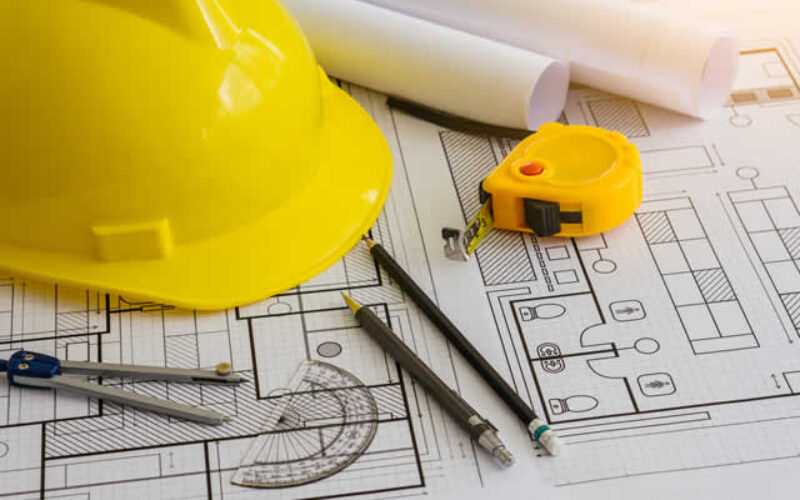
Image credit: avoid costly mistakes in the construction industry by envato.com
end of post … please share it!
|__________________________________________________________|
home remodeling surprise
find out where it might go - new win


Helpful article? Leave us a quick comment below.
And please share this article within your social networks.