Structural support plays an essential role in completing any structure, as it is responsible for helping to bear the weight of the entire construction loads and resisting external forces such as wind and seismic activities.
Without adequate structural support, you risk compromising the security and integrity of your building – not only putting people at risk, but also leading to costly repairs later down the line.
1. RSJ Beams
Rolled steel joists (RSJs) are one of the most popular and commonly used structural support options for buildings. These beams offer superior strength, rigidity, and durability, making them ideal for a range of applications from residential homes to industrial warehouses.
RSJs can be connected together using various types of fasteners such as bolts or welds to create a strong connection that is able to withstand high levels of stress with minimal deformation.
Additionally, RSJ beams used for construction work can be customized in terms of dimensions and strength to ensure they are suitable for the specific requirements of the project. If you are looking to build a structure that is safe and sturdy, RSJ beams provide an ideal solution.
2. Steel Columns
Steel columns are one of the most common types of structural support used in building construction. Steel is typically chosen for its high strength and durability, meaning it can easily accommodate heavier loads compared to other materials.
Steel columns can also be fabricated in nearly any shape or size, making them ideal for projects with unique requirements. Additionally, steel columns are fireproof and need little maintenance once installed.
This means they provide an effective long-term solution to support a structure’s walls and roof, as well as hold up floors and decks. As long as they’re properly designed and installed by an experienced professional, steel columns offer reliable support that will last for years to come.
While they’re a bit more expensive than other material options, the added cost is often worth it for the peace of mind that comes with knowing your structure is supported by a strong and reliable material.
3. Timber Beams
Timber beams are an excellent choice for those looking to construct a building with an aesthetically pleasing interior. This type of support system is also flexible and relatively inexpensive when compared to steel or concrete options.
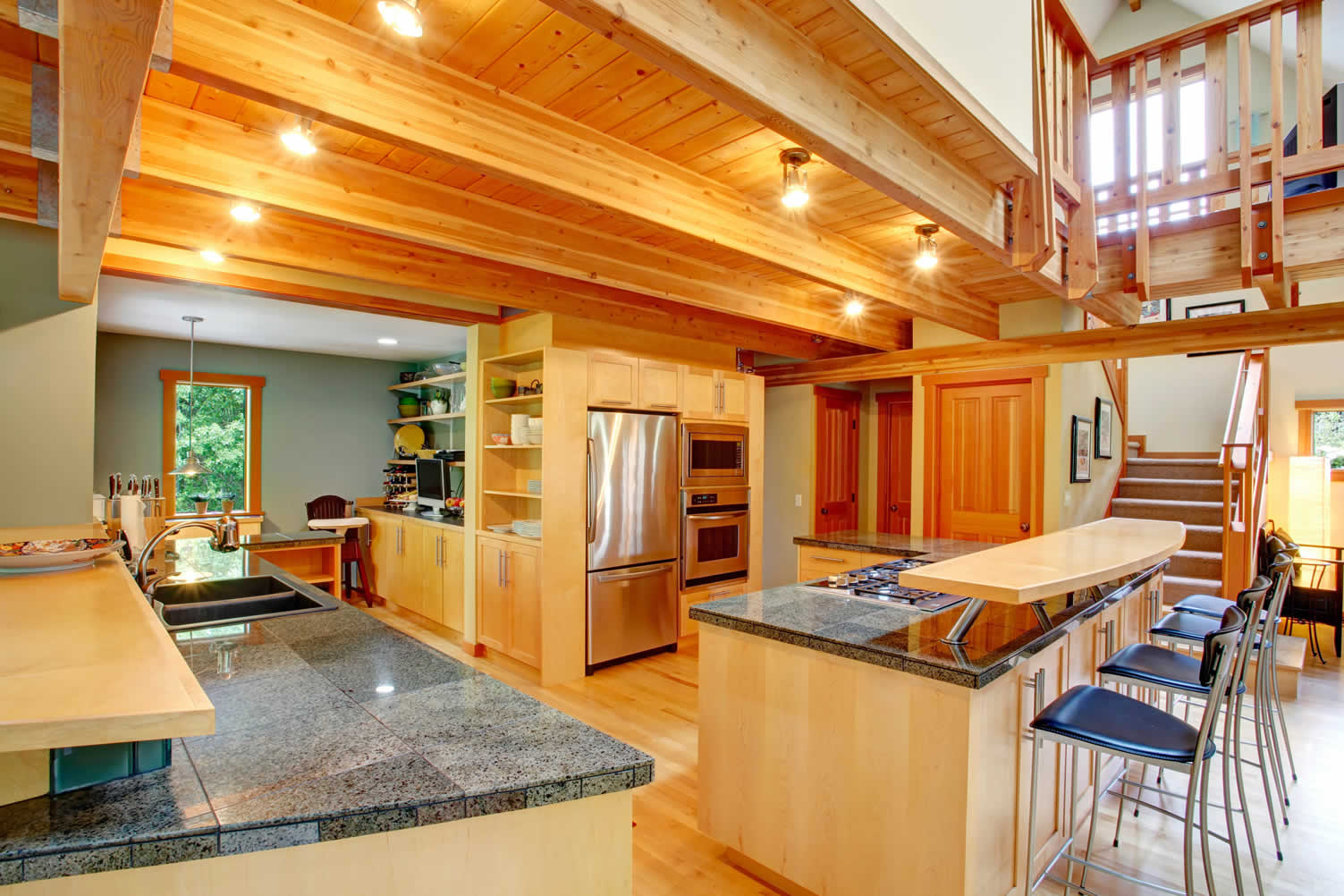
The natural beauty of timber adds warmth and character to any space, making it a popular choice for residential homes as well as commercial projects. Another advantage of timber beams is their ability to be cut and shaped into many different configurations, allowing you to customize the design of your structure.
However, it’s important to note that timber does have its limitations in terms of strength and durability, so it’s best used for lighter applications such as decks or pergolas rather than large-scale projects.
4. Concrete and Steel
When it comes to structural support, concrete, and steel are two of the most popular materials used in building construction. Concrete is a versatile material that is known for its strength, durability, and cost-effectiveness.
Steel is also strong, durable, and relatively inexpensive, making it an ideal choice for many types of structures. When these two materials are combined, they create a powerful combination that can provide optimal structural support for buildings.
Additionally, both concrete and steel are fire-resistant materials that help protect occupants from potential fires. This makes them an excellent choice for commercial and residential buildings alike.
5. Masonry Walls
For centuries, masonry has been used to construct strong and durable structures; and masonry walls provide the utmost support for buildings. Modern masonry is composed of natural stone, clay bricks, concrete blocks, or a combination thereof.
The strength of masonry lies in the combination of material and its construction technique—the mortar must be spread between each unit in such a manner that it forms an interlocking structure with no weak points.
This ensures that the wall can bear extreme loads without crumbling or collapsing. Masonry walls are also fire-resistant and excellent at sound insulation; they even have self-cleaning properties due to their porosity.
6. Composite Structures for Improved Performance
Composite structures, which combine two or more materials together to form a stronger mix, are beneficial when increased strength is desired. By combining materials with different strengths and weaknesses, the composite structure can offer enhanced performance in terms of compression, tension, shear, and fatigue.
Composite structures also offer cost-savings as they may use less material than traditional methods. An example of this would be concrete reinforced with steel bars (rebar). The combination offers improved strength and stability compared to traditional concrete alone.
It’s important to note, however, that the design of a composite structure must be carefully considered in order to ensure it meets all applicable safety standards.

7. Innovations in Structural Support
Innovation in structural support is playing an increasingly important role in the construction industry. As materials become more advanced, they can be used to create designs that not only provide greater strength, but also save time and money.
For example, pre-stressed concrete beams are being used for longer spans or for supporting heavier loads, while lightweight steel framing systems offer increased flexibility and quicker installation times.
In addition, cross-laminated timber is becoming a popular choice for its strong performance characteristics and environmental benefits. With these advancements, it is possible to construct more efficient buildings with less material while still ensuring safety and security.
Conclusion
Whether it’s timber, concrete and steel, masonry, or composite structures, each material offers its own unique benefits when used in building construction. Structural support is essential to ensure the safety of occupants and buildings alike.
By understanding the different materials available and their strengths and weaknesses, architects and engineers can make informed decisions on which material will provide the best structural support for their projects.
With continual advancements in materials and technologies, construction professionals have access to more innovative options that can create stronger and more efficient structures. With these tools, they can design and build buildings that are durable, safe, and cost-effective.
Image credit: critical role of structural support in building construction by envato.com
end of post … please share it!
|__________________________________________________________|
home remodeling surprise
find out where it might go - new win


Helpful article? Leave us a quick comment below.
And please share this article within your social networks.