It is important for any project manager or construction professional to comprehend the fundamental components that lead to structural durability.
- post content
- Quality Materials is The Foundation of Durability
- Innovative Design Techniques
- Proper Site Preparation
- Reinforcement Techniques
- Regular Maintenance and Inspections
- Sustainable Building Practices
- Advanced Technologies in Construction
- In Summary
- side idea:Materials You Need renovation
- view key:collective notes
Quality Materials is The Foundation of Durability
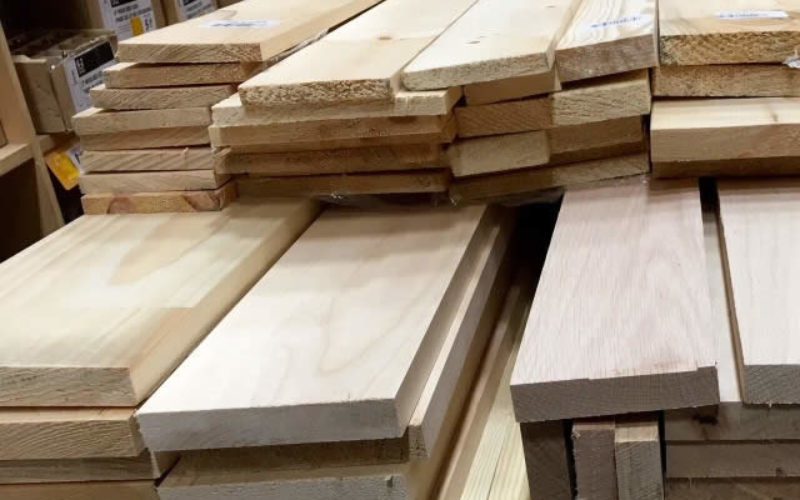
Any infrastructure project’s lifetime is largely dependent on the materials chosen. Superior materials offer a strong base that endures environmental difficulties by resisting weathering, corrosion, and wear.
Purchasing supplies from reliable vendors with a stellar reputation for quality is essential.
High-grade concrete and treated lumber are examples of materials that are investments in the project’s future that will guarantee the built environment’s stability and safety for many years to come.
By using stainless steel for fixtures and fittings, you may further increase the durability of the building by preventing rust and deterioration.

Innovative Design Techniques
Enhancing durability is also greatly aided by modern design principles. Engineers can forecast how structures will withstand different stresses, such as natural disasters, by using the most recent structural analysis tools.
By incorporating features like elevated foundations or sloped roofs, creative architectural solutions can dramatically extend the life of a project by preventing damage from environmental influences like wind and water.
For instance, the use of thermal mass materials can improve indoor temperature regulation, while the use of aerodynamic forms can assist buildings survive strong winds.
Proper Site Preparation
Thorough site preparation has a major impact on a structure’s lifespan. It’s critical to evaluate the stability and composition of the soil before starting construction.
Properly prepared ground that can manage drainage and is sturdy enough to hold the planned structures will stop a lot of frequent issues like water damage and subsidence, which over time can weaken the building’s integrity.
Methods like using geotextiles and stabilizing the soil can improve ground integrity and stop erosion even more.
Reinforcement Techniques
One important construction tactic that greatly increases durability is reinforcement. The engineering and construction industries make substantial use of rebar steel, a reinforcing steel bar. It is renowned for having excellent qualities, including high tensile strength and resistance to tension, which make it the perfect option for giving structures extra support.
In addition, the integration of contemporary composite materials such as fiber-reinforced polymers with conventional rebar is enhancing the load-bearing capability and durability of concrete constructions.
Regular Maintenance and Inspections
Any infrastructure’s lifespan can only be increased by routine maintenance. Regular inspections can save money and increase the lifespan of the structure by identifying minor faults before they become larger ones.
Having a maintenance plan in place from the start of the project is essential, and it should concentrate on sections like roofs, foundations, and load-bearing walls that are known to deteriorate quickly.
Early warnings of possible problems can be obtained by utilizing technologies such as sensors to monitor structural health and drones for aerial inspections.
Sustainable Building Practices
Not only can sustainable building approaches benefit the environment, but they also make construction projects more durable.
Longevity can be increased by applying strategies including employing energy-efficient systems that ease the strain on building components, using recycled materials that are more resistant to environmental deterioration, and designing structures to make optimum use of natural light and heat.
By increasing energy efficiency, these methods not only aid in resource conservation but also save operating expenses.

Advanced Technologies in Construction
Construction durability can be significantly increased by utilizing cutting-edge technology like 3D printing and automated building information modeling (BIM).
More accurate planning and simulation of the behavior of infrastructure under various conditions are made possible by BIM, and materials that closely match design criteria can be produced through 3D printing, lowering the possibility of mistakes that could compromise the structural integrity of the building.
Furthermore, proactive maintenance is made possible by the incorporation of smart sensors into building materials, which can continuously provide input on the structural health.
In Summary
Infrastructure projects must take durability into account from the very beginning to ensure their success and longevity. Building experts may guarantee that their projects will endure for generations by emphasizing high-quality materials, creative design, and routine upkeep.
Prioritizing durability from the beginning not only improves a structure’s usage and safety but also yields substantial financial gains during the project’s life.
Find Home Construction Services Additions Home Construction Major Remodels Site Preparation top-rated, pre-screened local contractors FREE: download contractor selection enter zip code – powered by HomeAdvisor ™


Image credit: by envato.com
end of post … please share it!
|__________________________________________________________|
home remodeling surprise
find out where it might go - new win


Helpful article? Leave us a quick comment below.
And please share this article within your social networks.