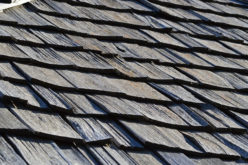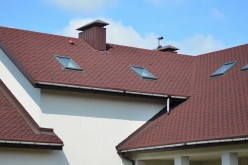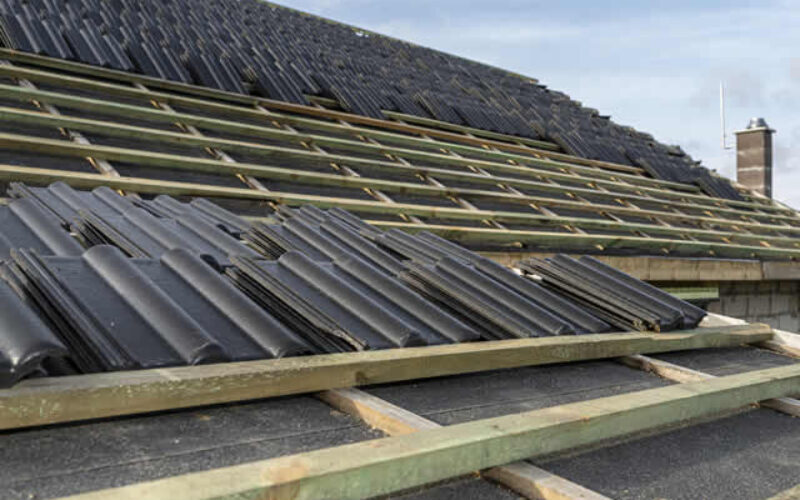
The following points explore seven important steps every homeowner should consider to keep their roof in excellent condition. From regular inspections to proper ventilation, following these steps will help you maintain a strong and durable roof for years.
- post content
- 1. Choose High-Quality Materials
- 2. Ensure Proper Installation
- 3. Regularly Inspect and Maintain Your Roof
- 4. Keep Gutters and Drains Clean
- 5. Ensure Proper Ventilation
- 6. Address Repairs and Issues Promptly
- 7. Practice Preventive Measures
- conclusion
- side idea:Maximizing roof Energy Efficiency
- view key:collective notes
1. Choose High-Quality Materials
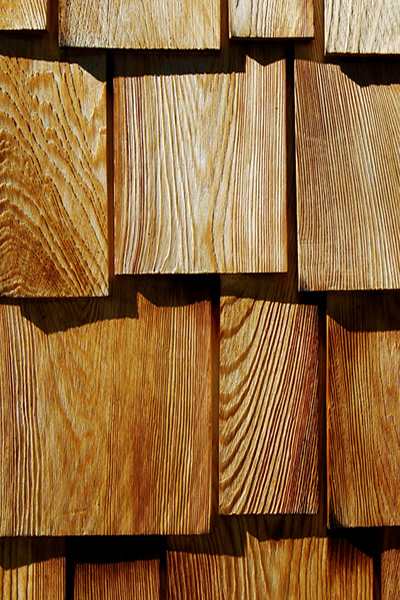
Selecting high-quality roofing materials is crucial for maximizing the lifespan of your new roof. You might have to pay a bit more for durable, quality materials that can withstand harsh weather conditions and resist damage. Look for reputable manufacturers known for their quality products and consider factors such as durability, longevity, and energy efficiency.
2. Ensure Proper Installation
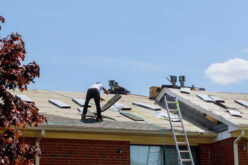
Proper installation is one of the most important factors in ensuring the longevity of your new roof. Hire experienced and certified roofing contractors who have a track record of delivering quality workmanship.
Even with the best materials, improper installation can lead to various issues, such as leaks, poor ventilation, and premature deterioration.
Professional installation will ensure the roof installation is done properly with measures in place to protect your roof’s longevity, which will provide you with peace of mind.
3. Regularly Inspect and Maintain Your Roof
Regular roof inspections and maintenance by a qualified Cedar Park roofing contractor are essential for detecting and addressing potential issues early on. The longer problems go unaddressed, the more costly they become to repair.
Schedule professional inspections at least once a year to identify any signs of damage, leaks, or wear and tear. Additionally, watch for loose or missing shingles, damaged flashing, and signs of water infiltration.
An experienced roofer has the knowledge and skill to detect leaks and other issues before you see any evidence of them yourself. Prompt repairs and maintenance can prevent minor problems from escalating into major issues.
4. Keep Gutters and Drains Clean
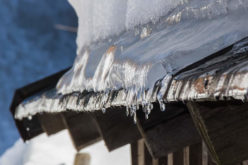
Proper water drainage is crucial for the health of your roof. Clogged gutters and drains can lead to water pooling on the roof, causing damage to shingles or tiles and compromising their integrity. Leaf matter can also build up over the gutters and onto the roof, causing some types of shingles to rot or degrade.
Regularly clean and maintain your gutters, removing debris such as leaves, twigs, and dirt. Ensure water can flow freely and direct it away from your home’s foundation to prevent water damage.
5. Ensure Proper Ventilation
Proper ventilation is crucial for maintaining the health of your roof and maximizing its lifespan. Good ventilation helps regulate temperature and moisture levels in the attic, preventing excessive heat buildup and condensation.
It reduces the risk of mold growth, rot, and premature deterioration of roofing materials. Consult with a roofing professional to ensure your roof has adequate ventilation based on your home’s design and climate.
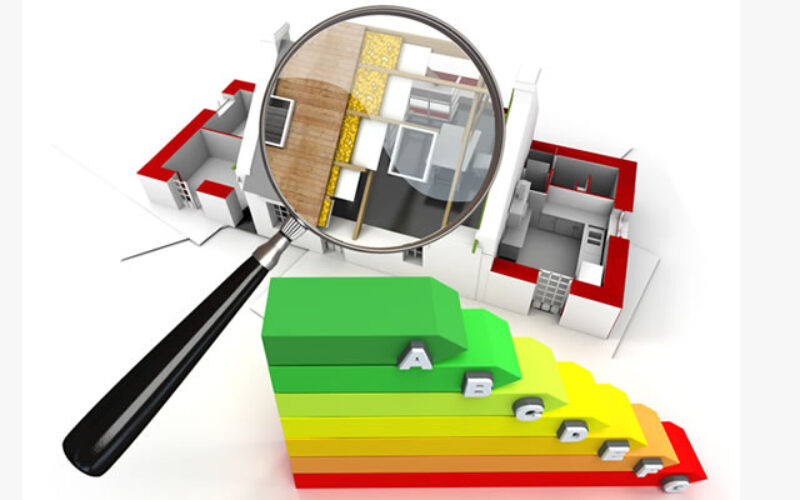
Before you start any exterior home project – such as replacing roof, fixing the foundation, getting a new driveway, expanding the porch, and any other major exterior home project, run some financial numbers to determine whether the renovation is a smart investment.
The numbers include the estimated costs, home value assessment, financing costs, and other related calculations.
Review these cost-related issues to remodeling vs. buying a new home.
links to internal page (opens new win)
| analyze the numbers | |
| estimate the cost of your project | |
| get your home value |
The 2nd step for planning your exterior home project is deciding what you would like to do.
Will it be a –
- replacing the roof and/or gutters,
- adding new siding,
- updating the porch and home entryway,
- installing a new driveway and/or walkway,
- addressing foundational issues,
- decorating the exterior with trim, shutters and more decor,
- or something else.
Start collecting ideas by referencing our collection of home structural analysis: view directory
Step 3 is sketching your ideas on paper (or digitally) and developing the spec plan.
The spec plan determines what type of exterior home project materials, items, and design considerations that will be needed. It will also contain the product specifications for each structural element.
You will use the spec plan and architectural design to bid the project out to a contractor.
links to internal page (opens new win)
| developing the spec plan | |
| sketch remodeling plan | |
| design considerations |
Step 4 is finding and negotiating the contract with a structural contractor.
Give your exterior home project ideas and specs to a contractor for review and bid analysis. Use the local network (aligned with HomeAdvisor) to find the right contractor for your project.
Review guides for contractor selection and negotiation.
links to internal page (opens new win)
| search exterior home contractors | |
| selecting your contractor checklist |
| contractor negotiations | |
| contractor evaluation form |
Step 5 is arranging financing once you selected the contractor and finalized the contract for your project.
Using the equity value in your home is one of the best financing option for exterior home project. Start with a home equity line of credit or use the bank equity program.
Other options may include cash-out refinancing, personal savings, and/or financing from home improvement contractors.
links to internal page (opens new win)
| financing options | |
| getting qualified for financing | |
| negotiate rates |
Step 6 is where the project begins.
It starts with setting up the work area, removing everything that needs to be replaced, installing necessary connections, putting in the final touches, etc.
It also means working with the contractor, managing the project, and getting the home remodeling project inspected before releasing any funds.
links to internal page (opens new win)
| working with the contractor | |
| managing remodeling project |
| about a home project inspections | |
| find home inspector |
6. Address Repairs and Issues Promptly
Timely repairs are essential for preserving the longevity of your roof. If you notice any signs of damage, such as missing, crooked, or damaged shingles, ceiling leaks or sagging areas, have them addressed them promptly.
Ignoring or delaying repairs can lead to more extensive damage and costly repairs down the line. Contact a qualified, experienced roofing contractor to assess your roof and provide appropriate repairs or replacements.
7. Practice Preventive Measures
Implementing preventive measures can significantly extend the lifespan of your new roof. Trim overhanging tree branches that can scrape against the roof surface during strong winds. Remove debris regularly to prevent it from accumulating and causing damage.
Avoid walking on the roof unless necessary, as it can cause unnecessary wear and tear. Taking proactive steps to protect your roof will help maintain its integrity for years.
other related articles of interest:
What To Do When Your Roof Gets Damaged By The Storm
The Cost of Roof Replacement – What to Expect and How to Save Money
Final Thoughts
By following these seven essential recommendations, you can significantly enhance the lifespan of your new roof. Regular inspections, proper maintenance, and timely repairs will help you identify and address damage and other issues early and prevent them from escalating into more significant problems.
Additionally, ensuring adequate ventilation, practicing preventive measures, and utilizing professional services when needed will further contribute to the long-term health of your roof. Remember, a well-maintained roof protects your home and provides peace of mind.
By taking proactive steps and being attentive to your roof’s needs, you can enjoy a durable and reliable roof for many years.
Find Roofing Services Roof Replace Roof Repair Roofing Other Gutter Systems top-rated, pre-screened local contractors FREE: download contractor selection enter zip code – powered by HomeAdvisor ™


Image credit: maximize the lifetime of your new roof by envato.com
end of post … please share it!
| more photo remodeling |
Jump Over to Our Photo Analysis Center for Ideas on
"Renovating Home"
|__________________________________________________________|
home remodeling surprise
find out where it might go - new win


Helpful article? Leave us a quick comment below.
And please share this article within your social networks.