Many homeowners start thinking about sustainability when systems begin to age. A careful roof replacement can shift a house from wasteful performance to efficient operation.
Old roofing materials often trap heat, leak air, and allow moisture to damage insulation. These problems raise energy bills and shorten the lifespan of structural parts. By replacing a worn roof with efficient materials, homeowners improve comfort and lower environmental impact.
Why Roofing Knowledge Matters for New Buyers
Buying a first home often brings excitement mixed with uncertainty. Many first-time homebuyers focus on kitchens, bathrooms, and visible design features. The roof receives less attention during early inspections.
Yet it remains one of the most important systems in the building. A weak or aging roof can create long-term costs that surprise new owners. Understanding roofing basics helps buyers evaluate a property with confidence. It also helps them plan future upgrades with realistic expectations.
Recognizing Early Warning Signs on the Roof
Most roof failures begin with small issues that people ignore. Homeowners who learn about common roofing problems can act early and prevent more serious damage. Cracked shingles, loose flashing, and blocked drainage systems appear in many older houses.
These warning signs often appear long before major leaks. When people notice these symptoms, they can make smarter decisions about repairs or upgrades. Early action prevents moisture from spreading into insulation and framing. Over time, this awareness protects both property value and household comfort.
The Roof as a Key Player in Energy Efficiency
Energy efficiency begins with the building envelope. The roof forms the largest surface exposed to the sun and the weather. Poor roofing materials absorb heat and transfer it into the attic. This trapped heat forces cooling systems to work harder during warm months.
Efficient roofing surfaces reflect sunlight and release heat more effectively. Proper ventilation also pushes warm air outside before it enters living spaces. These improvements reduce energy demand while maintaining stable indoor temperatures.
Planning Ahead: Replace Your Old Roof
Every roofing system has a limited lifespan. Asphalt shingles often last twenty to thirty years under normal conditions. Metal or tile systems can last longer, but still require inspection and maintenance. Homeowners should watch for curling edges, missing shingles, and repeated leaks.
These signals often point to when it’s time to replace your old roof rather than patching small areas. Repeated repairs may cost more than a planned upgrade. A timely replacement protects the structure and improves energy performance. Planning early also gives homeowners time to select durable materials.
more info below about roof replacement

Transforming Your Home Exterior: A Comprehensive Guide to Roof Replacement
Roof replacement is not merely a routine maintenance task, but a crucial investment in the longevity and safety of your home.
Material Choices That Support Sustainable Living
Sustainable roofing begins with thoughtful material selection. Modern roofing products now include recycled metals, reflective coatings, and durable composites. These materials reduce waste while extending the life of the roof system.
Some products also reflect sunlight and lower attic heat buildup. This feature helps reduce cooling energy during the summer months. Longevity also matters because durable roofs reduce landfill waste. Choosing high-quality materials means fewer replacements over the lifetime of a home.
Exploring Roof Improvements
Roof upgrades do not always require a complete rebuild. Homeowners can begin with roof improvements that strengthen efficiency and durability. Adding attic insulation often produces immediate energy savings.
Improved ventilation systems also move heat and moisture out of the roof space. Solar reflective coatings can reduce surface temperatures on certain materials.
Stronger flashing around chimneys and vents prevents moisture intrusion. Small upgrades often extend the life of existing materials while improving comfort.
Why Roof Replacement Shapes Long-Term Sustainability
A roof upgrade influences nearly every part of a home’s performance. Materials, insulation, and ventilation work together as one system. A well-planned roof reduces heat transfer and protects structural components.
This improvement lowers energy use across the entire building. Homeowners also gain better moisture control and indoor air quality. These changes protect insulation and prevent mold growth. Over time, the roof becomes a central element in sustainable home management.
Waste Reduction Through Smart Roofing Decisions
Construction waste fills many landfills each year. Roofing materials represent a significant share of that waste. Sustainable roofing practices aim to reduce this impact. Contractors now recycle asphalt shingles and metal panels in many regions.
Reclaimed materials often become road surfaces or new construction products. Homeowners can ask contractors about recycling programs before starting a project. Responsible disposal practices protect local environments and reduce landfill pressure.
Solar Integration and the Future of Roofing
Many homeowners now explore renewable energy systems. Roof surfaces provide an ideal location for solar panels. Modern roofing designs often include structural support for these installations.
Strong roofing materials protect the structure while supporting solar equipment. Panels convert sunlight into electricity that powers the home. This shift reduces reliance on external energy sources. Over time, solar integration transforms the roof into an energy-producing surface.
Climate Awareness and Roofing Strategy
Climate conditions influence roofing choices more than many people realize. Hot climates require reflective materials that reduce heat absorption. Cold climates require strong insulation and moisture control.
Storm-prone areas need impact-resistant materials and strong fastening systems. Homeowners benefit from choosing materials designed for local weather patterns. Regional climate knowledge helps roofs perform reliably across decades. Careful planning protects homes from damage while reducing energy demand.
Contractor Expertise and Project Planning
A successful roofing project depends on skilled installation. Even high-quality materials fail if workers install them poorly. Experienced contractors inspect the structure before beginning work. They identify weak decking, damaged insulation, or poor ventilation.
Addressing these issues during installation prevents future repairs. Clear communication between the homeowner and contractor supports a smooth process. Careful planning ensures the final system performs as expected.
other related analysis of interest: (new win)
Building a Sustainable Roof Replacement
A home becomes stronger and more efficient when the roof performs well. Thoughtful planning turns roof replacement into a major step toward sustainable living. Efficient materials reduce heat transfer and protect insulation.
Proper ventilation maintains stable temperatures and prevents moisture damage. With careful planning and quality installation, a roof upgrade becomes a lasting investment in both the home and the environment.
Find Roofing Services Roofing Gutter Systems Chimney Pest Control top-rated, pre-screened local contractors FREE: download contractor selection enter zip code – powered by HomeAdvisor ™


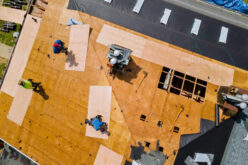
Image credit: roof replacement by envato.com
end of post … please share it!
| more photo remodeling |
Jump Over to Our Photo Analysis Center for Ideas on
"Renovating Home"
|__________________________________________________________|
home remodeling surprise
find out where it might go - new win


Helpful article? Leave us a quick comment below.
And please share this article within your social networks.