Quick Answer:
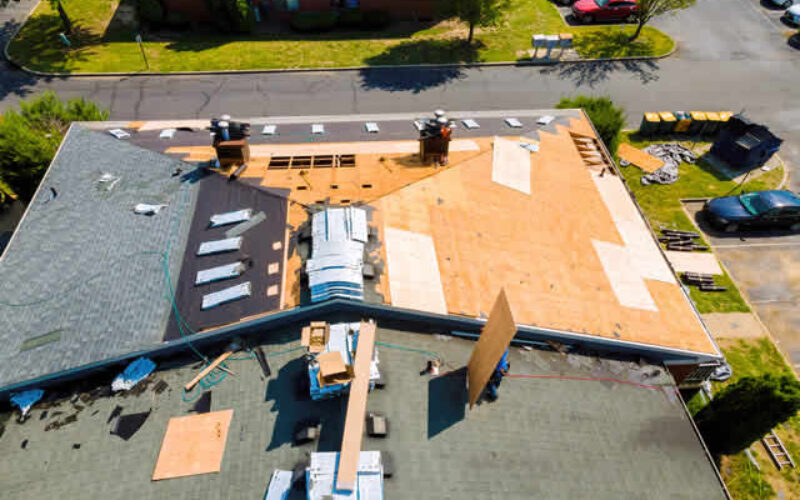
A trustworthy roof replacement estimate covers far more than shingles times square footage. It accounts for true roof area (which grows with pitch and slope), material grade, labor complexity, tear-off and disposal, water-management details, ventilation, permits, and any structural repairs discovered once the old roof comes off.
The average roof replacement costs $9,500, though totals can range from about $5,800 to $46,000 depending on materials, roof size, and location (NerdWallet, 2025).
That wide range exists because every roof is a little different, and a proposal that only multiplies square footage by a price-per-foot number is leaving out the details that actually determine your final bill.
This guide walks through the factors that belong in a comprehensive roof replacement estimate, so you can ask better questions, compare quotes with confidence, and budget for the project without unwelcome surprises along the way.
- post content
- Actual Roof Area Versus Home Square Footage
- Roof Shape And Slope Complexity
- Material Selection And Long-Term Value
- Labor Costs And Regional Rates
- Removal, Disposal, And Site Management
- Water Management And Underlayment Systems
- Ventilation And Attic Health Considerations
- Permits, Inspections, And Code Compliance
- Hidden Repairs Uncovered During Tear-Off
- Frequently Asked Questions
- conclusion
- view notes:collective tips
- view analysis:7 signs roof replacement needs
- view ideas:latest remodeling analysis
Actual Roof Area Versus Home Square Footage
The square footage of your living space and the square footage of your roof are two different numbers, and confusing them is one of the most common reasons homeowners feel blindsided by a final bill.
Roof area accounts for pitch, overhangs, and the geometry of the surface itself, so a home with 2,000 square feet of floor space can easily require a roof covering closer to 2,600 or 2,800 square feet once slope is factored in. Roofers calculate this true area using the roof’s pitch multiplier, measuring each plane and applying a factor that reflects how steep the surface is.
A contractor who skips this step and estimates from your home’s footprint alone is likely to hand you a number that doesn’t hold up once work begins. Asking how a bid arrived at its total roof area is a simple, revealing question that separates careful contractors from rushed ones.

Roof Shape And Slope Complexity
Not all roofs are created equal, and shape plays a bigger role in pricing than most homeowners expect. A simple gable roof, with its two straightforward slopes, is generally the least expensive to replace because it’s easy to access and involves minimal cutting.
Hip roofs, which slope on all four sides, and mansard roofs, with their steep, multi-angled planes, both require more material cuts, more precise flashing work, and more time on the ladder. Steeply pitched roofs add another layer of cost because they demand additional safety equipment and slow down every step of the installation.
According to Angi’s data, a steeply sloped roof can add an extra $1,000 to $3,000 to the total project (NerdWallet, 2025). When a contractor walks your roofline before quoting, they’re accounting for exactly this kind of complexity.
Material Selection And Long-Term Value
Material choice shapes both your upfront cost and how many years you’ll get to enjoy your new roof before doing this all again. Asphalt shingles remain the most budget-friendly option, running roughly $1 to $1.20 per square foot and lasting 10 to 20 years.
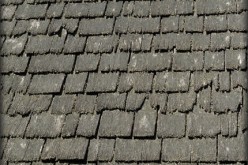
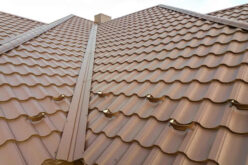
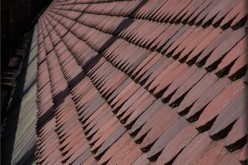
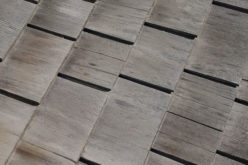
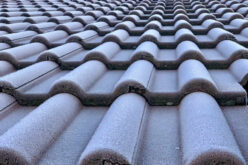
Metal shingles and shakes land between $6 and $16 per square foot but can last 50 to 75 years, while premium materials like clay tile, concrete, and slate range from $10 to $30 per square foot with lifespans stretching from 50 to 200 years (NerdWallet, 2025).
Choose asphalt if your priority is keeping upfront costs manageable and you don’t plan to stay in the home for decades. Choose a metal or tile system if you value longevity and are willing to pay more now to avoid replacing the roof again in your lifetime.
Every material also comes with its own warranty terms, so it’s worth asking your contractor how coverage compares across the options they recommend.
something of interest below
7 Signs Your Home’s Roof Needs Replacing
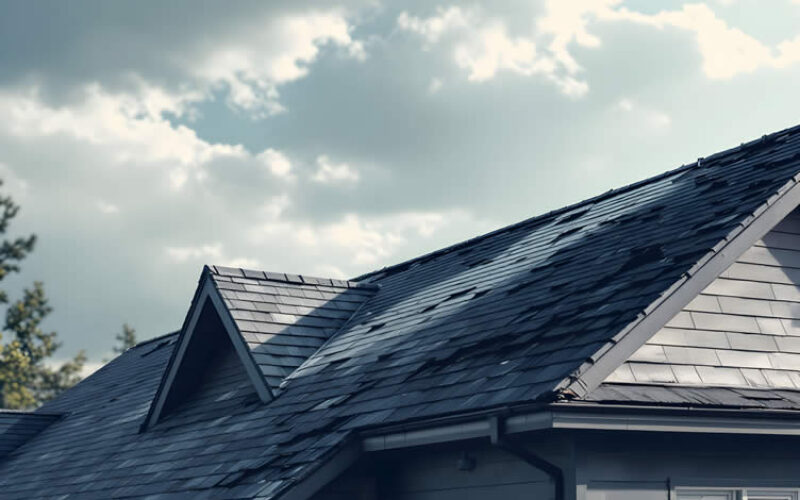
Most homeowners don’t think about their roof until a water stain appears on the ceiling or a leak starts dripping into the living room. By then, the damage has often been quietly building for months — sometimes even years.
Labor Costs And Regional Rates
Labor typically makes up more than half of a roof’s total replacement cost, and professional crews generally charge between $40 and $90 per hour per worker (NerdWallet, 2025). Where you live has a real effect on this number.
This Old House’s 2026 Roofing Survey found that homeowners in the Northeast pay 15% to 25% more than the national baseline, while those in Western states like California and Washington can see costs run 20% to 30% higher due to stricter regulations and disposal rules.
Southern homeowners, by contrast, often benefit from 5% to 10% lower costs thanks to fewer permitting requirements. Labor was cited by 65% of homeowners in that same survey as one of the two biggest drivers of their final price, tied closely with material costs at 64%.
A detailed estimate should break out labor separately from materials so you can see exactly what you’re paying skilled hands to do.
Pittsburgh’s climate puts roofs through a rigorous test year-round. With 30 to 40 freeze-thaw cycles each winter, water seeps into tiny cracks, freezes overnight, and gradually splits shingles, flashings, and joints.
Heavy snowfall and ice dams add weight and trap moisture, while high humidity and frequent rain lead to mold, algae, and rot. It’s crucial to consult a reputable roofer to understand roof replacement costs tailored to Pittsburgh’s demanding conditions.
Removal, Disposal, And Site Management
Before a single new shingle goes down, your old roof has to come off, and that process carries its own set of costs. Tear-off generates a significant volume of debris, and hauling it away typically runs between $497 and $583 for a 2,000-square-foot home’s worth of material (This Old House, 2026).
Some contractors include dumpster rental and landfill fees in their quoted price, while others ask homeowners to arrange this separately, so it’s worth confirming which approach your contractor takes before signing anything.
If your roof already has multiple layers of shingles, removal takes longer and costs more, and many local codes actually require full removal rather than layering a new roof over old material.
Site management also includes protecting landscaping, gutters, and siding during the work, small details that a careful crew accounts for in advance rather than fixing after the fact.
Water Management And Underlayment Systems
A roof’s real job is keeping water out, and the components that handle this work rarely make it into a homeowner’s mental image of “the roof,” even though they’re essential to a proposal. Flashing directs water away from vulnerable points like chimneys, valleys, and roof edges, while underlayment provides a protective barrier beneath the shingles themselves.
In colder climates, ice and water shields add another layer of protection against the kind of ice damming that can force water back under shingles. Pipe boots seal around vent penetrations to prevent slow, hard-to-detect leaks.
None of these items dominate a budget individually, but together they represent the difference between a roof that performs for decades and one that develops leaks within a few winters.
A proposal that lists these components by name, rather than folding them into a single lump sum, reflects a contractor who takes water management seriously.
something of interest below

Is Your Yard a Swamp? Master Your Home Drainage System
Water is life-giving for our gardens, but when it flows uncontrolled around our homes, it becomes a force of destruction that can compromise foundations, ruin landscaping, and turn basements into indoor pools. A proper home drainage system is the unsung hero of property maintenance.
Ventilation And Attic Health Considerations
Good ventilation protects your investment from the inside out. Without proper airflow, heat and moisture build up in the attic, which can warp decking, shorten shingle life, and even void material warranties. Ridge vents, soffit vents, and attic fans work together to keep air moving and temperatures balanced throughout the year.
Older homes frequently have ventilation systems that no longer meet current building codes, and a thorough contractor will flag this during the estimate process rather than leaving it as a surprise.
This Old House places typical ventilation upgrade costs between $200 and $750, a relatively modest expense next to the protection it offers the rest of the roofing system (This Old House, 2026).
Homeowners in older houses, in particular, should ask directly whether the current attic ventilation was evaluated as part of the quote.
Permits, Inspections, And Code Compliance
Most municipalities require a permit before a roof replacement can begin, and skipping this step can create real problems when it comes time to sell your home or file an insurance claim. Permit and inspection costs generally range from $100 to $1,400 depending on your location and the complexity of the project (This Old House, 2026).
Local code requirements can also dictate details like how many layers of roofing are allowed, what ventilation standards must be met, and whether certain materials require additional structural review.
A reputable contractor handles the permitting process on your behalf and builds these fees into the estimate rather than adding them later. If a bid seems unusually low, it’s worth confirming that permits were actually included, since leaving them out is one way an estimate can look better on paper than it will in practice.
Hidden Repairs Uncovered During Tear-Off
Even the most experienced roofer can’t see through shingles, which means some issues only become visible once the old roof is removed. Rotted decking, damaged trusses, and water-stained rafters are common discoveries, and repairing them typically costs between $4,000 and $6,000 (This Old House, 2026).
Pest infestations turn up occasionally too, adding another $100 to $260 for remediation before work can continue safely. This Old House’s 2026 survey found that hidden or unexpected roof damage was cited by 26% of homeowners as a factor that pushed their final cost above the original quote, and 14% of respondents reported paying more than expected overall.
Building in a financial cushion of 15% to 20% above your initial estimate is a reasonable way to prepare for these possibilities without derailing your budget if nothing turns out to be wrong. A contractor with a strong reputation will walk you through what they find, explain why it needs attention, and document it before moving forward.
Installing a Solar Energy System
If a roof replacement is in your plans, it’s worth considering solar panels at the same time.
While the upfront cost may feel significant, solar panels can dramatically reduce energy bills — and their savings often outweigh the initial investment within a few years.
Combining both projects minimizes disruptions and ensures a seamless fit.
Plus, transitioning to clean energy supports the environment and boosts your home’s value, making it a smart, long-term decision.
view ideas: A Homeowner’s Guide (new win)

Frequently Asked Questions
-
What is the average cost of a full roof replacement?
The average roof replacement costs about $9,500, though totals range from roughly $5,800 to $46,000 depending on materials, roof size, and regional labor rates (NerdWallet, 2025).
-
Why is my roof’s square footage larger than my home’s square footage?
Roof area accounts for pitch and overhangs, which add surface area beyond your home’s flat footprint. A steeper roof will always measure larger than the floor space beneath it.
-
How much do hidden costs typically add to a roofing estimate?
Hidden costs, such as structural repairs, permit adjustments, and ventilation upgrades, typically add 15% to 20% to an initial estimate (This Old House, 2026).
-
What is the most expensive part of a roof replacement?
Labor generally represents the largest share of total cost, since skilled installation, tear-off, and precise water-management work all require significant time on-site.
-
Does roof shape really affect the price that much?
Yes. Complex shapes like hip and mansard roofs require more cuts and more careful flashing work than a simple gable roof, which increases both material use and labor hours.
-
Should I budget extra money beyond my initial quote?
Setting aside an additional 15% to 20% of your quoted price is a sensible buffer for unexpected repairs or code-related upgrades discovered during tear-off.
-
Are permits really necessary for a roof replacement?
In most municipalities, yes. Permits confirm the work meets local building codes and can matter later when selling your home or filing an insurance claim.
-
How does regional location affect roofing costs?
Western states often see costs 20% to 30% higher due to stricter regulations, while Southern states may see costs 5% to 10% lower thanks to fewer permitting requirements (This Old House, 2026).
-
What should a detailed roofing estimate include?
A thorough estimate should itemize roof area, material costs, labor, tear-off and disposal, underlayment and flashing, ventilation, and permit fees rather than presenting a single lump sum.
-
Why do roofers discover problems only after removing the old roof?
Decking, trusses, and rafters sit beneath the shingles and underlayment, so damage to these structural elements is often invisible until the old roofing material is fully removed.
Getting An Accurate, Comprehensive Estimate
A roof replacement is one of the more significant investments you’ll make in your home, and understanding what belongs in a complete estimate puts you in a much stronger position to evaluate the quotes you receive.
True roof area, shape and slope, material grade, labor complexity, disposal, water management, ventilation, permits, and the possibility of hidden repairs all deserve a place in an honest bid.
Request itemized estimates from at least two or three qualified contractors, ask how each one calculated your roof’s true area, and don’t hesitate to ask what happens if they find rotted decking or outdated ventilation once work begins.
A contractor willing to walk you through these details, rather than handing you a single number, is one who respects both your home and your budget.
home improvement ideas to consider (complete directory – new win):


| Section | Description | Key Insights |
|---|---|---|
| Actual Roof Area Versus Home Square Footage | The roof area considers factors like pitch, overhangs, and geometry, which make it larger than the home’s square footage. It’s essential to calculate the true roof area for accurate estimates. | A home with 2,000 sq. ft. of floor space can require a roof of up to 2,800 sq. ft. Roofers must use a pitch multiplier to arrive at an accurate area. |
| Roof Shape And Slope Complexity | Complex roof shapes, like hip or mansard, require more precision and time, increasing costs. Steep slopes also add labor and safety expenses. | Steep roofs can add $1,000 to $3,000 to the total project cost. Contractors evaluate shape and slope as key complexities in pricing. |
| Material Selection And Long-Term Value | Material choice impacts both upfront expenses and longevity. Different materials have wide-ranging prices and warranties. | Asphalt shingles cost $1 to $1.20 per sq. ft. and last 10-20 years; metal shingles range from $6 to $16 per sq. ft. but last 50-75 years. Premium materials like slate can reach $30 per sq. ft. with extremely long lifespans. |
| Labor Costs And Regional Rates | Labor accounts for over half of the replacement cost. Rates vary significantly by region due to regulations, codes, and labor market differences. | Northeast states see 15%-25% higher labor costs; the West faces higher due to regulations, while the South often has 5%-10% lower costs. |
| Removal, Disposal, And Site Management | Old roof tear-off and debris disposal come with their own costs, influenced by the scope of removal and local codes. Site management also ensures property protection. | Disposal for a 2,000 sq. ft. roof costs $497-$583. Local codes may require full removal of old shingles if layering isn’t permitted. |
| Water Management And Underlayment Systems | Key components like flashing, underlayment, and ice shields ensure water protection and durability. These are crucial parts of the installation. | Effective water management elements, including pipe boots and flashing, prevent leaks and ensure decades of performance when properly installed. |
| Ventilation And Attic Health Considerations | Proper ventilation prevents attic heat and moisture buildup, extending the life of the roof and maintaining code compliance. | Ventilation upgrades typically cost between $200 and $750 and protect against moisture damage that could invalidate material warranties. |
| Permits, Inspections, And Code Compliance | Most roofing projects need permits and inspections, which should be factored into the estimate. Adhering to codes prevents legal and financial issues later. | Permit and inspection costs range from $100 to $1,400 depending on location. Reputable contractors handle these upfront. |
| Hidden Repairs Uncovered During Tear-Off | Issues like rotted decking and pest damage often emerge once the old roof is removed. These hidden repairs can increase costs significantly. | Repair costs range from $4,000 to $6,000 for structural issues, while pest remediation may add $100 to $260. A 15%-20% budget cushion is advised for surprises. |

| Cost Factor* | Typical Range | Source |
|---|---|---|
| Average total roof replacement | $5,800 – $46,000 (avg. $9,500) | NerdWallet / Angi, 2025 |
| Labor rate per worker, per hour | $40 – $90 | NerdWallet / Angi, 2025 |
| Asphalt shingle material | $1 – $1.20 per sq ft | NerdWallet, 2025 |
| Slate, clay, or concrete material | $10 – $30 per sq ft | NerdWallet, 2025 |
| Steep slope surcharge | $1,000 – $3,000 | NerdWallet / Angi, 2025 |
| Disposal fees (2,000 sq ft home) | $497 – $583 | This Old House, 2026 |
| Structural repairs | $4,000 – $6,000 | This Old House, 2026 |
| Permits and inspections | $100 – $1,400 | This Old House, 2026 |
| Ventilation upgrades | $200 – $750 | This Old House, 2026 |
| Pest remediation | $100 – $260 | This Old House, 2026 |
Find Roofing Services Roof Replace Roof Repair Roofing Other Gutter Systems top-rated, pre-screened local contractors FREE: download contractor selection enter zip code – powered by HomeAdvisor ™


Image credit: roof replacement estimate by envato.com
end of post … please share it!
| more photo remodeling |
Jump Over to Our Photo Analysis Center for Ideas on
"Renovating Home"
|__________________________________________________________|
home remodeling surprise
find out where it might go - new win


Helpful article? Leave us a quick comment below.
And please share this article within your social networks.