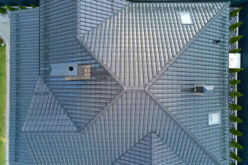
Knowing when it’s time to say goodbye to your aging roof isn’t just about aesthetics; it’s about protecting your home’s structural integrity, avoiding expensive damage down the road, and keeping your family safe.
Catching those telltale warning signs early can be the difference between a planned replacement and a middle-of-the-night emergency with water pouring into your living room.
- post content
- Understanding Roof Lifespan and Material Considerations
- Visible Signs of Roof Deterioration
- Interior Warning Signs and Water Damage
- Energy Efficiency Concerns and Rising Utility Bills
- Storm Damage and Emergency Replacement Scenarios
- Financial Planning and Investment Protection
- conclusion
- view notes:collective tips
- view ideas:latest remodeling analysis
- view post (new win):Preventing Foundation Problems
Understanding Roof Lifespan and Material Considerations
Not all roofing materials age at the same pace, and understanding what you’ve got overhead makes planning so much easier. Asphalt shingles, the workhorse of residential roofing across North America, generally hold up for 20 to 30 years, though quality and local weather patterns play huge roles in that timeline.
If you’ve invested in metal roofing, you’re looking at 40 to 70 years of protection, while tile and slate can soldier on for 50 to 100 years or even longer when properly cared for.
Your local climate matters tremendously here: extreme temperature swings, constant heavy rain, or intense UV exposure can shorten any roof’s lifespan significantly.

Visible Signs of Roof Deterioration
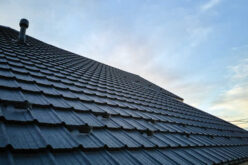
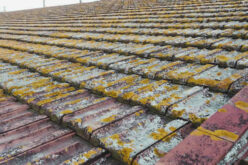
Your roof often broadcasts its distress signals if you know what to look for during routine checks. Shingles that curl at the edges, crack down the middle, or go missing entirely aren’t just cosmetic issues, they’re telling you the protective barrier has broken down.
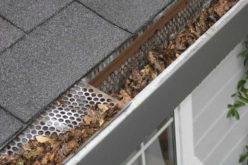
When you spot sandy, granular material collecting in gutters or washing down spouts, that’s your shingles literally losing their protective coating and exposing vulnerable layers underneath.
Sections of roof that sag or dip point to serious structural trouble with the underlying decking or support framework, and these demand immediate professional evaluation.
Interior Warning Signs and Water Damage
Sometimes your roof’s cry for help echoes through your home’s interior rather than showing up on the surface outside. Water stains spreading across ceilings or creeping down walls mean moisture has already breached your roof’s defenses and is infiltrating your living spaces.
Paint that bubbles and peels or wallpaper that loosens near the roofline often traces back to humidity and water problems originating from above. That musty, damp smell wafting through your attic or upstairs rooms? It’s usually trapped moisture creating conditions where mold thrives, a double threat to both your home’s structure and your family’s health.
Make regular trips to your attic to scout for telltale signs: rotted wood timbers, soggy insulation, or visible moisture beading on rafters and decking.
When you’re trying to figure out whether damage is localized or widespread, professionals like Ace Roofing Company can help determine whether multiple trouble spots mean your entire roof needs replacing rather than just patching here and there.
Tackling these interior warnings quickly stops damage from spreading deeper into your home’s structure, protects your possessions from ruin, and keeps your indoor air healthy for everyone breathing it.
view below about steps in roof replacement

Transforming Your Home Exterior: A Comprehensive Guide to Roof Replacement
Roof replacement is not merely a routine maintenance task, but a crucial investment in the longevity and safety of your home. Over time, roofs are exposed to various environmental stressors such as rain, wind, snow, and intense heat, which can lead to significant wear and tear.
Energy Efficiency Concerns and Rising Utility Bills
A roof that’s past its prime can wreak havoc on your home’s energy efficiency, leaving you uncomfortable and staring at bills that keep climbing.
Have you noticed your heating and cooling costs creeping up despite using your systems the same way you always have? Your roof might be letting all that expensive conditioned air escape right through the top of your house.
When deteriorating roofing materials combine with poor attic ventilation, summer heat builds up relentlessly, forcing your AC to run non-stop just to keep things bearable. Winter tells the same story in reverse, heat bleeds out through an inadequate roof, and your furnace never gets a break from trying to compensate.
Storm Damage and Emergency Replacement Scenarios
Mother Nature doesn’t care how old your roof is, severe weather can make replacement necessary in a matter of minutes. Powerful winds can peel back or rip off entire sections of roofing, leaving gaping holes that invite water damage and worse.
Hailstones pummeling your roof create bruising or punctures in shingles that might not look terrible from the ground but have destroyed their ability to keep water out.
Exceptionally heavy snow can pile up until your roof structure simply can’t handle the weight anymore, and in extreme situations, that can lead to catastrophic collapse.
Financial Planning and Investment Protection


Getting a handle on the dollars and cents of roof replacement helps you plan strategically instead of scrambling when crisis hits.
A full roof replacement isn’t pocket change, you’re typically looking at anywhere from several thousand to tens of thousands of dollars depending on your home’s size, the materials you select, and what labor runs in your area.
But here’s the reality check: putting off a necessary replacement almost always costs far more when you factor in interior damage, structural repairs, or premium rates for emergency work.
Many roofing contractors understand the sticker shock and offer financing programs that spread the investment across manageable monthly payments instead of one massive check.
Conclusion
Learning to recognize when your roof needs replacing is crucial for safeguarding your home, protecting your family, and preserving your financial well-being.
By staying aware of your roof’s age, keeping an eye out for visible deterioration, addressing interior warning signs promptly, and responding decisively to storm damage, you’re positioning yourself to make smart decisions about replacement timing.
Waiting until emergencies force your hand leaves you with limited choices, tight deadlines, and potentially compromised quality.
Taking the proactive approach to roof replacement gives you the luxury of selecting ideal materials, scheduling work when weather cooperates, and negotiating favorable terms without desperation driving the conversation.
other related analysis of interest: (new win)
Crawl Space Encapsulation: Why It’s Essential for a Healthier Home
Home EV Charging Stations: Sustainable Living in Your Garage
Find Roofing Services Roofing Gutter Systems Chimney Pest Control top-rated, pre-screened local contractors FREE: download contractor selection enter zip code – powered by HomeAdvisor ™


Image credit: by envato.com
end of post … please share it!
| more photo remodeling |
Jump Over to Our Photo Analysis Center for Ideas on
"Renovating Home"
|__________________________________________________________|
home remodeling surprise
find out where it might go - new win


Helpful article? Leave us a quick comment below.
And please share this article within your social networks.