As a matter of fact, most roof issues do not appear suddenly. They build slowly through years of exposure and use. By studying patterns, you can spot risks early.
This approach saves money and prevents serious damage. It also improves safety for the entire structure.
Decoding Roof Layers: What Each Material Tells You
Every roofing material ages in its own way. Asphalt shingles curl and lose granules over time. Metal panels show rust and seam separation. Clay tiles crack under stress or shift from their position. Each sign reflects a different stage of wear and older roofs need to be replaced.
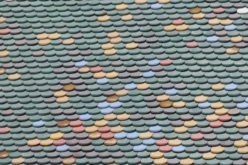
For example, mismatched shingles often show past repairs. These areas may fail sooner than the rest. In addition, layered materials can trap heat and moisture.

This speeds up damage beneath the surface. Understanding these details helps you judge the roof’s condition better.
Reading Weather Scars: Nature Leaves Clues
Weather leaves clear marks across a roof surface. Sunlight fades colors and weakens materials. Strong winds lift edges and loosen fasteners. Heavy rain exposes weak drainage points. These signs help trace long-term exposure patterns.
Likewise, hail creates dents or cracks that weaken protection. These marks may seem minor at first. Still, they often lead to leaks later. By studying these scars, you can estimate how future storms may affect the roof and how to protect it.
Hidden Moisture Traps: The Silent Threat Beneath the Surface
Moisture often hides where you cannot see it. It builds slowly under shingles and inside layers. Over time, this weakens the entire roof structure. Small leaks can spread without clear warning signs.
In many cases, early detection helps prevent major damage.
To prevent premature failure, you must watch for moisture in roofing systems during every inspection. These two factors often work together. Ignoring them leads to faster deterioration and costly repairs.
Trapped moisture causes wood rot and mold growth. It also reduces insulation performance. These effects create long-term problems that worsen over time. Even a small amount of moisture can spread across large areas.
Structural Signals: Subtle Signs of Deeper Problems
Some roof issues start beneath the surface. A slight sag may signal weakened supports. Uneven lines often point to shifting structures. These signs may seem small but carry serious meaning.
On the other hand, surface damage can hide deeper trouble. A clean exterior does not guarantee strength underneath. Moisture may weaken wood decking over time. Paying attention to shape and alignment reveals these hidden risks early.
Human Interventions: Repairs That Tell Stories
Every repair leaves a trace behind. Sealant patches, new shingles, and added layers all show past fixes. These areas often age differently than the original roof. They can become weak points under stress.
In addition, repeated repairs in the same spot reveal ongoing problems.
This pattern suggests a deeper issue that was never fixed and might signal that you need to replace the whole roof. Tracking these repairs helps predict where future failures may appear. It also shows how well past work held up.
more info below

Transforming Your Home Exterior: A Comprehensive Guide to Roof Replacement
Roof replacement is not merely a routine maintenance task, but a crucial investment in the longevity and safety of your home.
Drainage Patterns: Following the Flow of Water
Water flow shapes roof performance over time. Gutters, valleys, and slopes guide water away from the surface. Poor drainage causes pooling and slow damage. These patterns often leave visible marks.
Of course, standing water weakens materials quickly.
It also increases the chance of leaks. Blocked gutters push water under roofing layers. Studying these paths helps you find areas at risk. It also shows where improvements are needed.
Biological Growth: Moss, Algae, and What They Mean
Organic growth often signals moisture problems. Moss holds water against the surface for long periods. Algae create dark streaks that absorb heat. These effects speed up material breakdown.
Even so, growth patterns can reveal deeper issues. Shaded areas often show more buildup. This suggests poor drying conditions. Repeated growth in the same spots points to ongoing moisture exposure. Addressing the cause prevents further damage.
Ventilation Clues: Reading Airflow History
Airflow plays a key role in roof health. Poor ventilation traps heat and moisture inside. This leads to warped shingles and condensation.
These signs often appear slowly but worsen over time.
By comparison, good ventilation keeps materials stable. It reduces stress from temperature changes. Checking attic airflow helps explain surface damage. It also helps prevent future problems by improving conditions inside the roof system.
Timeline Mapping: Creating a Roof History
A roof becomes easier to understand when you build a timeline. Each repair, stain, and crack marks a moment in its history. By connecting these signs, patterns begin to appear. These patterns reveal how damage develops over time.
To put it differently, reading a roof like a historian means linking past events to future risks. A roof that needed frequent repairs may fail again soon. This method helps you act early and avoid costly surprises.
Tools and Techniques Professionals Use
Professionals rely on both simple and advanced tools. Visual inspections remain the first step. Moisture meters detect hidden water beneath surfaces. Infrared cameras reveal temperature changes that signal problems.
Additionally, detailed records improve accuracy. Photos taken over time show how damage progresses. Comparing images helps confirm patterns. These tools support better decisions and reduce guesswork during inspections.
Upgrade Your Roof With Solar
If you’re planning a roof replacement, it’s the perfect time to consider adding a solar energy system.
Combining these projects streamlines installation and offers long-term benefits like lower energy bills and a higher home value.
Modern solar systems blend seamlessly with various roofing styles, preserving your home’s aesthetic while boosting its energy efficiency.
view ideas: install solar energy system (new win)

Turning Insights Into Action
Understanding roof history means little without action. Repairs should focus on the most vulnerable areas first. Preventive steps can extend the roof’s lifespan. Regular inspections help catch new issues early.
As a result, informed choices reduce long-term costs. Fixing small problems early prevents major failures. Planning maintenance based on patterns improves reliability. This approach keeps the roof strong for years.
Summary: Reading a Roof Like a Historian
Roofs reveal valuable information through their condition and changes. Learning reading a roof like a historian helps you interpret these signals clearly. Each mark and repair adds to the story of wear and stress.
Ultimately, understanding this story allows better decisions. It helps prevent future failures and protects your investment. A careful review of the past leads to a safer and longer-lasting roof.
other related analysis of interest: (new win)
Unlocking Comfort: Your Guide to Knobs, Levers, and Smart Locks
Redefining Your Home’s Exterior: 3 Styles For A Stunning Remodel or Home Build
Find Roofing Services Roofing Gutter Systems Chimney Pest Control top-rated, pre-screened local contractors FREE: download contractor selection enter zip code – powered by HomeAdvisor ™


Image credit: reading a roof by envato.com
end of post … please share it!
| more photo remodeling |
Jump Over to Our Photo Analysis Center for Ideas on
"Renovating Home"
|__________________________________________________________|
home remodeling surprise
find out where it might go - new win


Helpful article? Leave us a quick comment below.
And please share this article within your social networks.