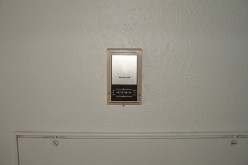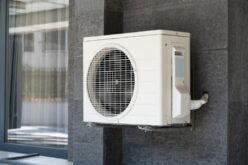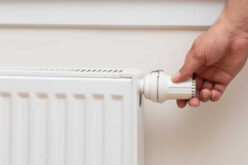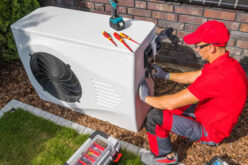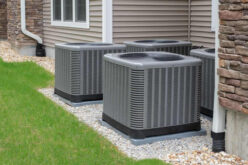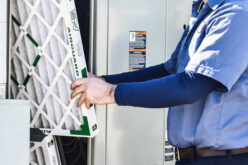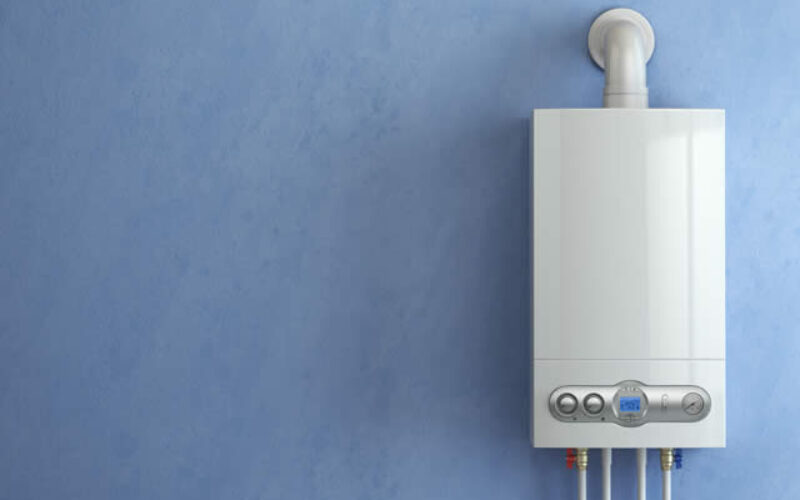
Thankfully, it’s not impossible to stay warm even during the coldest months; modern furnaces are a great example of primary heating devices that keep homes cozy instead of making them feel like ice palaces.
Choosing the right furnace for your home may be tricky with many available options.
1. Research Your Options
First and foremost, you must decide on the type of furnace you want to install in your home. While there are many options, the common ones include:
-
Gas furnaces:
Ideal for homes with central heating systems. These units are connected to the existing ductwork, which means they can distribute heat throughout the house.
-
Oil furnaces:
Also known as hydronic furnaces. These models use a combination of both electricity and natural gas to work.
Oil furnaces are connected to a boiler system, which heats the water inside the unit to make steam. This steam transfers the heat through the ductwork to reach other rooms in the house.
-
Electric furnaces:
Ideal for smaller spaces, such as a garage or a room in the house that doesn’t require heating.
-
Hydronic warm air furnaces:
These are a hybrid of electric and hydronic furnaces. They use electricity to power their fans, while the heat is transferred via hot water.
Make sure to take location into account. If you live in Canada search for the best furnace in Canada so that you get a furnace that will keep up with those cold chilly winters.

2. What’s The Right BTU for Your Home?
One of the main factors you’ll have to consider when choosing a furnace is the BTU, also known as the British Thermal Unit. This term refers to the heat required to raise the temperature of one pound of water by one degree Fahrenheit.
So, for example, if a furnace with a BTU of 11,000 is used in a 1,000-square-foot room, it would take approximately 11 hours to heat the entire space to 68 degrees Fahrenheit.
The main factor you’ll have to keep in mind here is the size of your home. If you live in a 1,000-square-foot home, you’ll need a furnace with 11,000 BTU to heat the entire place.
However, if you live in a 2,000-square-foot home, you’ll need a furnace with a BTU of at least 16,000 to warm your entire home.
Reading their product descriptions, you can find the BTU rating of different furnaces.
3. Consider Fuel Type and Efficiency
Another thing to keep in mind when choosing a furnace is the fuel type it uses. Gas furnaces are the most commonly used type, as they are very efficient, reliable, and easy to maintain. These models are connected to a natural gas line, meaning they automatically receive a steady stream of gas whenever needed.
Oil furnaces use the same system but use different fuels to generate heat. Electric furnaces are generally smaller, cheaper, and more portable than other types of furnaces.
Compared to other models, warm air furnaces are a bit more complex, as they require electricity and water.
4. Don’t Forget About Warranties
Before investing in a new furnace, you’ll want to know how long it will last. While every manufacturer has recommendations, the Environmental Protection Agency has also set some minimum guidelines.







Ideas for Home Utility
Collection of Home Utility and Home Management Ideas addressing home automation, home security and safety, green energy, storage, HVAC, and laundry/mudroom needs. So let’s collect ideas on how to manage your home needs.
However, no matter what type of furnace you’re looking at, you’ll want to check its warranty. This will give you an idea of how long the manufacturer expects the furnace to last.
One important thing to remember is that some warranties come with non-prorated coverage. If your furnace breaks down before the warranty expires, you’ll need to pay the entire repair cost yourself.
5. Check for Emission Ratings
Another important thing to consider when buying a furnace is its emission rating. This measures the amount of carbon monoxide, harmful gases, and other contaminants released by your furnace.
In most states, furnaces require fewer than 0.1 parts per million emission rating. You can find this information in the product description of most furnaces available on the market.
Keep in mind that most states have stricter emission requirements.
other related articles of interest:
Should You Repair Your Furnace or Get a New One?
The Biggest Problem With Furnace Cleaning and How You Can Fix it!
Conclusion
Choosing the right furnace for your home can often be daunting. Keep in mind that while some models may seem more attractive, it’s important to ensure they fit your budget and your home’s heating needs.
With the right furnace, you can rest assured knowing that you and your family will stay warm even during the coldest days of winter.
Find Home Heating Services Central Heating Radiant Heat Fireplaces Thermostats top-rated, pre-screened local contractors FREE: download contractor selection enter zip code – powered by HomeAdvisor ™


Image credit: tips for picking the right furnace by envato.com
end of post … please share it!
|__________________________________________________________|
home remodeling surprise
find out where it might go - new win


Helpful article? Leave us a quick comment below.
And please share this article within your social networks.