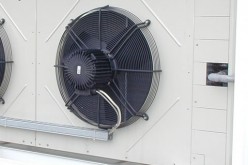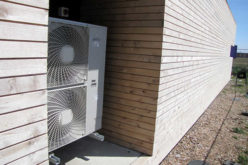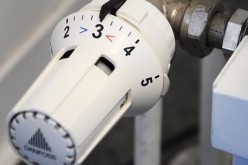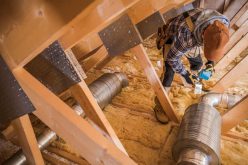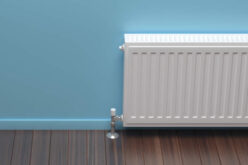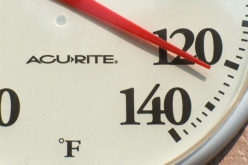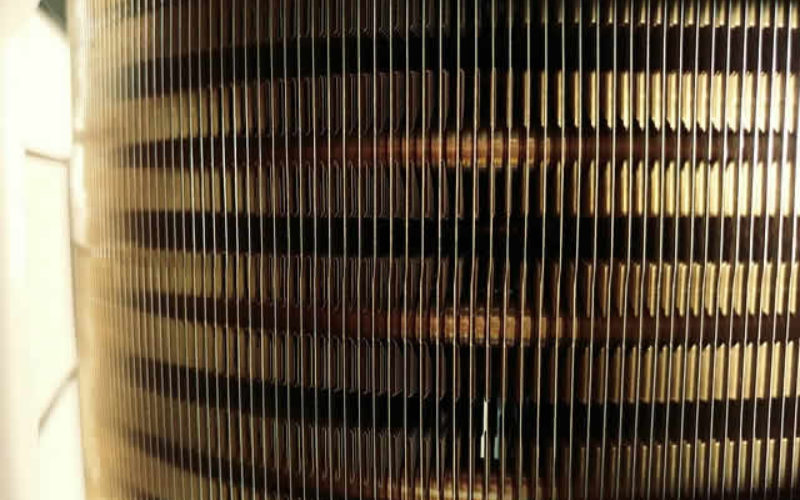
Hydronic unit heaters require a boiler in which water is heated. Water is circulated through pipes to a coil in the heater. A fan blows air across the coil delivering heat to space in the enclosed area.
Other types of unit heaters feature a gas or oil burner, or an electrical core. Unlike the hydronic unit heater, these heaters are built as a single unit. Requiring either an oil or gas line to feed it, these unit heaters also feature a flue pipe to remove the gases formed due to burning oil or gas.
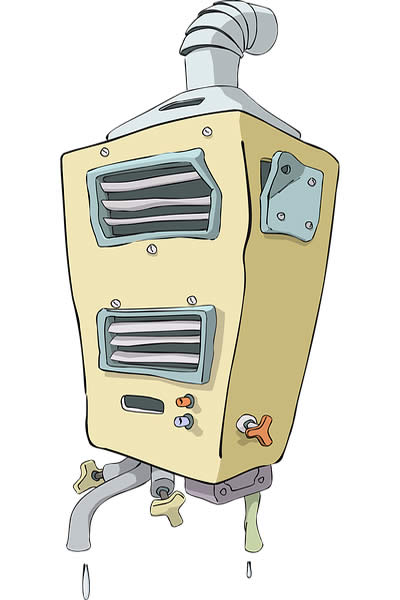
While electric unit heaters require a larger electric connection to operate as they use a heater core and fan, all unit heaters require an electrical connection to operate the fan/blower.
As compared to an entire heating system, unit heaters are smaller and easier to install in the basement or garage. Available in different sizes to cater to both small and large spaces, one big advantage of unit heaters is that they do not require ducting for operations.
What are Unit Heaters?
A stand-alone appliance that uses water, steam, oil, propane or natural gas as a source to provide heat to a given space, unit heaters have become very popular in both commercial and residential spaces.
Unit heaters feature either a blade or a squirrel cage fan that blows air across the heat exchanger into the room that requires heating. However, squirrel cage fans blow more air and for longer distances than blade fans.
There are two basic types of unit heaters – standard and condensing.
-
Standard Efficiency Unit Heaters
These unit heaters are not modulated and operate at a fixed temperature. Thus, once the desired and set temperature is achieved, the unit stops running.
-
Condensing Unit Heaters
These unit heaters are better in terms of energy efficiency. The energy contained in the steam of combustion gases can be recovered in these units and power delivered is modulated.
Advantages of Unit Heaters
Although unit heaters can be noisier than other systems during operation, the advantages of installing one are many; a few of which are listed below.
- Installation is simple and easy
- The unit is decentralized
- Available in a power range from 25,000 Btu/hr to 400,000 Btu/hr
- Does not require ducting or a heat distribution network
- Can be installed quickly for heating large spaces
- Controlling the output is simple
- Maintenance is easy
Find Home Heating Services Central Heating Radiant Heat Fireplaces Thermostats top-rated, pre-screened local contractors FREE: download contractor selection enter zip code – powered by HomeAdvisor ™

Ask the Experts
While the unit heaters are simple and easy to install, it is always advisable to speak to the experts and find out the optimum unit heater for your requirements.
other valuable tips:
Too Hot? Too Cold? How to Keep Your Home Temperature Just Right
Image credit: efficient unit heaters by Pixabay
end of post … please share it!
PHOTOS: addressing our home utility ideas

|__________________________________________________________|
home remodeling surprise
find out where it might go - new win


Helpful article? Leave us a quick comment below.
And please share this article within your social networks.