In short, there are so many things that could go wrong if you don’t keep regular maintenance of your plumbing installations. So let’s review these helpful tips to avoid a plumbing disaster.
1. Take Care of the Sink
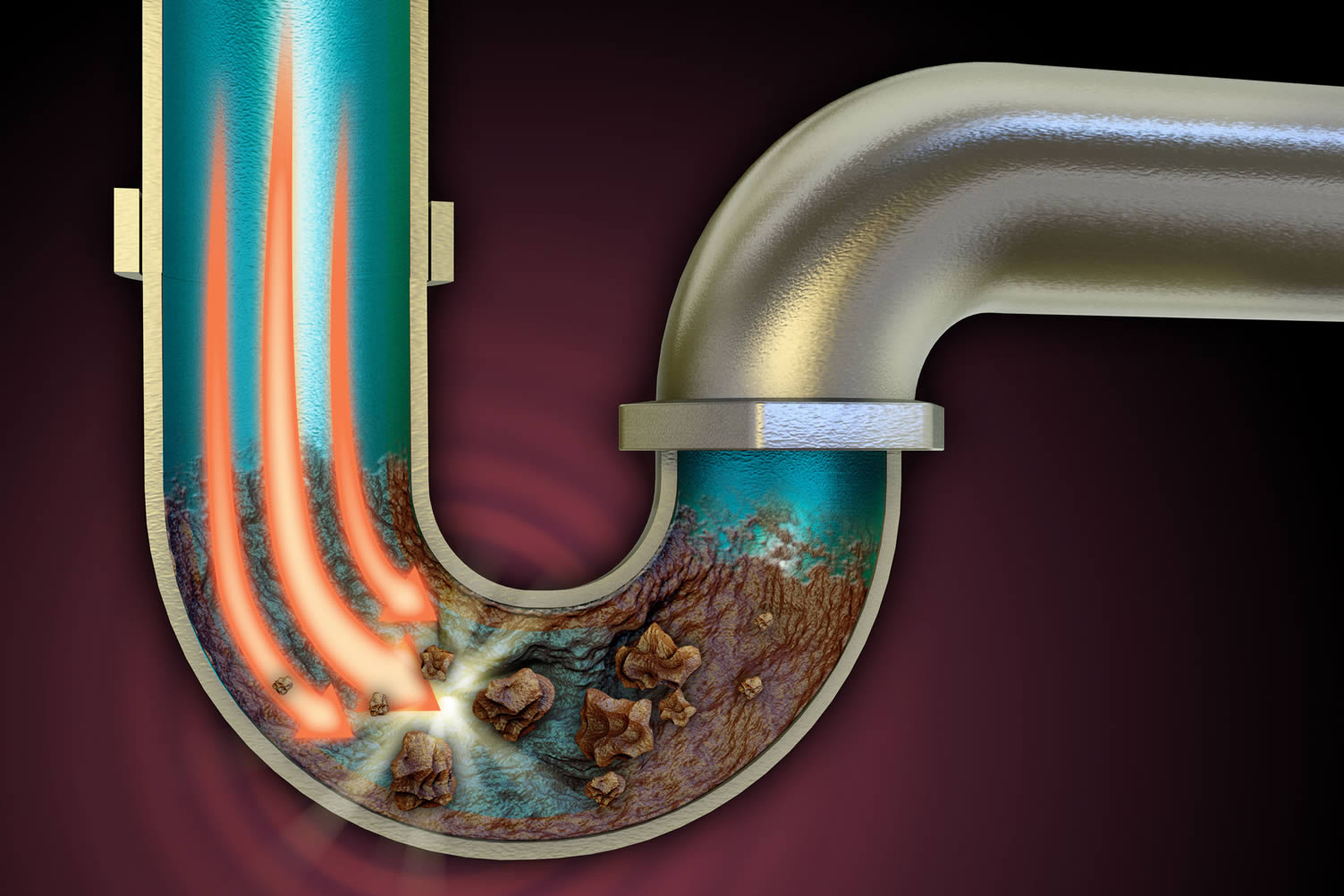
Sinks and drains can’t simply take in everything that you throw away. For example, cooking grease will create horrible clogs and block pipes, leading to a huge bill.
It’s better to pour the grease into a plastic container, put it in the fridge and let it harden. Next day, you can dispose of it as solid waste.
2. Keep the Heat On
When it starts getting colder in the fall, always keep the heat running even if you’re not at home. The heat will protect the pipes, especially those under the sink, and prevent them from bursting at some point when you turn on the water. It’s better to pay more for the heating bill than to pay for fixing burst pipes.
You should also open the doors or panels to the areas where the pipes are when the temperature drops. The heat coming from your home will prevent the water in the pipes from freezing.
You can also leave one tap running cold water (just one drip every few seconds), and it should be the tap which is the furthest from the incoming line. That motion will also prevent freezing.
3. Avoid Drop-In Cleaners
It’s not pleasant to clean the toilet by hand but dropping cleaners in the tank or the bowl isn’t a smart choice for the long run. If you do it too often, the cleaner chemicals will damage the pipes. The majority of manufacturers recommend avoiding them, and some of them even void warranty for the toilet if you have been using drop-in cleaners.
4. Use Drain Strainers
You can use them in the kitchen and bathroom sink and in the shower. Usually, it’s the human hair causing clogs, so a drain strainer will come in handy. When you wash the dishes, some of the food debris stay in the pipe and a clog will eventually form. Get adequate drain strainers for the bathroom and the kitchen and you will successfully prevent clogs.
drain strainersplumbing declogger
5. Do a Monthly Drain Cleaning
Every month, shake one cup of baking soda into the drains and then pour 2 cups of white vinegar. Leave it for a couple of hours or even overnight, and then rinse with hot water. Your shower and sinks should drain faster after that. This alternative is better than chemicals, which can be damaging to the pipes and the environment.
6. Know How to Prevent Flood
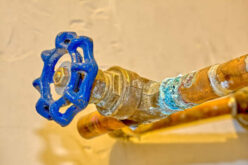
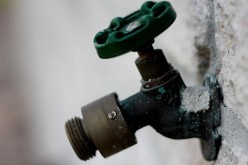
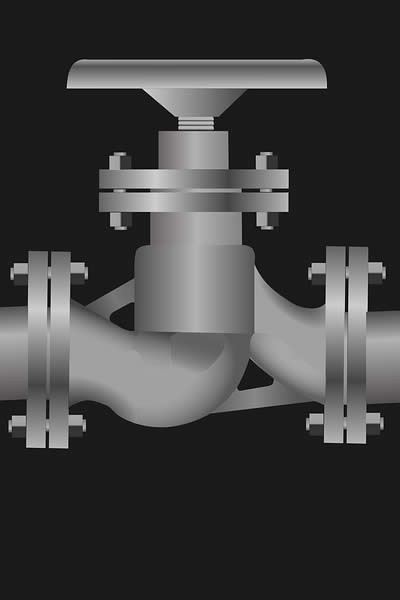
Everyone in your home has to know where the main water shutoff valve is. That way, they will be able to minimize the damage in case of an emergency and prevent further problems. You need to label the valve so it’s easily noticeable, as well as reachable. In case you’re away for a longer period of time, shut off the water supply, too.
Bear in mind that the rubber washers on a gate valve can become worn out over time, so they may not work when you need them. Test it when you have the opportunity – if there’s water around the handle, it should be replaced. If you feel you need emergency plumbing, it’s sometimes better to call professionals than risking causing even bigger damage. You just take care of the main valve.

plumbing leak sealerplumbing repair kit
7. Check Hoses
The rubber washing machine hoses may wear off or crack after some time. If you notice a bulge, you should immediately replace the hose. Check the hoses every six months because leaks will increase your bill and negatively affect your appliance’s performance.
8. Mind the Water Heater
A big mistake that you could make is turning on your water heater when it’s not completely full. Let’s say you turned off the water heater before you went on a holiday. When you’re back, you turn it on before it has filled with water. Even in cases when you install a new heater, you need to make sure that it’s completely full before you turn it on. Otherwise, you could easily destroy the heater.
other valuable tips:
Protect the Quality of Your Plumbing System
When to Fix Your Own Plumbing Problems, and When You Need a Hero!
9. Flushing Rules
Remember – only toilet paper and bodily waste are allowed to be flushed in the toilet. Any type of solid waste, paper towels, feminine hygiene products or diapers should be disposed of in the bin. They will definitely clog the drains at some point. So, place a garbage bin in every bathroom so that you’re not tempted to simply flush solid waste flush the toilet.
Final Comment
Preventive measures are a far more effective way of making sure your plumbing will last a long time. If you want to avoid a plumbing disaster, the safest technique is to keep regular maintenance and use these helpful tricks. It’s the option that will save money the most and it’s also the one that will cause you the fewest headaches.
Image credit: Pixabay
end of post … please share it!
| google+ |
REMODELING STEPS: budgeting home improvement

|__________________________________________________________|
home remodeling surprise
find out where it might go - new win


Helpful article? Leave us a quick comment below.
And please share this article within your social networks.