Pipes are used for plumbing, the transportation of gases, and other key features. As such, the importance of detecting pipe corrosion can’t be understated.
Why Corrosion Occurs
Despite its alarming appearance, corrosion is a perfectly natural occurrence. It’s the result of time plus oxidation. Metals react to the atoms in the air and change over time. In the case of waterlines, unsoftened water dissolves metal gradually, causing corrosion despite the lack of oxygen within the pipes.
Furthermore, hard waters often result in scaling—which, if left alone, causes issues similar to corrosion. Rather than scarring and eating away at the metal, scale covers every section of a water pipe.
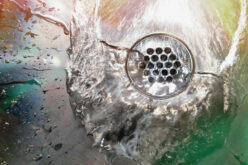
If left unchecked, it will build up into a thick crust which can and will entirely block pipes. Most often, there are grates and exit points on plumbing, such as faucets.
Methods for Identifying Corrosion
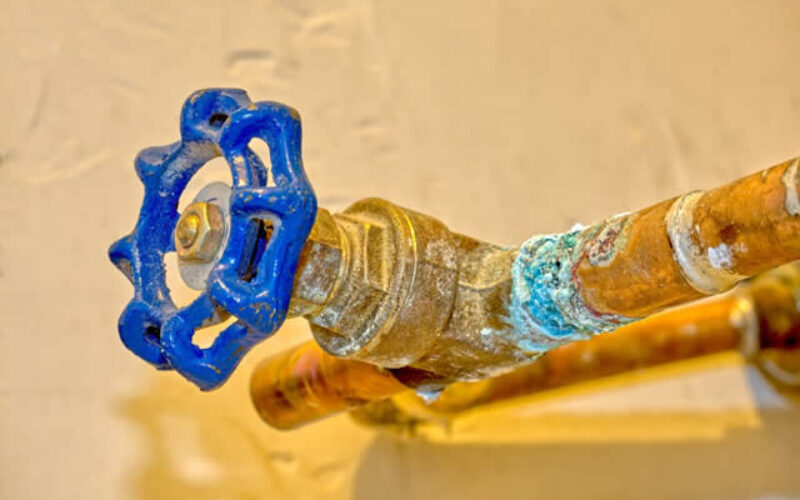
The best way to quickly identify the condition of the various pipes in a building is to inspect them. Severe corrosion will quickly reveal itself on the outside of the pipe at a glance.
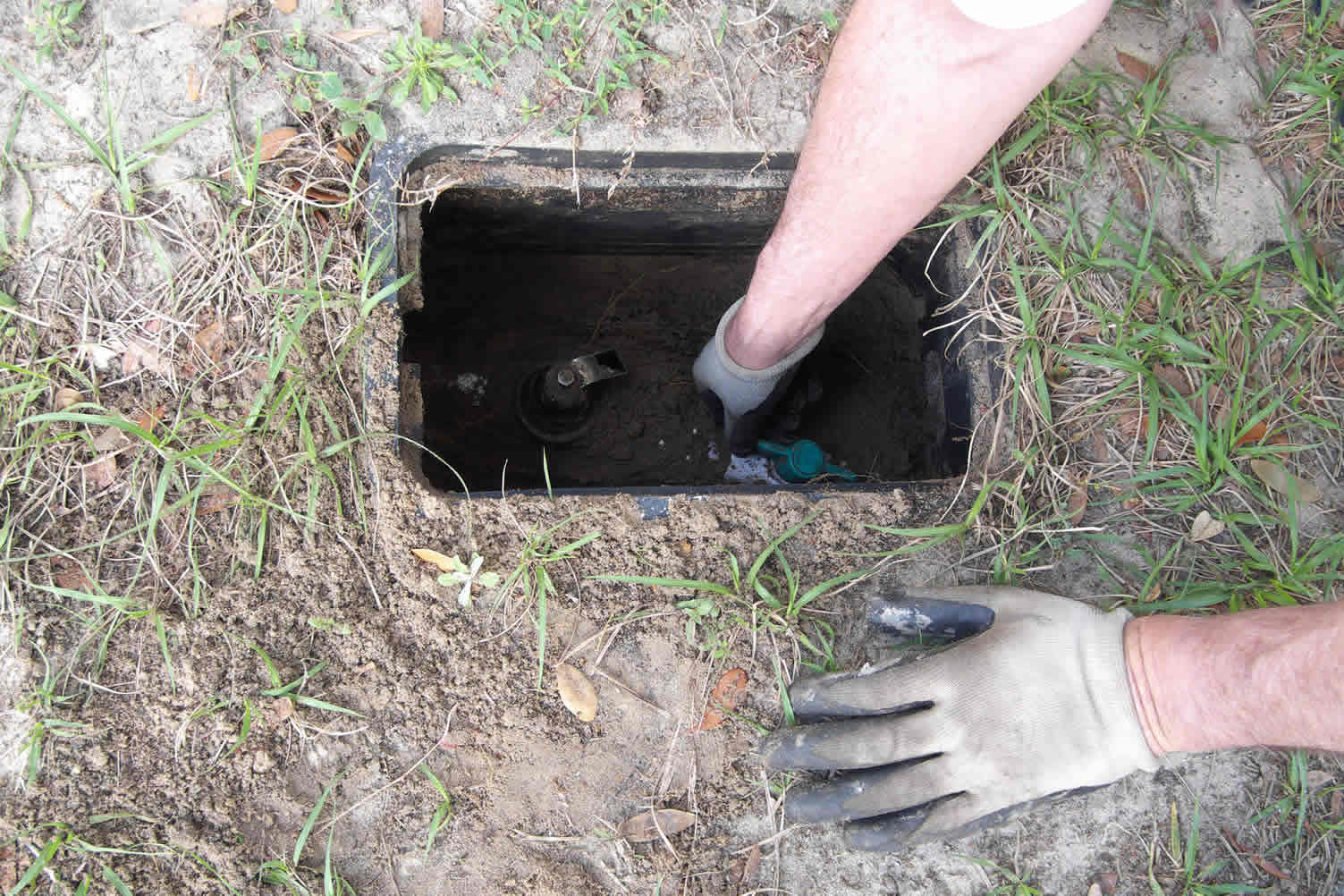
turning water keyplumbing gloves
some plumbing tools to consider
Look for any leaks and especially check joins for corrosion and scale. Every one to two years, it’s best to inspect the pipes thoroughly. When you’re inspecting water lines, you can use a type of sewer line inspection camera.
The importance of detecting pipe corrosion goes hand-in-hand with routine maintenance. Any time work is being done on a line is a great opportunity to double-check the health of your lines. Inspect for internal corrosion and sufficient scale to pose an issue.
For larger structures, more advanced technology will make short work of inspections. A real-time X-ray will one of the most convenient ways to actively scan for damaged areas and is commonly used in factories and plants.
The Dangers of Unchecked Corrosion
The biggest danger of leaving corrosion unchecked is the possibility of leaks. Given enough time, corrosion will eat away enough of the metal of a pipe to produce holes. Once corrosion breaks through the pipe, messy and sometimes dangerous leaks of materials occur.

plumbing knee padsplumbing supplies
some plumbing layouts to consider
How long a pipe will last depends on the nature of the line and the type of materials used. Metals are generally intended to hold up for anywhere between ten and fifty years. In other words, when any structure is besides a newly constructed one, you’ll encounter the hazards of rapidly aging lines.
As such, it’s well worth keeping tabs on piping and plumbing. The cost of replacing a few sections of piping is naturally much lower than the cost of repairing water-damaged floors and removing black mold and rotten drywall.
The presence of one of these problems will break any remaining air-tight seal the pipe had, allowing more air inside to make the destruction happen faster.
May We Suggest Other Key Topics About
"Plumbing Issues"?
 |
Do Your Sewer Lines Need Repairs? How to Check |
|
5 Warning Signs That Your Septic Tank Is Failing |
|
Signs That Your Home Has Hard Water and How You Can Get Rid of It |
| more topics |
How About Some Tips to Address
"Plumbing Needs"?
| photo remodeling ideas |
Jump Over to Our Photo Analysis for Ideas About
"Managing Home Projects and Needs"
Image Credit: the importance of detecting pipe corrosion by twenty20.com
end of post … please share it!
|__________________________________________________________|
home remodeling surprise
find out where it might go - new win


Helpful article? Leave us a quick comment below.
And please share this article within your social networks.