



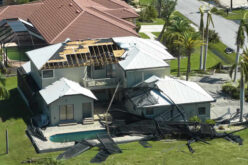
These are also prime times for tornadoes to ravage a city and for hurricanes to blanket an entire state in strong winds and flooding rains. If your home has been damaged in a storm, here are the first four areas you should focus on repairing.

Dry Flooded Areas
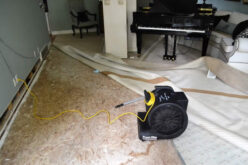
Flooding is a major concern with all types of rain storms especially if you have a basement. Use your sump pump to remove large amounts of water from your basement or the lower level of your home.
For larger amounts of water, you may also consider using a pool pump. For small amounts of water, consider using a wet vac or even a mop. Dry out the area with a dehumidifier and fans.
Get Rid of Mold
Drying out flooded areas quickly can reduce the risk of mold or mildew growth in your home. However, major flooding can lead to mold growth in carpets, carpet backings, drywall, furniture, and more.
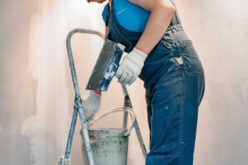
Check with a professional storm remediation company for help in removing these dangerous organisms or with a contractor for rebuilding damaged areas of your home.
Check for Roof, Siding and Window Damage
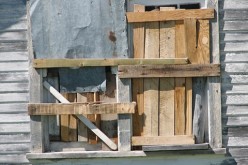
Strong storms can rip off or dent shingles and siding, break windows and lead to leaks throughout your home. Evaluate your home closely after any storm. Walk around your home checking for missing or ruined areas. Cover up leaking areas or broken windows with tarp until a contractor can repair the damage. Contact a roof company for a complete evaluation and shingle repair. By repairing these areas quickly, you can limit future water or wind damage.
other valuable resources:
Dealing With Storm Damage: A Handy Guide for Homeowners
Hope Floats in Rising Waters: Flood Survival Strategies for Homeowners
Clean up the Yard
While your house should be your priority, your yard may also have some storm damage. Check for downed tree limbs that could be keeping you from getting in or out of your home or driveway. You will also want to clean up any other sharp or harmful items from your yard to prevent injuries.
You must always take specific measures to stay safe while cleaning up storm damage around your house and yard. Be wary of standing water, watch out for broken glass and other sharp objects and keep your nose perked up for gas leaks. In addition, be sure to work with your homeowner’s insurance agent to determine what is covered under your policy. By cleaning up and repairing storm damage quickly, you can feel comfortable and secure in your home once again.
Image Credit: Pixabay
nice post? … share it!
| google+ |
GUIDE: spec planning in home improvement
No products found.
|__________________________________________________________|
home remodeling surprise
find out where it might go - new win


Helpful article? Leave us a quick comment below.
And please share this article within your social networks.




FREE: home improvement guide