Part II
There are basis guidelines to follow to guarantee you a stunning yard in no time. Follow these six simple lawn tips to help your lawn get in its best shape ever.
Do a Thorough Lawn Inspection
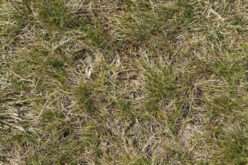
In order to improve your lawn’s overall appearance, you must be truly familiar with its current situation. Early spring, walk through your lawn and inspect it closely. Look for any growing invasive weed populations like dandelions, crabgrass and chickweed. Notice if any diseased areas popped up over the winter.
Target Specific Weeds
Did you know that specific weeds respond better to treatment at different times of the year? Some invasive weeds that benefit from early spring treatment are crabgrass, chickweed and buttercup. If you can treat these weeds with a herbicide before they have a chance to develop their roots, you can sit back and enjoy your weed-free lawn come summer.
Soil Testing and Early Fertilization
Testing your soil pays off in the long term. Your lawn’s pH balance may be unbalanced and it will need specific nutrients like sulfur or limestone added to look its best. There are many different kinds of fertilizer on the market today. Use a slow-release fertilizer in the early season to give your lawn a healthy start and the initial nutrients it needs.
First Cuts of the Season
The first time you cut your grass in the spring, ensure that your grass has been allowed to grow. Letting it grow out will give your grass a much-needed boost and help to strengthen the roots. Your first grass cutting length should be longer than normal in order to increase the grass’s stamina. Over the next few weeks shorten the grass cutting length until you reach your desired height.
Aerate and Thatch
Aerating helps increase your lawn’s thickness by allowing more nutrients to get to the roots. Thatching removes dead grass and allows new healthy grass to grow in its place. The experts from Fraser Valley Equipment Ltd. say spring is the best time to perform these tasks as the wet ground loosens up more easily than during drier seasons.
Stop Critter Damage
Look for raised tunnels or overturned dirt in your inspection. You might be playing host to moles or gophers. Other critter inhabitants that can damage lawns include rabbits, chipmunks and mice. Most people don’t have to worry about these little lawn pests, but if you notice any mounds of dirt it is good to be aware of the cause and be prepared to take the necessary measures right away.
Your lawn is an important part of your overall landscape design. It brings life and nature to the feel of your home and you have the option of molding and shaping it into whatever look you want to portray. Start now and create a healthy lawn that will flourish during the hot summer months.
| google+ |
|__________________________________________________________|
home remodeling surprise
find out where it might go - new win


Helpful article? Leave us a quick comment below.
And please share this article within your social networks.