


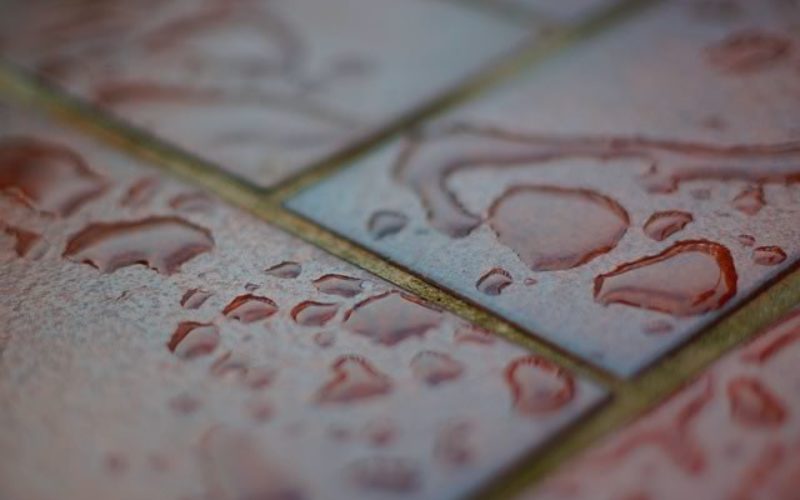
To avoid these problems, you can apply a waterproofing agent like Kilz to your walls and floors to block out moisture. Here are a few tips below about the process and how to keep moisture out.
Identify Leaks and Repair Cracks
Finding any existing water damage and problems are necessary beginnings in resolving moisture problems in the home.
If that means going outside to waterproof exterior walls to fix the problem, then it is a vital step before adding the Kilz or another sealer to interior walls and floors. You can use epoxy to fix cracks in the exterior and interior of the home.
Clean the Surface
Before you seal, you will want to take a wire brush or shop broom to your walls and floors to make sure that any and all dust and loose debris are gone.
When choosing a cleaner, opt for vinegar or acidic products. This step will ensure that the walls are not greasy when you get done. You want the walls to be squeaky clean when applying the sealer. Dish soap and detergent cleaners are likely to leave an oily residue without several rinses. So to save time and hassle, use an appropriate cleaner.
Apply the Waterproofing Agent Liberally
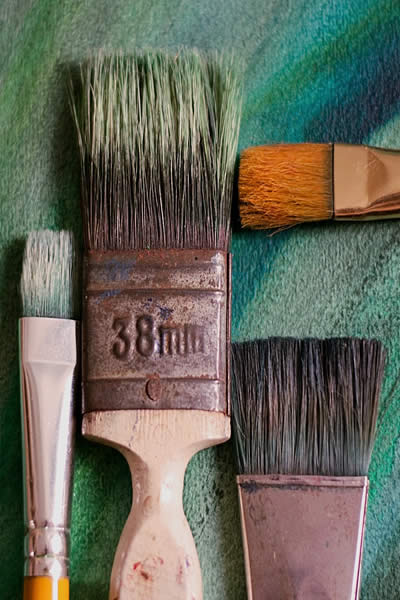
When you put the sealant on the walls, go in smooth, even strokes and cover small areas at a time until you get all the way around the room. Most waterproofing agents work best when you add at least two coats to your walls. This tip is especially true in regards to lower floors, like basements. Be sure that the roller or brush is fully covered with sealer when you apply each coat. Give each coat enough time to thoroughly dry.
Add PVC to the End of Your Downspout
| Find Walls & Ceiling Services (opens new win) | |||
 |
Drywall Installation | |
Ceilings |
|
Painting & Texturing | |
Tile |
| top-rated, pre-screened local contractors | |||
|
Wallcoverings | |
Ceilings – Fans |
|
Walls – Exterior | |
Walls – Interior |
 |
FREE: download contractor selection | ||
| enter zip code – powered by HomeAdvisor ™ | |||
Using a piece of PVC pipe that you can purchase from the local hardware store is an excellent idea for directing water away from your home when it rains.
All you need is a long piece of plastic and some zip ties to attach it to the downspout.
Direct the water to a hole that you fill loosely with gravel to you’re your overflow a place to go instead of sitting against your foundation.
By fixing any issues before you waterproof, you reduce the chances of future moisture problems. You will get a better application if you clean the walls first.
Remember the PVC pipes on your downspouts. These little pieces of plastic can save you thousands in foundation repairs.
Image Credit: Pixabay
nice post? … share it!
| google+ |
TOPICS: interior home molds and mildew
No products found.
|__________________________________________________________|
home remodeling surprise
find out where it might go - new win


Helpful article? Leave us a quick comment below.
And please share this article within your social networks.









FREE: home improvement guide