

Summary Outline –
Home renovation projects are exciting endeavors that offer the promise of transforming your living area into a haven that’s not only more functional but also more visually appealing. However, amidst the excitement of choosing new color schemes and fixtures, it’s crucial not to overlook one of the most critical steps in the remodeling process: the inspection.
For homeowners and DIY enthusiasts alike, understanding the importance of a thorough home remodeling inspection can be the difference between a dream renovation and a problematic one.
In the following sections, we will explore the necessity of inspections, the various types required, and the process for obtaining an inspection.
- post content … analysis/ home remodeling inspections
- 1st: Importance of Home Remodeling Inspections
- 2nd: Understanding Building Permits And Codes
- 3rd: Type of Inspections:
- 4th: Inspecting the Structural Integrity
- 5th: Electrical System Inspection
- 6th: Plumbing System Inspection
- 7th: HVAC System Inspection
- 8th: Appliance Installation Inspection
- 9th: Green Energy Solutions Inspection
- 10th: Landscape Inspection
- 11th: Conducting an inspection
- conclusion
- other home structural topics

-
- —— begin first topic ——
-
1st TERM: Importance of Home Remodeling Inspections
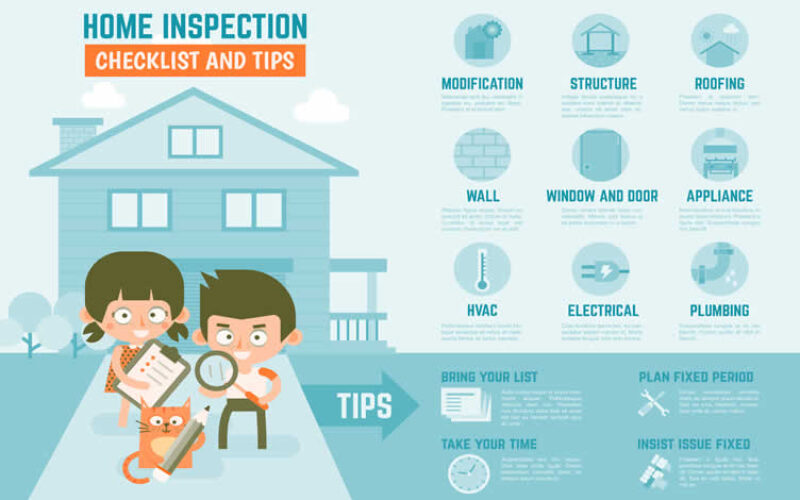
A home remodeling inspection is not merely a formality; it’s a vital checkpoint that ensures the safety, functionality, and durability of your investment. It serves as a quality assurance measure that the work completed meets your specifications, building codes, and industry standards.
Skipping this step can lead to costly repairs down the line and potentially dangerous situations if structural, electrical, or plumbing issues are overlooked.
Moreover, in certain jurisdictions, an inspection might be necessary based on the type of remodeling undertaken. These inspectors verify that the work meets the objectives outlined in the remodeling permit that sanctioned the project. Additionally, they examine various aspects of the project to ensure compliance with building codes.
If the remodeling fails inspection, the homeowner may be required to correct any deficiencies or make changes before a final inspection can be conducted. These extra steps, while time-consuming and potentially expensive, ultimately ensure that your project is completed correctly and safely.
Although some projects, particularly minor ones undertaken by skilled technicians or contractors, may not necessitate an inspection, ensuring the project complies with codes and maintains its integrity is crucial. Therefore, you might consider having it inspected before finalizing payment to the contractor.
This approach guarantees that the task has been executed properly and will endure over time.

copyright image by 123rf.com
-
2nd TERM: Understanding Building Permits And Codes
Before launching any remodeling project or significant home improvement, securing the appropriate building permits is a step that cannot be skipped.
Building permits are official approvals issued by local government agencies that grant permission to proceed with a construction or remodeling project on your property. These permits play a crucial role in ensuring that the planned renovations comply with local building codes, zoning laws, and safety standards.
Building codes, in essence, are sets of regulations that determine the standards for construction, electrical wiring, plumbing, and more, aiming to protect public health, safety, and general welfare as they relate to the construction and occupancy of buildings and structures.
-
Obtaining the Permit
The process of obtaining a building permit typically involves submitting detailed plans of the proposed project for review by local authorities. This ensures that the project plans to adhere to all building codes and zoning regulations.
Typically, this submission task is carried out by the contractor or by the homeowner when it turns into a do-it-yourself project. Not only does this step safeguard the homeowner by ensuring that the structural integrity of the home is not compromised, but it also facilitates the legal undertaking of the project by aligning with the municipal requirements.
Additionally, should you plan to sell your property in the future, having a record of permits can significantly enhance the resale value, demonstrating to potential buyers that the renovations were completed correctly and legally.
-
Building Code Inspection
Once the project is underway, inspectors may need to visit the site at various stages of construction to verify that the work complies with the building permit specifications and local building codes.
It is not uncommon for an inspection to be required upon project completion as well, serving as a final verification that the remodel meets all necessary codes and standards.
This final step is pivotal for the homeowner, as passing the final inspection signifies that the project adheres to the safety and regulatory standards set forth by the local government, marking the project’s completion and allowing for peace of mind in the quality and legality of the renovation work.
AI generated image by 123rf.com
[ view diagram: master building codes ]
[ youtube: how to pull a building permit ]

-
-
3rd TERM: Type Of Home Remodeling Inspections
Depending on the specific nature and scope of the renovation project at your home, a variety of inspections may be necessary. These can range from structural assessments to ensure the integrity of the building, to electrical and plumbing inspections that verify the safety and functionality of your home’s systems.
Each type of inspection is crucial for not only adhering to local building codes but also for guaranteeing the long-term success and safety of your renovation efforts. For example:
- Home Addition:
For a home addition or extension project, a structural inspection is essential to ensure that the new construction will safely integrate with the existing structure and adhere to local building standards. - Attic Conversion:
For an attic conversion into a livable space, a combination of electrical, insulation, and egress inspections is often required to ensure that the new living area meets safety and building standards, including proper ventilation, fire exits, and adequate lighting installations. - Kitchen Remodel:
Kitchen remodeling projects typically necessitate plumbing and electrical inspections to ensure that all modifications meet health and safety standards, especially considering the kitchen’s heavy reliance on water and electricity for appliances and fixtures. - Bathroom Remodel:
Bathroom renovations often require both plumbing and electrical inspections. These inspections ensure that water supply and drainage systems are installed correctly and that electrical fixtures comply with safety standards, especially given the proximity of water to electrical sources in bathrooms. - HVAC Installation:
Installing or upgrading your HVAC system necessitates a mechanical inspection to ensure that heating, ventilation, and air conditioning units are installed according to building codes and operate efficiently and safely within your home. - Green Energy Conversion:
For converting a home to utilize green energy sources, such as solar panels or geothermal heating, an energy efficiency inspection is crucial. This inspection ensures that the installation meets local sustainability and efficiency standards, and maximizes the environmental and cost-saving benefits. - New Landscaping: For landscaping projects, especially those involving significant alterations to your property’s terrain or the addition of outdoor structures, a landscape inspection might be necessary. This ensures that the project complies with local zoning laws and environmental regulations, and does not negatively impact the property’s drainage or ecosystem.
You may need to obtain a pre-inspection before taking on a major remodel to assess the impact of proposed changes on the structural integrity of your home. This crucial step involves a detailed examination by a qualified inspector who will check the condition of foundational elements, load-bearing walls, and the overall structure to identify any potential risks or weaknesses.
A pre-inspection helps ensure that planned renovations will not compromise the safety or stability of the building, allowing for any necessary adjustments to the renovation plan before construction begins.
This proactive approach can save homeowners time and money, preventing costly repairs and modifications down the line.

copyright image by 123rf.com
[ view diagram: home inspection checklist ]
[ youtube: 11 types of home inspections ]
- Home Addition:
-
4th Type: Inspecting the Structural Integrity
The inspection of the structural integrity is a critical component in any home remodeling project. This process involves a detailed examination of the home’s foundational elements to identify any potential issues that may impede the structural safety of the building.
Inspectors look for signs of wear, damage, or deterioration in the building’s framework, including the condition of load-bearing walls, beams, foundations, and other structural supports.
Ensuring the structural integrity is upheld not only guarantees the safety of the occupants but also helps in maintaining the value and longevity of the property.
-
Foundation Inspection
A foundation inspection focuses on assessing any cracks, shifts, or weaknesses in the home’s foundational structures. It is crucial for detecting issues that could lead to significant structural problems if left unaddressed.
- foundation type and construction
- settlement
- water penetration
- exterior walls
- potential termite or rot damage
-
Roof and Attic Inspection
This type of inspection checks the condition of the roof and attic areas for any signs of damage, leaks, or inadequate insulation. Ensuring the roof and attic are in good condition is vital for preventing water damage and maintaining energy efficiency.
- roofing type and materials
- flashing and joint material
- insulation
- gutters and down spouts
- ventilation
-
Load-Bearing Walls and Beams Inspection
Inspectors evaluate the stability and condition of load-bearing walls and beams, which are essential for the home’s overall structural support. This involves checking for bowing, cracking, or shifting that could compromise the building’s integrity.
-
Windows and Doors
Inspecting the installation of windows and doors is crucial in any home remodeling project to ensure energy efficiency, security, and functionality. This includes verifying the correct installation to prevent drafts, water leaks, and ensuring all windows and doors operate smoothly.
Inspectors also check seals and weatherstripping for integrity, proper framing to avoid structural issues, and the quality of materials used to ensure longevity and compliance with local building codes.
- windows
- doors
- porches
- garage

copyright image by 123rf.com
[ view diagram: home structural inspection checklist ]
[ youtube: structural inspection of a house ]
-
-
5th TERM: Electrical System Inspection
Inspecting the electrical systems is a critical component of any remodeling project. This examination ensures all wiring, outlets, and electrical panels meet current safety standards and function properly.
It involves looking for outdated wiring, potential fire hazards, and ensuring the electrical load is appropriate for the building’s usage. A thorough electrical system inspection can prevent electrical accidents and increase the property’s safety and functionality.
-
Wiring and Outlets Inspection
This section focuses on checking the condition of existing wiring and outlets throughout the property. Inspectors look for signs of wear, damage, or outdated wiring that could pose safety risks.
They also ensure that the number and placement of outlets are sufficient and meet current building codes, which is especially important in older buildings undergoing renovation.
-
Electrical Panel Inspection
The electrical panel, or breaker box, is the heart of a building’s electrical system. This inspection ensures that the panel is not overloaded, the circuits are properly labeled, and all components are up to code.
Inspectors also check for signs of damage, corrosion, or outdated technology that could lead to electrical malfunctions.
-
Safety Devices Inspection
Safety devices, including smoke detectors, carbon monoxide detectors, and ground fault circuit interrupters (GFCIs), are crucial for occupant safety.
Inspectors verify that these devices are correctly installed, functioning properly, and located in appropriate areas of the building to provide maximum protection against electrical accidents and fires.
-
Safety Equipment Inspection
Safety equipment, such as smoke detectors, carbon monoxide detectors, and fire extinguishers, are checked for proper placement, operation, and expiration dates.
This ensures that the home is equipped to alert residents of emergencies and provide means to respond effectively.
-
Summary Check:
- exterior service and meters
- fuse and breaker panels
- capacity
- grounding
- wiring
- switches and outlets
- electrical fixtures
- any potential hazards.

copyright image by 123rf.com
[ view diagram: electrical inspection checklist ]
[ youtube: perform an electrical inspection ]
-
-
6th TERM: Plumbing System Inspection
A comprehensive plumbing inspection is essential in any home remodeling project to ensure the plumbing system functions efficiently and is up to current health and safety standards.
This inspection covers a wide range of components from pipes, drains, to water heaters, assessing for leaks, corrosion, and compliance with local building codes.
-
Pipes and Drains Inspection
Inspectors evaluate the condition of pipes and drains for any signs of damage, leakage, or blockage. They focus on material integrity, looking for corrosion in older metal pipes, or checking for cracks and breaks in PVC pipes.
Proper grading and drainage are also assessed to prevent potential water damage or backups.
-
Water Heater Inspection
The water heater is checked for proper installation, operation, and safety compliance. Inspectors look for signs of wear, corrosion around fittings, proper venting for gas heaters, and the temperature pressure relief valve’s condition to ensure it’s functioning correctly to avoid the risk of explosion or leaks.
-
Fixture and Faucet Inspection
Every faucet, showerhead, and plumbing fixture is inspected for leaks, water pressure issues, and general wear and tear. The inspection also verifies that all fixtures are properly installed and that there are no cross-connection issues that could lead to water contamination.
-
Sewer System and Septic Inspection
For properties not connected to a municipal sewer system, the septic tank and associated drainage fields are scrutinized.
Inspectors examine the system’s capacity Vs. the home’s demand, signs of backup, and ensure proper maintenance records are kept, safeguarding against potential health hazards and environmental damage.
-
Summary Checklist:
- supply lines and pipes
- water pressure and drainage flow
- fixtures and faucets
- hot water heater
- tubs
- sinks
- toilets
- showers
- whirlpool
- laundry appliances
- waste disposal.
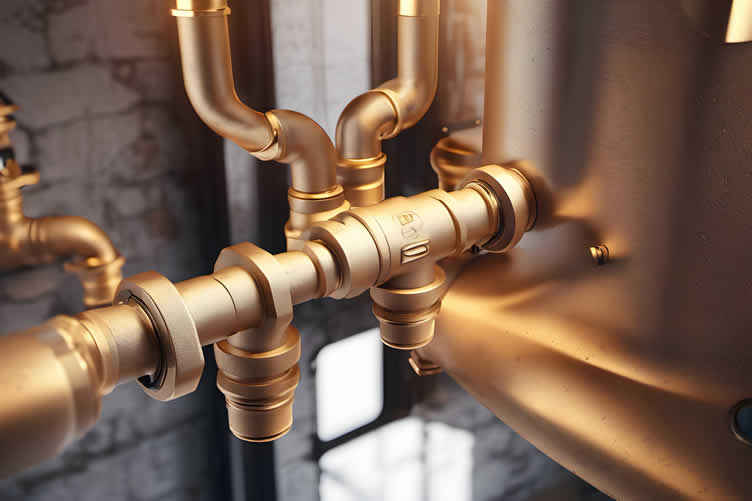
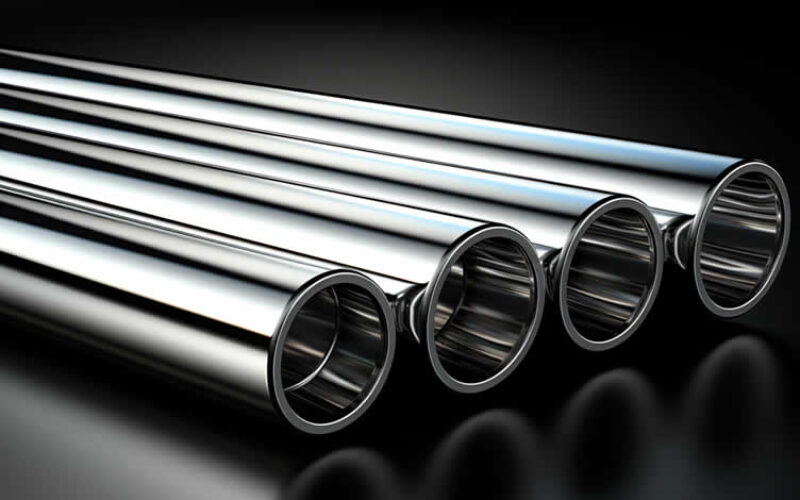
AI generated image by 123rf.com
[ view diagram: plumbing inspection checklist ]
[ youtube: perform a plumbing inspection ]
-
-
7th TERM: HVAC System Inspection
During a home remodeling project, the Heating, Ventilation, and Air Conditioning (HVAC) system’s implementation necessitates a thorough inspection to ensure it meets current building standards and provides efficient, safe operation. Inspectors assess several key aspects:
-
Ductwork Integrity
Inspectors examine the ductwork for proper installation, sealing, and insulation. Ensuring the ductwork is correctly sealed and insulated is vital for efficient heating and cooling, as leaks or poor insulation can lead to significant energy loss and compromised indoor air quality.
-
HVAC Equipment Condition
The condition and operation of the HVAC equipment, including the furnace, air conditioning units, and heat pumps, are closely inspected.
Inspectors look for proper installation, signs of wear, and ensure that the equipment is suitable for the size of the home to achieve optimal energy efficiency and comfort.
-
Ventilation and Airflow
Proper ventilation and airflow are crucial for maintaining indoor air quality. Inspectors check for the correct implementation of ventilation systems, especially in areas prone to moisture, such as bathrooms and kitchens.
Ensuring adequate airflow throughout the home helps prevent moisture accumulation, mold growth, and unhealthy air.
-
Insulation
This section assesses the insulation in the home. Proper insulation is checked in walls, attics, and floors to ensure energy efficiency and comfort.
-
Thermostat Functionality
The functionality and correct installation of thermostats are verified. Inspectors ensure that thermostats are placed in appropriate locations away from heat sources and drafts to accurately read the home’s temperature, allowing for efficient heating and cooling management.
-
Safety Features
Safety features within the HVAC system are scrutinized, including the presence and operation of carbon monoxide detectors near furnaces and any fuel-burning appliances. Inspectors also ensure that emergency shut-offs are accessible and functional, reducing the risk of accidents.
-
Summary Checklist:
- heating type and condition
- air conditioning type
- furnace
- air conditioning unit
- heat pump
- duck work
- registers and grills
- fireplace
- flues
- filters
- insulation

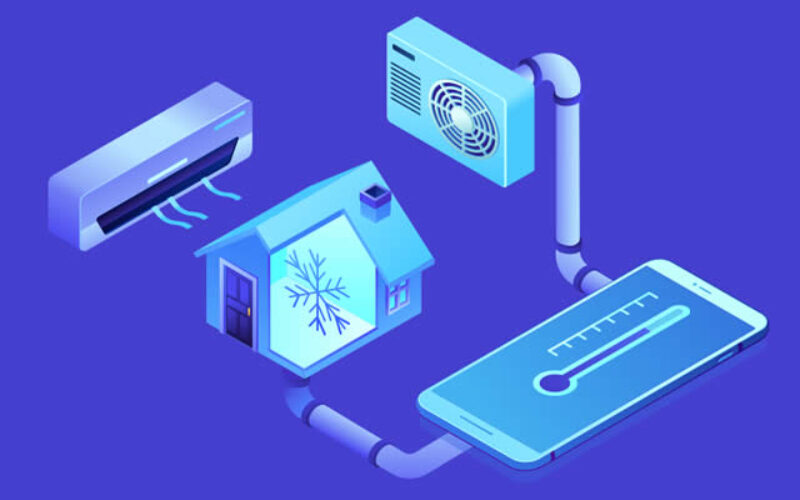
copyright image by 123rf.com
[ view diagram: hvac inspection checklist ]
[ youtube: inspecting HVAC systems ]
-
-
8th TERM: Appliance Installation Inspection
When inspecting the appliance installation as part of a home remodeling project, emphasis is laid on verifying that all appliances are installed according to the manufacturer’s guidelines and local building codes.
This includes checking for proper electrical and plumbing connections, ensuring there is adequate ventilation for appliances that require it, and confirming that appliances are secured and level.
Inspectors also look for energy efficiency and safety features to ensure that the appliances are not only installed correctly but will also operate safely and efficiently.
-
Electrical Connection and Safety
This section of the inspection focuses on ensuring that all electrical connections to the appliances are done correctly, with proper wiring and suitable circuit breakers in place.
Inspectors check for the use of GFCI (Ground Fault Circuit Interrupter) outlets in areas with moisture, such as kitchens and bathrooms, to reduce the risk of electrical shock—verifying that all electrical installations meet the national and local electrical codes for safety.
-
Plumbing Connections for Appliances
Plumbing connections for appliances such as dishwashers, washing machines, and ice makers are inspected for leaks, proper drainage, and the use of appropriate materials and valves.
The inspection ensures that there are no cross-connections between the potable water supply and wastewater lines, protecting against contamination.
-
Ventilation and Exhaust Systems
This part of the inspection ensures that appliances requiring ventilation, such as range hoods, dryers, and some types of heaters, have properly installed exhaust systems.
These systems must vent to the outside of the home, reducing the risk of moisture buildup and ensuring the removal of harmful gases and smoke from the living area.
-
Energy Efficiency and Sustainability
Inspectors also evaluate appliances for energy efficiency, looking for Energy Star ratings or other certifications that indicate the appliance meets or exceeds environmental and energy-saving standards.
This assessment acknowledges the growing trend towards sustainability in home remodeling, aiming to reduce the home’s overall carbon footprint and operational costs.
-
Summary Checklist:
- dishwasher
- range burners
- oven elements
- grills
- vents
- microwave
- garbage disposal
- trash compactor.
- washer and drying machines

copyright image by 123rf.com
[ view diagram: appliance inspection checklist ]
[ youtube: inspecting the kitchen ]
-
-
9th TERM: Green Energy Solutions Inspection
When incorporating green energy solutions into a home remodeling project, inspectors assess the installation and efficiency of systems like solar panels, wind turbines, geothermal heating, and cooling systems, or solar water heating setups.
This evaluation ensures that these installations comply with local building codes, are positioned for maximum efficiency, and are properly integrated with the home’s existing electrical and plumbing systems.
The inspection also covers the safety aspects of these installations, checking for secure mounting, proper wiring, and the absence of hazards that could affect the home’s occupants or the environment.
-
Solar Panel Installation
The inspection of solar panels focuses on their proper placement, orientation, and angling to maximize sunlight exposure. Inspectors ensure that the panels are securely attached to the roof, wiring is up to code, and the system is efficiently connected to the home’s power grid.
They also assess the condition of inverters and batteries for off-grid systems, ensuring they are safely installed and have adequate capacity.
-
Wind Turbine Efficiency
For homes utilizing wind energy, the inspection includes evaluating the placement and installation of the turbine to ensure it’s in an optimal location for wind exposure.
Inspectors check for structural integrity, proper electrical connections, and compliance with local noise regulations. The safety of the installation and its potential impact on wildlife and the surrounding area are also assessed.
-
Geothermal Systems Assessment
Inspecting a geothermal heating and cooling system involves verifying the integrity of the loop system, whether it’s closed or open-loop, and ensuring proper installation to avoid potential leaks of the heat-conducting fluid.
Inspectors also check that the heat pump and other components are correctly sized for the home and efficiently convert ground-source energy into heating and cooling for the property.
-
Solar Water Heating Setup
The inspection of a solar water heating system ensures that solar collectors are appropriately positioned and securely installed.
It also involves checking the piping for insulation and proper routing, the tank for adequate size and insulation, and that the system’s components, like tempering valves, are functioning correctly to deliver consistent hot water without risking scalding.
-
Insulation Evaluation
During an energy inspection, the evaluation of a home’s insulation is critical for determining its overall energy efficiency. Inspectors examine the thickness, type, and installation of insulation in walls, attics, and floors.
They assess whether the insulation meets the current building standards and if there are any gaps or leaks that could lead to heat loss.
Proper insulation contributes significantly to reducing energy consumption by maintaining the desired temperature inside the home, thereby decreasing the need for heating in winter and cooling in summer.

copyright image by 123rf.com
[ view diagram: green energy inspection checklist ]
[ youtube: energy code inspection walk-thru ]
-
-
10th TERM: Landscape Inspection
Inspecting the yard and garden landscaping involves evaluating the health and maintenance of the vegetation, the integrity of hardscape features, and the adequacy of drainage systems.
Inspectors look for properly pruned and healthy plants, well-maintained lawns, and the presence of invasive species that could threaten the local ecosystem.
They also assess paths, patios, and retaining walls for signs of settling or disrepair. Proper drainage is crucial to prevent water pooling and to ensure that landscape design complements the home’s overall drainage system.
-
Plant and Tree Health
This section evaluates the health and proper maintenance of trees, shrubs, and plants in the landscape. Inspectors check for signs of disease or infestation, damage from pests, and evidence of regular, proper pruning and care.
The presence of dead or dying plants can indicate underlying issues with soil health or irrigation.
-
Hardscape Condition
Hardscape features such as walkways, patios, decks, and retaining walls are inspected for structural integrity and safety. Inspectors look for cracks, uneven surfaces, loose components, and evidence of erosion or water damage.
Proper construction and maintenance of hardscape elements are essential to avoid accidents and to ensure longevity.
-
Irrigation and Drainage Systems
This section focuses on the efficiency and effectiveness of irrigation systems and landscape drainage. Inspectors examine sprinkler head placement, drip irrigation lines, and overall water coverage to ensure that plants receive adequate moisture without wasteful over-spray.
Drainage is tested to confirm that water flows away from the house and other structures, preventing potential water damage and ensuring landscape sustainability.
-
Outdoor Lighting and Electrical Safety
Inspectors evaluate outdoor lighting fixtures for proper installation and functionality, ensuring they meet safety standards. This includes checking for exposed wires, proper use of weatherproof fixtures, and efficient lighting placement for security and aesthetics.
The overall goal is to enhance safety, visibility, and enjoyment of the outdoor space during nighttime.
-
Driveways and Walkways
This section addresses the condition and safety of driveways and walkways, which are critical for providing safe and accessible routes throughout the property.
Inspectors assess the materials used for these surfaces for signs of wear, cracking, and settling that could indicate foundational or drainage issues.
Proper maintenance and construction of driveways and walkways not only enhance the property’s aesthetic appeal but also prevent accidents and facilitate smooth transitions from one area of the landscape to another.
-
Summary Checklist:
- unstable soil
- drainage
- fences
- grading
- retaining walls
- payments and driveways.

copyright image by 123rf.com
[ view diagram: landscape inspection checklist ]
[ youtube: one of the worst decks I’ve inspected ]
-
-
11th TERM: Conducting the Inspection
While some homeowners may feel equipped to assess the work themselves, hiring a professional inspector offers a level of thoroughness and expertise that can catch issues you might miss. These professionals utilize advanced tools and have a keen eye for detail, backed by years of experience in the construction industry.
Choosing the right inspector is paramount. Look for individuals with a solid background in home construction or remodeling and check their credentials and reviews. A reputable inspector should provide a comprehensive report that details their findings and suggests corrective actions if necessary.
-
The Value of Professional Inspections
Hiring a professional inspector might seem like an added expense, but it’s an investment in peace of mind. They can identify potential problems that could cost significantly more to repair in the future.
More importantly, they ensure that the remodeling work is safe, up to code, and of high quality. If issues are found, having an inspector’s report strengthens your position when negotiating repair steps with your contractor before releasing final funds.
-
Real-Life Success Stories
Consider the case of a homeowner who discovered, through a professional inspection, that the newly installed roof had improperly sealed seams. Prompt repair work prevented water damage that would have otherwise gone unnoticed until it caused significant harm.
Another example is a DIY enthusiast who learned that the new electrical wiring in their kitchen remodel didn’t meet current safety standards, averting potential fire hazards.
This testimonial comes from a family who intended to purchase their dream home. The initial allure of the property was overwhelming, but a thorough inspection revealed structural issues due to termite damage. The findings allowed the family to negotiate a lower purchase price, significantly offsetting the cost of necessary repairs.
Lastly, a couple renovating their first home benefited immensely from an inspector uncovering outdated plumbing that posed a severe risk of bursting. This early detection saved them from potential flooding and exorbitant water damage restoration costs.
These stories underscore the critical role that professional inspections play in safeguarding investments and ensuring the safety and durability of homes.
-
Finding and Selecting the Right Inspector
When it comes to finding the right inspector for your home remodeling project, it’s crucial to conduct thorough research and due diligence.
Start by asking for recommendations from friends, family, or your construction contractor, although it’s wise to seek an independent inspector to ensure unbiased results. Professional organizations and online platforms also offer directories of certified inspectors.
There are different types of inspectors to consider, depending on the scope of your remodeling project:
- General Home Inspectors:
These professionals are well-versed in assessing various aspects of your home, from structural integrity to electrical systems. They are ideal for overall assessments. - Specialized Inspectors:
For specific concerns, such as electrical, plumbing, or structural issues, hiring an inspector with expertise in that particular area might be necessary. These professionals possess deeper knowledge in their field of specialization.
When selecting an inspector, consider the following criteria:
- Certification and Licensing:
Verify that the inspector is certified by a recognized professional organization and holds all necessary local licenses. - Experience:
Look for an inspector with extensive experience, especially with projects similar to yours. - Reviews and References:
Read online reviews and ask for references to gauge the inspector’s reputation and quality of work. - Insurance:
Ensure the inspector has liability insurance, which can protect you in case of errors in the inspection.
By carefully selecting a qualified and reputable inspector, homeowners can gain valuable insights into their remodeling project’s quality and safety, ultimately ensuring that the finished project meets their expectations and complies with local building standards.
LetsRenovate has partnered with HomeAdvisor™, a renowned provider of highly-rated, carefully-vetted local home inspectors. Start your search here by choosing the type of inspector you need and entering your zip code to find local professionals.
But Wait!
Before starting the search and evaluation process for home inspectors, it is highly recommended to download and utilize this comprehensive worksheet. This will help ensure that you have all the necessary information and tools at your disposal to make informed decisions and streamline the entire process.
This resource will assist in impartially ranking and evaluating potential contractors, taking into consideration essential factors such as pricing,

Evaluation Sheet
File Type:
- General Home Inspectors:

AI generated image by 123rf.com
[ youtube: finding the right home inspector ]
[ youtube: DIY home inspection ]
-
-
Conclusion
Home remodeling projects are significant investments in your property and quality of life. Ensuring that every aspect of the renovation meets your expectations and safety standards is non-negotiable.
A thorough home remodeling inspection is not just a step in the process; it’s the foundation upon which the success of your entire project rests.
Whether you’re a seasoned DIYer or a homeowner working with a construction team, prioritizing inspections will safeguard your investment, ensuring that your remodeled space is not only beautiful but built to last.
Take action by investing in a professional inspection today, and move forward with confidence, knowing your dream home remodel is executed flawlessly.
-
Quick scroll to more home structural and remodeling ideas …

-
ideas to view and compare from the photo above
book: home inspectionhome inspection tools kithome inspection robot
- What comments can you share about
home remodeling inspections that you have been involved with?
 … grab this directory of ideas






SHARE IT ..! You might have someone in your social network who could find these tips for home remodeling inspections valuable. Feel free to share it on Facebook, Twitter, LinkedIn, or Pinterest!





making home improvement decisions



Calendar For:
Home Maintenance
File Type:
view illustration “becoming a bank”

Find Home Inspection Services Home Inspection Inspection – Roof Inspection – Water Permit Services top-rated, pre-screened local contractors FREE: download contractor selection enter zip code – powered by HomeAdvisor ™
Quick Contractor Guides selecting negotiating working with inspecting

Cover image credit: home remodeling inspections by 123rf.com
end of post … please share it!
 |
did you find home remodeling inspections analysis helpful? If so, please share the article with your friends and family! |
Nice pic idea? Leave us a quick comment below.
And please share this pic idea within your social networks.








Nice article! Thanks for sharing these some tips about complete home inspections. Keep up good work.