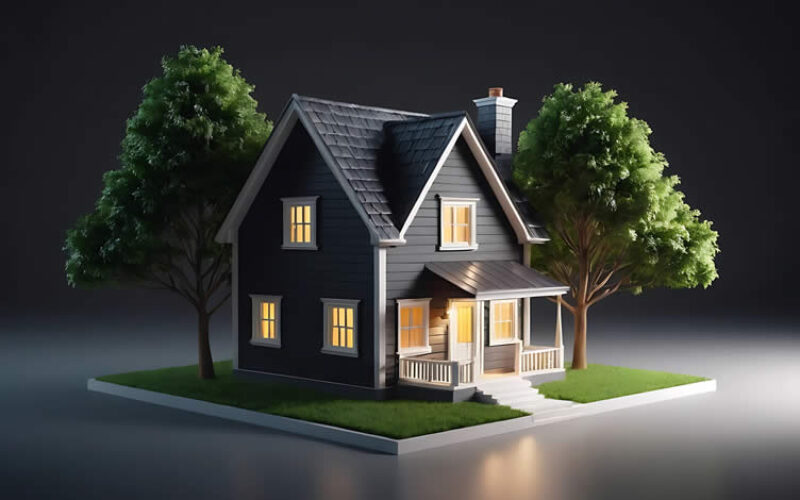
Quick Answer:
Losing privacy to passing traffic, sidewalks, or a neighbor’s windows doesn’t require a full-scale renovation. Strategic window treatments—like top-down/bottom-up shades or frosted film—paired with targeted screening (a well-placed hedge, trellis, or fence panel) can block sightlines exactly where they intrude, without sacrificing natural light or curb appeal.The right fix depends on where the exposure comes from: a road, a neighbor’s ground-floor window, or a neighbor’s upstairs window looking down into yours.
Summary Outline –
The good news is that most privacy problems in residential settings come from a handful of predictable sources: a road or sidewalk with direct line-of-sight into ground-floor windows, a neighboring home whose windows face yours at the same level, or a neighboring upstairs window that looks down into your space.
Each scenario calls for a different combination of solutions, and understanding which one applies to your home is the first step toward fixing it efficiently.
This guide walks through how to assess your specific privacy concerns, then breaks down targeted solutions for each of the three most common scenarios.
Rather than screening an entire property—which can be expensive and sometimes unnecessary—the goal is to address the exact windows and sightlines causing the problem.
- post content … analysis/ fix home privacy issues
- 1st: Assessing Your Privacy Concerns
- 2nd: Road or Sidewalk Sightlines
- 3rd: Neighbor’s Ground-Floor Windows
- 4th: Neighbor’s Upstairs Windows
- 5th: Frequently Asked Questions
- conclusion

-
- —— begin first topic ——
-
1st Segment: Assessing Your Privacy Concerns
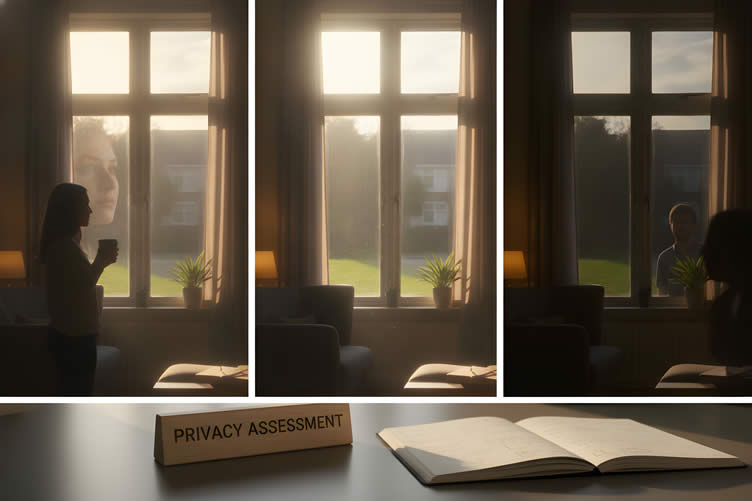
Every privacy project should start with a clear-eyed look at how and when people can actually see into your home. Spend a day or two observing your space at different hours, since morning light, afternoon sun angles, and evening interior lighting all affect visibility in different ways.
This simple assessment prevents costly guesswork and points you toward solutions that address the real issue rather than an assumed one.
AI generated image by 123rf.com

-
Line-Of-Sight And Visibility Patterns
Visibility isn’t constant throughout the day. A window that feels exposed at dusk, when your interior lights are on and the outside is dark, might feel perfectly private during daylight hours. Take note of which rooms are visible from the street, sidewalk, or neighboring windows, and at what times. Pay attention to elevation, too.
A neighbor’s second-story window often has a downward sightline that can see over fences and low shrubs, while a ground-level view is usually easier to block with a modest hedge or screen.
Mapping out these patterns tells you exactly where to focus your efforts instead of trying to shield your entire home at once.
-
Prioritizing Windows Over Full Property Screening
If your main concern is people seeing directly into your living spaces, start with the windows themselves rather than attempting to screen the entire property line.
Window treatments are typically far less expensive than fencing, landscaping, or structural additions, and they address the problem at its source: the opening people are actually looking through.
A road-facing home, for example, is often much easier to manage at ground level than a home pressed closely against a neighbor whose upstairs windows peer down into yours.
Treating the window first also gives you flexibility. You can layer in fencing or landscaping later if you decide you want additional outdoor privacy.
-
Other Factors To Weigh
Local ordinances, homeowners’ association rules, and shared property lines can all affect which solutions are realistic for your home. Before installing a fence or planting a mature screening hedge, check any height restrictions or setback requirements in your area.
It’s also worth considering your long-term plans. If you intend to sell within a few years, choose privacy solutions that also enhance curb appeal and buyer perception rather than ones that feel purely functional.
More Supporting Information
(view summary table and useful ideas – or scroll to side note and next topic)
Topic Details Key Considerations Assessing Your Privacy Concerns Every privacy project should begin with observing your home to identify visibility issues.
This includes monitoring light and visibility changes at different times of the day to avoid addressing assumed issues instead of actual ones.
Observe how morning light, afternoon sun, and evening lighting impact visibility into your home. Line-Of-Sight And Visibility Patterns Visibility changes throughout the day. Windows exposed at night due to interior lighting may not have the same visibility issue during daylight hours.
Elevation differences play a role as well, such as second-story sightlines overlooking fences.
Identify which parts of your home are clearly visible at specific times and from varying elevations to focus efforts effectively. Prioritizing Windows Over Full Property Screening Addressing privacy at the windows is often more cost-effective and focused compared to screening the entire property.
Treating windows directly solves the core privacy issue.
Start with window treatments and later consider fencing or landscaping if additional privacy is required. Other Factors To Weigh Local regulations, such as ordinances and homeowner association rules, can affect your options.
These considerations should align with long-term plans, particularly for property sale and curb appeal.
Ensure solutions comply with height restrictions, align with neighborhood rules, and enhance resale value if applicable. 


AI generated image by 123rf.com
Should You Move or Improve?
You may have wondered why you chose this location if sight-line issues have been a constant concern.
Perhaps the view or neighborhood initially outweighed privacy considerations.

Instead of thinking about relocating, you could explore creative remodeling solutions to transform your home into a private sanctuary.
From strategic landscaping to adding frosted glass or adjustable privacy screens, small changes can make a big impact, allowing you to enjoy your space without compromise.
view ideas: Rise of “Stay-Put Renovations”(new win)

-
Scroll up to directory … or scroll to next section how to fix home privacy issues …


-
-
-
2nd Segment: Road or Sidewalk Sightlines
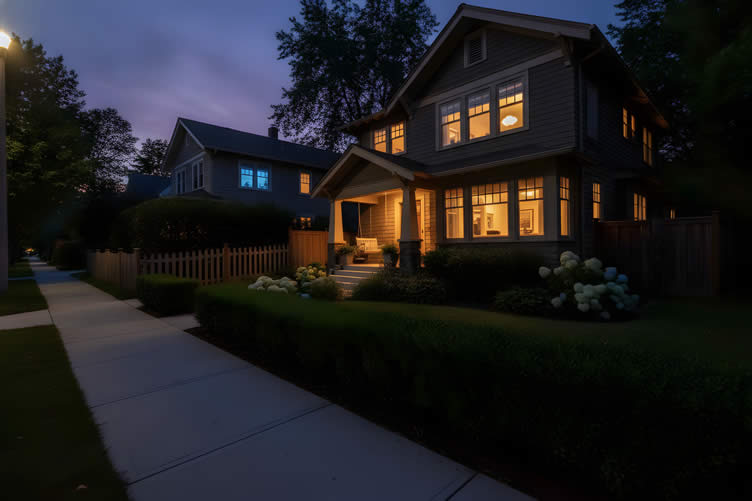
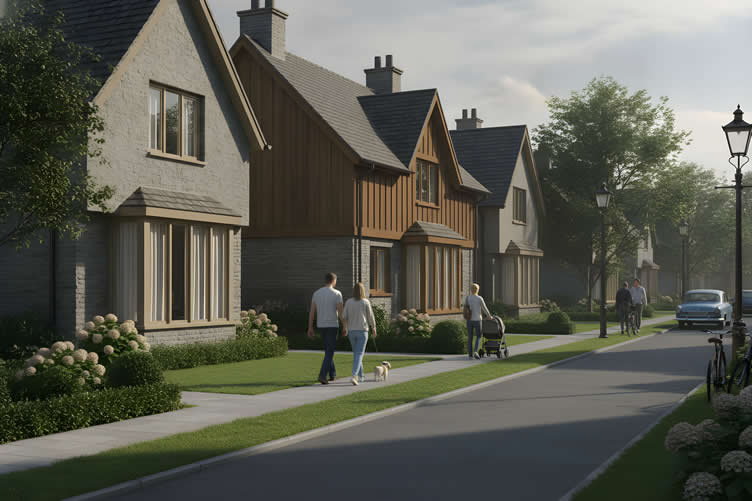
Homes facing a street, sidewalk, or public path often encounter a straightforward privacy challenge—passersby at ground level can easily see into ground-floor windows.
Addressing this issue doesn’t have to be difficult; since the sightline is primarily horizontal and limited to lower windows, there are plenty of effective solutions to ensure your living space feels both protected and comfortable without compromising natural light or aesthetics.
AI generated image by 123rf.com
The key to resolving road or sidewalk sightlines lies in balancing privacy with usability. Focus on solutions suited to the dynamics of this space—blocking visibility where it matters most while keeping your home inviting with thoughtful design and practical implementation.
-
Top-Down/Bottom-Up Shades[ view]
Top-down/bottom-up shades solve privacy and light management challenges in one sleek design. These versatile shades allow you to lower the covering from the top or raise it from the bottom, creating just the right amount of visibility control for specific areas of your window.
They’re especially ideal for urban or suburban settings where both light and privacy are priorities. Look for shades in neutral tones or patterns that harmonize with your room decor while improving functionality.
-
Frosted Film for Lower Windows[ view]
Frosted window film is an affordable and stylish way to obscure lower window panes while still letting in ample natural light. This semi-permanent option works well for those who want a quick installation with minimal upkeep.
Frosted films come in various designs, from simple matte finishes to elegant patterns, ensuring an aesthetic touch alongside added privacy. Plus, they can be easily removed or replaced if your needs or style preferences change.
-
Shrubs or a Fence Where Permitted[ view]
For a more natural or architectural approach, shrubs, hedges, or low fences can offer excellent ground-level privacy. Choose evergreen plants like boxwood or holly for year-round screening with minimal maintenance.
If you prefer structural solutions, fences made of wood, metal, or composite can provide effective coverage while enhancing your property’s curb appeal. However, be sure to check local ordinances or homeowners’ association rules for height and placement restrictions in your area.
-
Evergreen Screens[ view]
Evergreen screens, whether in the form of neatly planted hedges or decorative planters, are perfect for maintaining privacy without sacrificing greenery and softness in your yard.
Select plants suited to your climate and care abilities—such as arborvitae, junipers, or bamboo species—to create a private yet visually appealing barrier. Use planters or raised beds to fine-tune height and coverage, especially in areas with limited ground space.
-
Other Options[ view]
For those who require more temporary privacy measures, solutions like curtains or outdoor roller shades can be installed on patios or balconies to block visibility from sidewalks.
Exterior shutters are another choice, combining classic style with practical light blocking. Consider exploring decorative window grids or lattice panels for a charming touch that adds visual interest along with functionality.
-
What To Watch Out For
While boosting privacy, be careful not to darken your interiors or block views you actually enjoy. Look for solutions that strike a balance between privacy and natural light. It’s also worth checking that any fence or hedge doesn’t create blind spots near driveways or along the street, as these can be a safety hazard.
Before committing to any installation, review local zoning laws and neighborhood guidelines to ensure compliance. Finally, choose durable, low-maintenance materials so your privacy solution continues to deliver value long after it’s in place.
More Supporting Information
(view images and summary table – or scroll to side note and next topic)
Privacy Solution Description Key Features Considerations Road or Sidewalk Sightlines Addresses visibility into ground-floor windows from passersby, providing a balance of privacy and aesthetics while maintaining natural light. Focuses on lower-window privacy, ensures usability, and blends functionality with design. Solutions must block visibility effectively while keeping interiors inviting. Top-Down/Bottom-Up Shades Versatile shades offering flexibility to adjust coverage either from the top or bottom, ideal for controlling light and privacy. Continuous light control, compatibility with urban or suburban settings, neutral tones or patterns available. Choose shades that harmonize with decor and provide adequate functionality. Frosted Film for Lower Windows An affordable and stylish option to obscure lower window panes while allowing natural light to enter. Available in diverse designs, easy to install, and replaceable for changing style preferences. Ensure proper balance between aesthetics and practicality for lasting effectiveness. Shrubs or a Fence Natural or structural barriers like evergreen shrubs, hedges, or low fences can provide year-round privacy. Evergreen plants require minimal maintenance, while fences enhance both privacy and curb appeal. Verify local zoning laws and HOA restrictions before installation. Evergreen Screens Greenery-based privacy using hedges, decorative planters, or raised beds for added coverage. Arborvitae, junipers, and bamboo are common choices, providing a soft, natural barrier. Select climate-appropriate plants and evaluate space limitations for effective placement. Other Options Temporary solutions like curtains, outdoor shades, shutters, or decorative window grids for flexibility. Fast assembly, charming design additions, and practical light and visibility control options. Focus on lighter, flexible solutions for temporary use without compromising light or decor. What To Watch Out For Ensure the chosen privacy solution does not reduce interior brightness or block desirable views. Maintain balance between privacy and natural light while avoiding potential safety hazards. Durable, low-maintenance materials are essential for long-term value and functionality. 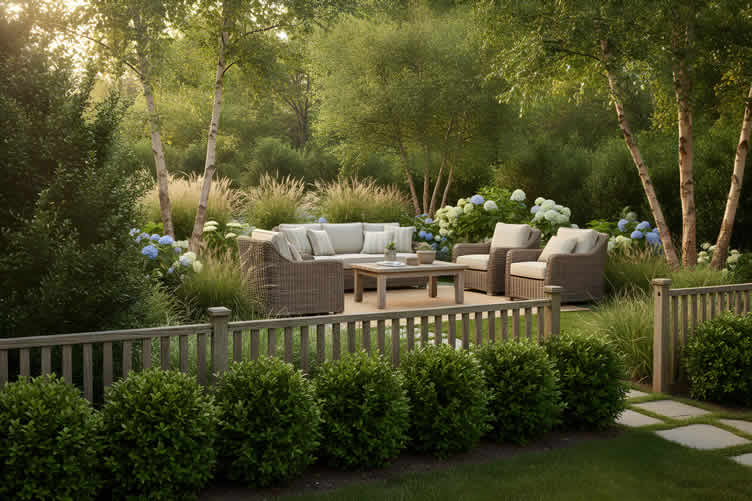
AI generated image by 123rf.com
Turn Your Mailbox Into a Front-Yard Vignette
Landscaping around the mailbox may not create a secluded retreat, but it brings a welcoming charm to an often-overlooked space.
With a mix of vibrant flowers, low-maintenance shrubs, or even creeping ground covers, you can turn your mailbox area into a focal point that enhances curb appeal.
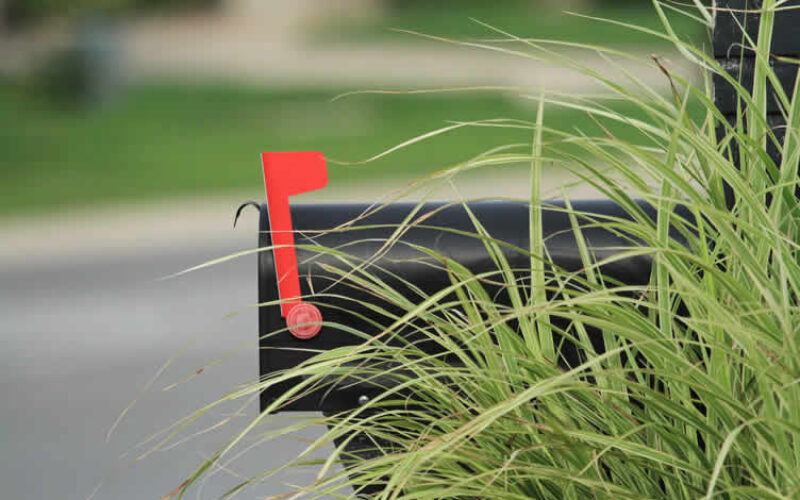
This touch of greenery adds personality to your yard, blending functionality with aesthetics that greet visitors and passersby with a splash of natural beauty.
view ideas: Landscaping Around the Mailbox(new win)
-
Scroll up to directory … or scroll to next section how to fix home privacy issues …
-
-
-
-
3rd Segment: Neighbor’s Ground-Floor Windows
When your neighbor’s ground-floor windows have a clear view into your home, it can feel like your personal space is compromised. No matter how well you design your interiors, privacy from adjacent properties is essential for peace of mind and comfort.
While window treatments like blinds and curtains offer a temporary fix, creating an exterior physical barrier often provides a more effective and lasting solution.
This not only safeguards your privacy but also enhances the aesthetic and functional value of your outdoor space.
AI generated image by 123rf.com
Addressing these sightline concerns requires careful planning and thoughtful design. Solutions range from physical barriers like fences or hedges to window adjustments that provide coverage while preserving natural light.
Here’s how to expertly tackle this issue to ensure your home maintains both privacy and style.
-
Solid Fence or Hedge[ view]
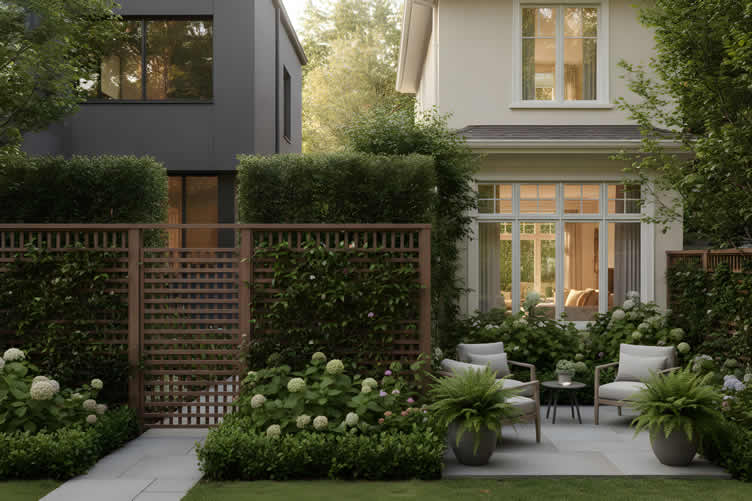
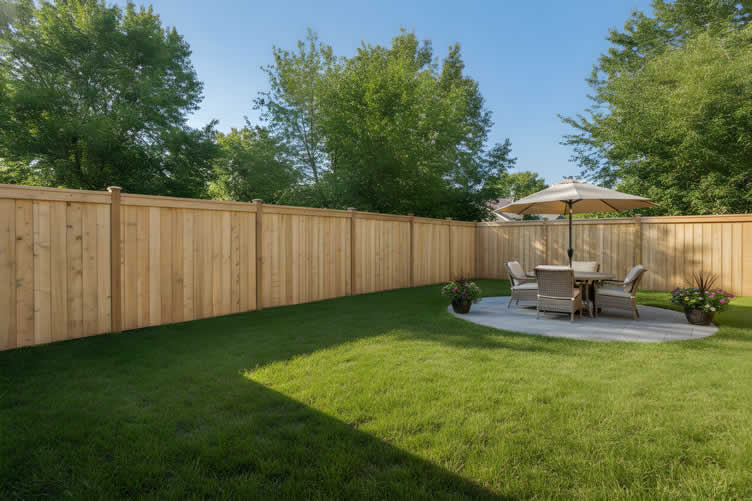
A solid fence or a dense hedge can block direct views from neighboring ground-floor windows and is often the first and most effective solution. A fence can provide instant privacy, while hedges offer a natural, eco-friendly approach that blends seamlessly with your yard.
When choosing a fence material, opt for wood, vinyl, or composite options that balance durability and low maintenance. If a hedge is your choice, evergreen varieties like arborvitae or boxwood ensure year-round coverage.
Be mindful of height restrictions and property line regulations to avoid potential disputes with neighbors.
-
Shades on the Directly Facing Windows[ view]
Interior window shades can provide an additional layer of privacy without permanently altering your yard. Roller shades, frosted films, and cellular blinds filter light while blocking the view into your home.
Opt for motorized or smart shades for ease of use, particularly if your window is large or hard to access. Pairing these with an exterior element, like a fence or shrubbery, offers a twofold solution—ensuring you’re covered both inside and out.
-
Other Solutions[ view]
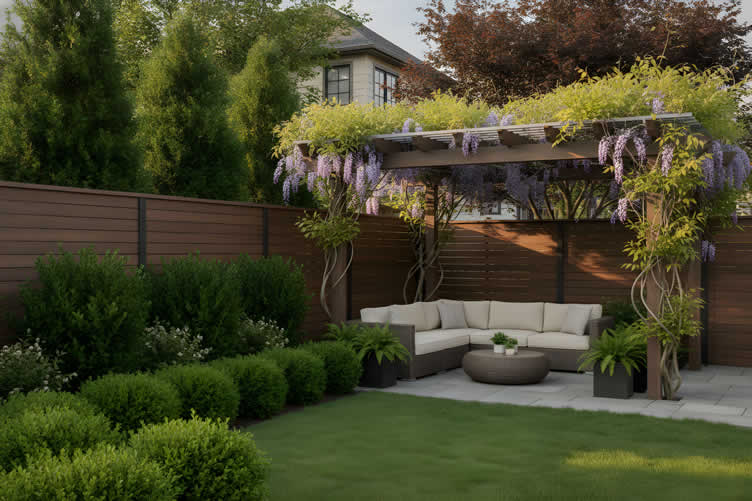
For those seeking a more creative approach, add decorative elements like lattice panels with climbing plants. These not only create privacy but also introduce a softer, more inviting aesthetic.
Pergolas draped with vines can shield patios near ground-floor windows, while frosted or patterned glass panels make for a modern, stylish statement.
Garden structures like trellises or vertical plant walls can also be incorporated to block sightlines while boosting your landscape’s visual appeal.
-
What To Watch Out For
When homes are close together, privacy concerns can go both ways. A friendly conversation with your neighbor before installing anything significant can prevent misunderstandings and may even lead to a shared solution — like a jointly funded fence — that works for everyone.
As you plan your privacy measures, keep a few key factors in mind. Make sure your chosen solution doesn’t block natural light, as this can affect the comfort and usability of your indoor spaces.
Check that your plans comply with local zoning laws, HOA guidelines, and neighborhood regulations, since overly tall or intrusive installations can result in disputes or fines.
Also, think long-term — whether you choose a fence, plants, or window treatments, opt for materials that can hold up against weather and daily wear.
With a little thoughtful planning, you can create a more private, peaceful home while staying in harmony with your neighborhood.
More Supporting Information
(view images, summary table and useful ideas – or scroll to side note and next topic)
Privacy Issue Solutions Considerations Neighbor’s Ground-Floor Windows Creating physical barriers like fences, hedges, or window adjustments to maintain privacy and enhance outdoor aesthetics. Carefully plan and design sightline solutions to ensure both privacy and style without compromising natural light. Solid Fence or Hedge A solid fence offers immediate privacy, while a hedge provides a natural and eco-friendly alternative with options like arborvitae or boxwood for year-round coverage. Choose durable materials for fences, adhere to local property regulations, and consider the height limitations to avoid disputes. Shades on Directly Facing Windows Use interior solutions like roller shades, frosted films, or cellular blinds to block views while retaining light.
Motorized or smart shades are ideal for large or hard-to-access windows.
Combine interior shades with exterior elements like fences or shrubs for layered privacy. Ensure ease of operation and alignment with style preferences. Other Creative Solutions Introduce elements like lattice panels with climbing plants, frosted glass panels, pergolas with vines, or trellises for a decorative yet functional privacy screen. Focus on aesthetics to complement the landscape, ensuring the balance of functionality and design appeal. Key Planning Points Engage neighbors for collaborative solutions, verify compliance with local zoning laws and HOA guidelines, and plan for long-term durability. Opt for materials and designs that hold up against weather while ensuring harmony with neighborhood regulations and aesthetics. 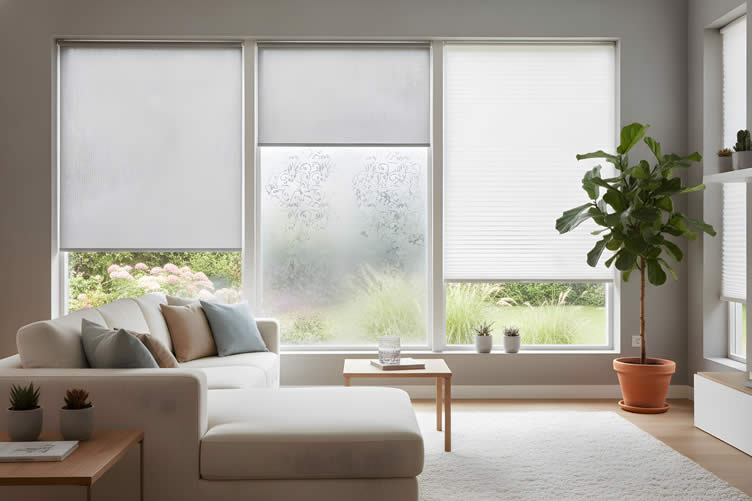
AI generated image by 123rf.com
Creating Your Private Outdoor Sanctuary
Your side and backyard should be a haven—a space where you can unwind, connect with loved ones, and enjoy moments of peace without the intrusion of distractions or curious onlookers.
Whether you’re hosting a lively barbecue, sipping your morning coffee in solitude, or letting kids and pets roam safely, a private outdoor area enhances comfort and enjoyment.
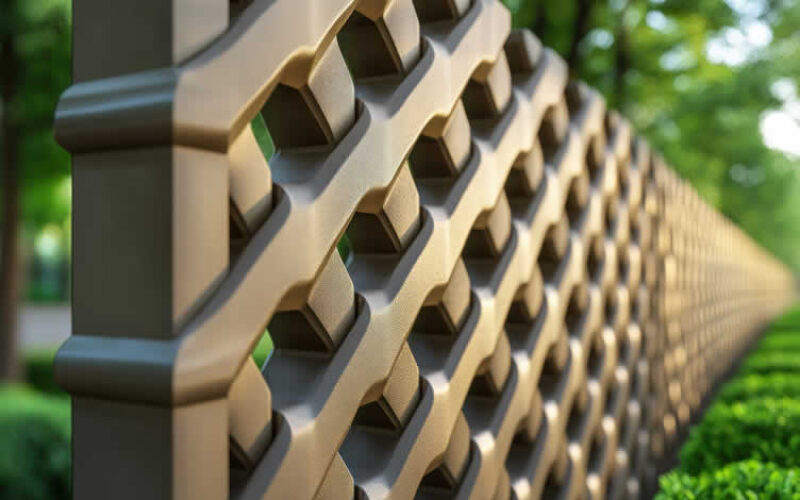
From privacy fences to lush living walls and natural hedges, this article dives into creative solutions to help you build the tranquil escape you deserve.
view ideas: Landscaping for Privacy(new win)
-
Scroll up to directory … or scroll to next section how to fix home privacy issues …
-
-

Are there any other interesting topics that might have been overlooked but could offer valuable insights …?


… home remodeling and improvement

-
-
4th Segment: Neighbor’s Upstairs Windows
Addressing sightlines from a neighbor’s upstairs windows can be one of the trickiest privacy challenges for homeowners.
The elevated vantage point allows a view that often bypasses traditional privacy measures, such as fences or hedges, creating a sense of intrusion.
AI generated image by 123rf.com
The solution typically requires focusing on the specific windows causing the issue and implementing deliberate steps to block or divert the sightline while maintaining light, aesthetics, and functionality within your home.
Below, we explore comprehensive strategies to enhance privacy without sacrificing style or comfort.
-
Shades on Your Windows[ view]
Installing adjustable, high-quality shades on your affected windows is one of the simplest and most effective solutions.
Options like top-down bottom-up shades or cellular blinds strike a balance between daytime lighting and privacy by allowing you to block the sightline while still letting light in from the top. Look for shades with UV-filtering properties to protect your interiors from sun damage while creating a soft, diffused light.
-
Specialty Windows[ view]
Consider replacing standard windows with specialty ones designed for privacy. Styles like high-transom windows, which are placed above the usual sightline, or clerestory windows can allow natural light to flood the space without exposing your interiors to outside view.
Likewise, textured or stained glass can be both a decorative and functional addition, offering an artistic touch alongside privacy.
-
Frosted or Specialty Window Film[ view]
For a cost-effective and versatile option, apply frosted or decorative privacy film to the affected windows. These films come in a variety of designs, such as etched glass patterns or gradient opacities, enabling you to customize their appearance to suit your aesthetics.
Privacy film is especially effective in bathrooms and bedrooms, where reducing visibility is crucial while still retaining natural light.
-
A Targeted Tree or Trellis[ view]
Strategically planting a tree or installing a vertical trellis can help block sightlines without the need for structural changes to your windows. Fast-growing trees like evergreen varieties provide year-round coverage, while trellises adorned with climbing plants like wisteria or ivy can create a beautiful, natural screen.
Carefully consider placement to ensure the barrier aligns with the sightline and doesn’t impact your outdoor space’s usability.
-
Screen Near the Affected Room or Patio[ view]
If the privacy concern extends to outdoor areas like a patio or balcony, introducing a privacy screen can solve the problem.
Options include lattice panels, outdoor curtains, or standalone decorative screens that create seclusion without obstructing airflow or light. Screens can also serve as temporary solutions, giving you flexibility as your landscaping or home projects evolve.
-
Other Options[ view]
For unique needs, explore custom solutions such as adding pergolas with retractable covers, hanging outdoor art or decor pieces that double as privacy features, or using angled slats on fencing at specific sightlines.
Adding layers, such as combining foliage with curtains or films, can also enhance effectiveness.
-
What to Watch Out For
While addressing upstairs sightlines, consider local building codes, HOA rules, and shared property line concerns to ensure compliance and maintain good relationships with your neighbors.
Choose materials and plants that require minimal maintenance and are suited to your region’s climate to avoid future issues. Additionally, be cautious about over-designing solutions that might compromise light levels or create a closed-off feeling within your home.
By thoughtfully addressing upstairs windows with targeted solutions that fit your home’s style and functionality, you can restore a sense of privacy and comfort to your living spaces while maintaining harmony with your surroundings.
More Supporting Information
(view images, summary table and useful ideas – or scroll to side note and next topic)
Privacy Concern Solution Additional Considerations Neighbor’s Upstairs Windows Focus on blocking or diverting sightlines with practical and aesthetic measures, such as using shades, specialty windows, or planting trees. Maintain light, aesthetics, and functionality while adhering to local codes and neighborly considerations. Shades on Your Windows Install adjustable options like top-down bottom-up shades or cellular blinds to block sightlines while allowing natural light. Choose shades with UV-filtering features. Ensure the balance of lighting and privacy for enhanced comfort and interior protection. Specialty Windows Replace standard windows with high-transom, clerestory, textured, or stained glass windows to allow natural light while maintaining privacy. Combine functionality and decorative elements to enhance both aesthetics and privacy. Frosted or Specialty Window Film Apply frosted or decorative privacy film with customizable designs like etched glass or gradients to enhance aesthetics and reduce visibility. Cost-effective for bathrooms and bedrooms, ensuring retained natural light and reduced exposure. A Targeted Tree or Trellis Use fast-growing trees or vertical trellises with climbing plants to create a natural privacy barrier aligned with sightlines. Ensure proper placement that complements outdoor usability and aesthetic appeal. Screen Near the Affected Room or Patio Add screens like lattice panels, outdoor curtains, or standalone decorative panels for seclusion while retaining airflow and light. Ideal for outdoor spaces like patios or balconies as flexible and temporary privacy solutions. Other Options Implement custom solutions like pergolas, hanging outdoor decor, or angled fencing combined with foliage for layered privacy. Avoid over-designing and consider light levels, maintenance, and climate suitability. Key Considerations Ensure compliance with local building codes, HOA rules, and shared property boundaries while prioritizing materials suited to the climate. Preserve neighbor relations and avoid creating a closed-off or poorly lit environment. 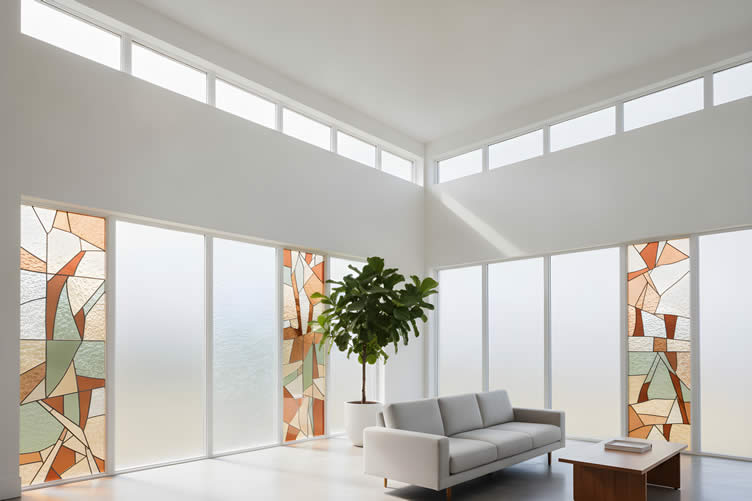
AI generated image by 123rf.com
The Perfect Privacy Solution
Shades and blinds are arguably the best choice for maintaining privacy, especially if you live in close proximity to neighbors with a direct view into your upstairs bathroom or bedroom.
The key is finding a type of shade or blind that not only effectively blocks sight lines but also allows for layers of natural light to filter through.

This combination ensures your space feels private without becoming dark or uninviting, giving you the perfect balance of comfort and functionality.
view ideas: Window Treatments and Their Role(new win)
-
Scroll up to directory … or scroll to next section how to fix home privacy issues …
-
-

Budgeting Worksheet For Costing Home Remodeling and Home Improvement Decisions
 File Type (excel)
-
-
5th Segment: Frequently Asked Questions
-
What is the most affordable way to increase home privacy?
Window treatments such as frosted film, cellular shades, or top-down/bottom-up shades are typically the most affordable privacy solutions, since they address the exact opening being viewed without the cost of fencing or landscaping.
-
Do I need to screen my entire yard for privacy, or just specific windows?
In most cases, you only need to address the specific windows or outdoor areas with a direct line of sight to a road, sidewalk, or neighboring property. Full-yard screening is rarely necessary and often more costly than targeted solutions.
-
Can landscaping alone solve a privacy problem?
Landscaping works well for ground-level sightlines, such as those from a road or a neighbor’s ground-floor window, but it’s generally ineffective against elevated views from upstairs windows, which require window-level solutions instead.
-
What type of window film offers privacy without blocking light
Frosted or etched window film diffuses the view from outside while still allowing daylight to pass through, making it a popular choice for bathrooms, home offices, and any room where full coverage feels excessive.
-
How tall does a privacy fence need to be to block a neighbor’s view?
Fence height requirements vary by local ordinance, but most residential privacy fences range from six to eight feet to effectively block a direct ground-floor sightline. Always check local regulations before installing a fence.
-
Are evergreen shrubs better than a fence for privacy?
Evergreen shrubs offer a softer, more natural-looking barrier and provide year-round coverage, while fences offer more immediate, consistent privacy without waiting for plants to mature. Many homeowners combine both for the best results.
-
How long does it take for evergreen shrubs to provide full privacy?
This depends on the species and starting size, but most evergreen screening plants take several years to reach a mature, fully screening height. Homeowners who want faster results often pair young plantings with a temporary fence or window treatment in the meantime.
-
How do I block a neighbor’s upstairs window from seeing into my yard or home?
Since ground-level fences and hedges can’t block a downward sightline from an upstairs window, the most effective solutions are window treatments on the affected room, specialty window film, or a targeted tree or trellis placed to interrupt that specific elevated view.
-
Should I talk to my neighbor before installing a privacy solution?
Yes. When two homes are close together, a friendly conversation with your neighbor can help you find a solution that benefits both households, such as sharing the cost of a fence or hedge along the shared property line.
More Supporting Information
(view summary table and useful ideas – or scroll to side note and conclusion w/ references)
Question Answer Notes What is the most affordable way to increase home privacy? Window treatments such as frosted film, cellular shades, or top-down/bottom-up shades are typically the most affordable privacy solutions, since they address the exact opening being viewed without the cost of fencing or landscaping. Cost-effective for specific windows and indoor use. Do I need to screen my entire yard for privacy, or just specific windows? In most cases, you only need to address the specific windows or outdoor areas with a direct line of sight to a road, sidewalk, or neighboring property. Full-yard screening is rarely necessary and often more costly than targeted solutions. Targeted solutions are sufficient in most cases. Can landscaping alone solve a privacy problem? Landscaping works well for ground-level sightlines, such as those from a road or a neighbor’s ground-floor window, but it’s generally ineffective against elevated views from upstairs windows, which require window-level solutions instead. Best combined with other solutions for elevated views. What type of window film offers privacy without blocking light? Frosted or etched window film diffuses the view from outside while still allowing daylight to pass through, making it a popular choice for bathrooms, home offices, and any room where full coverage feels excessive. Allows light in while maintaining privacy. How tall does a privacy fence need to be to block a neighbor’s view? Fence height requirements vary by local ordinance, but most residential privacy fences range from six to eight feet to effectively block a direct ground-floor sightline. Always check local regulations before installing a fence. Check local zoning laws before installation. Are evergreen shrubs better than a fence for privacy? Evergreen shrubs offer a softer, more natural-looking barrier and provide year-round coverage, while fences offer more immediate, consistent privacy without waiting for plants to mature. Many homeowners combine both for the best results. Combination of shrubs and fences often ideal. How long does it take for evergreen shrubs to provide full privacy? This depends on the species and starting size, but most evergreen screening plants take several years to reach a mature, fully screening height. Homeowners who want faster results often pair young plantings with a temporary fence or window treatment in the meantime. Consider temporary solutions during growth period. How do I block a neighbor’s upstairs window from seeing into my yard or home? Since ground-level fences and hedges can’t block a downward sightline from an upstairs window, the most effective solutions are window treatments on the affected room, specialty window film, or a targeted tree or trellis placed to interrupt that specific elevated view. Effective with targeted placement or window treatments. Should I talk to my neighbor before installing a privacy solution? Yes. When two homes are close together, a friendly conversation with your neighbor can help you find a solution that benefits both households, such as sharing the cost of a fence or hedge along the shared property line. Encouraged to find mutually beneficial solutions. 
copyright image by 123rf.com
Garden Power Tools You Definitely Need
Outdoor power tools are essential for keeping your lawn and garden in top shape with minimal effort – including those efforts for added privacy.
From lawnmowers that deliver a precise, even cut to tillers that effortlessly prepare flower beds, and trimmers that keep hedges and shrubs neat, these tools save time and energy while producing professional results.

Whether you’re trimming overgrown weeds or edging irregular spaces, the right equipment ensures your outdoor space looks clean, organized, and ready to enjoy.
view ideas: For Your Lawn n’Garden(new win)
Where Professional Help May Be Needed
Upgrading your home’s yard or replacing windows with privacy protection can elevate both comfort and style while addressing security and functional needs.
When handled by a professional landscaper or contractor, the results are not only superior but also tailored to your unique requirements. Here are some key benefits they bring to the table:
-
Key Benefits:
- Expert Design and Planning
Professionals bring a trained eye and extensive experience to create a cohesive and personalized design that integrates landscaping or privacy features seamlessly with your home’s aesthetic. - High-Quality Materials
With access to top-tier suppliers, contractors ensure that the plants, soil, or window solutions used are high-quality and durable, yielding long-lasting results. - Time and Cost Efficiency
Skilled in managing resources, professionals save you time and prevent costly mistakes that could arise from DIY attempts. They stick to budgets without compromising on quality. - Specialized Knowledge
Whether it’s understanding how to place trees for natural shading and visual barriers or installing windows with advanced privacy features, they have the expertise to handle intricate details effectively. - Enhanced Property Value
A well-landscaped yard and modern privacy-enhancing windows increase not only everyday quality of life but also the resale value of your home. - Compliance with Codes
Contractors ensure that all work meets local building codes and safety regulations, giving you peace of mind that your investment is both secure and legal. - Maintenance Guidance
They provide tips and plans for the ongoing care of your landscaping or windows, ensuring that your investment remains pristine for years to come.
- Expert Design and Planning
-
How to Find the Right Contractor
Finding a contractor who matches your needs and vision is essential. Here are a few steps to guide your search:
- Research Credentials
Look into licenses, certifications, and professional associations to ensure credibility. - Check Reviews and References
Read online feedback and ask for references to understand past clients’ experiences. - Compare Quotes
Obtain and compare estimates while ensuring that the scope of work is clearly defined. - Discuss Your Vision
Share your goals and ideas to confirm the contractor’s ability to deliver on your expectations.
Selecting an experienced professional ensures a smoother process and results that you’ll appreciate every day.
- Research Credentials
LetsRenovate has partnered with HomeAdvisor (Angi)™, a renowned provider of highly-rated, carefully-vetted local contractors. Start your search here by choosing the type of contractor you need for enhanced privacy and entering your zip code to find local professionals.
AI generated image by 123rf.com
But Wait!
Before searching for an enhanced-privacy contractor, we recommend downloading our evaluation worksheet.
Use it to objectively compare potential contractors across key factors like pricing, licensing, and references.

Evaluation Sheet
File Type:
-
Scroll up to directory … or scroll to conclusion and references …
-
-
-
Conclusion
… restoring your privacy, one window at a time
Privacy concerns rarely require a one-size-fits-all fix. A road-facing home usually responds well to window treatments and modest landscaping at ground level, while a neighbor’s ground-floor windows call for a fence or hedge paired with targeted shades on directly facing windows.
Upstairs sightlines, by contrast, are best solved at the window itself, since fences and hedges can’t reach that elevated angle.
Starting with your windows before considering larger landscaping or fencing projects almost always saves money and effort, since it addresses the exact point where the view enters your home. Take the time to walk through your property, note where and when you feel exposed, and match each concern to the specific solution designed for that sightline.
With a thoughtful, targeted approach, you can reclaim a sense of privacy in your home without sacrificing natural light or your outdoor living space.
References
- Angi, "2025 Outdoor Privacy and Fencing Trends Report"
- This Old House, "A Homeowner’s Guide to Window Privacy Film," 2024
- American Society of Landscape Architects, "Residential Landscape Trends" (2024)
- National Association of Home Builders, "Outdoor Living and Privacy Features Survey" (2024)
-
Quick scroll to more interior home structural ideas …
-
ideas to view and compare from the photo above
privacy window filmetched specialty windowfrosted paint for windows
- What recommends can you offer to
fix home privacy issues for home sightlines?
SHARE IT ..! Someone in your network might benefit from this insightful post how to fix home privacy issues. Feel free to share it on Facebook, X (formally Twitter), LinkedIn, or Pinterest!


Calendar For:
Home Maintenance
File Type:
… view our sharing links below for a quick "share the knowledge"
Find Outbuilding Services Gazebos Play Equipment Outbuildings Fences Pergolas Pool Side Pergola Porches Waterproofing Sheds Retaining Walls top-rated, pre-screened local contractors FREE: download contractor selection enter zip code – powered by HomeAdvisor ™
Quick Contractor Guides selecting negotiating working with inspecting

Cover image credit: fix home privacy issues by 123rf.com
end of post … please share it!
 |
did you find fix home privacy issues analysis helpful? If so, please share the article with your friends and family! |
Nice pic idea? Leave us a quick comment below.
And please share this pic idea within your social networks.