first “how to properly care for a fruit tree” idea
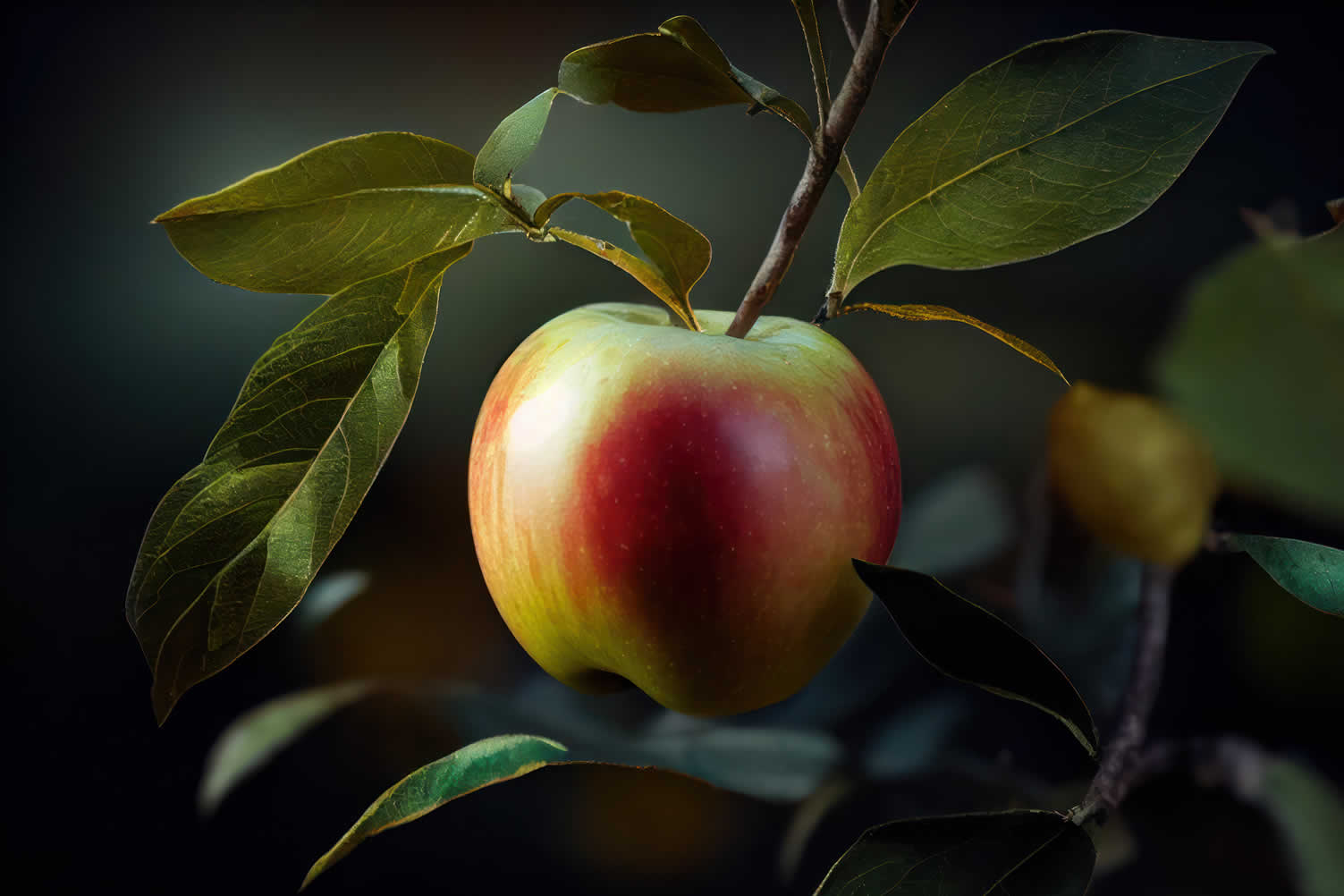

copyright image by 123rf.com
Increase Your Fruit Tree Bounty
Summary Outline:
Having a fruit tree in your yard or garden can be a wonderful addition to your landscape and can provide you with delicious, fresh fruit. However, caring for a fruit tree is not as simple as planting it and letting it grow on its own. It requires careful attention and maintenance to keep it healthy and productive.
In this comprehensive guide, we will discuss the essential steps that you need to take to properly care for your fruit tree. Let’s look at some of the key selection and caring steps for a fruit tree
- post content … w/ side notes
- first thing, What Kind Of Fruit Trees To Plant
- side note1: Choose the Right Location
- side note2: Get the Soil Ready
- side note3: Practice Proper Watering
- side note4: Pruning and Trimming
- side note5: Pest and Disease Management
- side note6: Fertilization
- side note7: Harvest Carefully
- conclusion
-
- —— begin first topic ——
-
first thing: What Kind of Fruit Trees to Plant
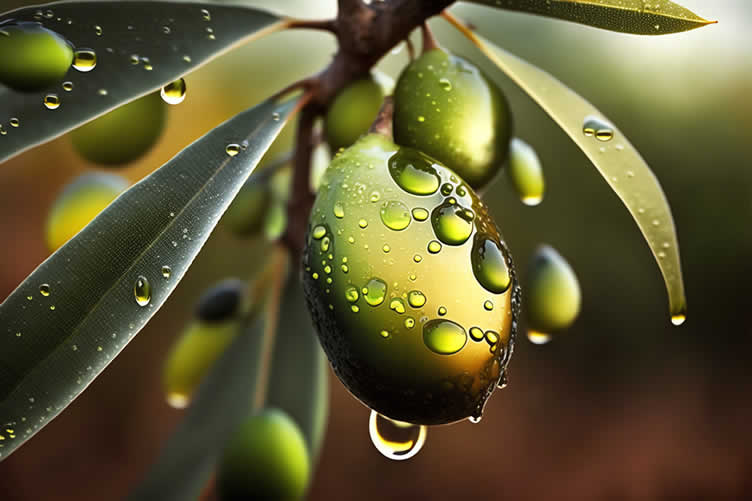
When it comes to planting fruit trees in your region, not all varieties will be suitable for your local climate. It is important to identify which types of fruit trees are best suited for your area and can thrive there with minimal effort. By doing so, you can maximize the success of your gardening efforts and enjoy fresh fruit for years to come.
When considering the best fruit trees for your region, a few factors should be taken into account. The first is environmental hardiness: certain species are better adapted to cold or hot climates than others.
Secondly, consider whether the tree requires full sunlight or partial shade. Finally, it is important to research the optimal soil types and moisture levels that will help your tree flourish.
Fruit Tree Growing Zones
google imagesFruit Tree Growing Zone info – best fruit trees zone 2 images – best fruit trees zone 3 images – best fruit trees zone 4 images – best fruit trees zone 5 images – best fruit trees zone 6 images – best fruit trees zone 7 images – best fruit trees zone 8 images – best fruit trees zone 9 images – best fruit trees zone 10 images Fortunately, there are many resources available to help gardeners determine which types of fruit trees are best suited for their region. Local botanical gardens may have experts who can advise on which varieties would be most successful in your area.
Additionally, online databases such as Gardenality provide detailed information on climate zones, soil conditions, and other key factors related to fruit tree planting. With the right knowledge and resources in hand, you can pick the ideal trees for your region and enjoy a bountiful harvest year after year.
copyright image by 123rf.com
Why Have Fruit Tree(s)
Fruit trees can provide an abundance of fresh, delicious fruit that not only tastes amazing but is also incredibly good for you. Eating fresh fruit provides essential vitamins and minerals that are integral to our health, as well as fiber which helps keep us full for longer and aids digestion.
Plus, growing fruit trees at home is beneficial to local pollinators, such as bees who rely on these trees for nectar sources during their active season. With proper care and attention, your own backyard orchard could become a major source of nourishment for you and your family!
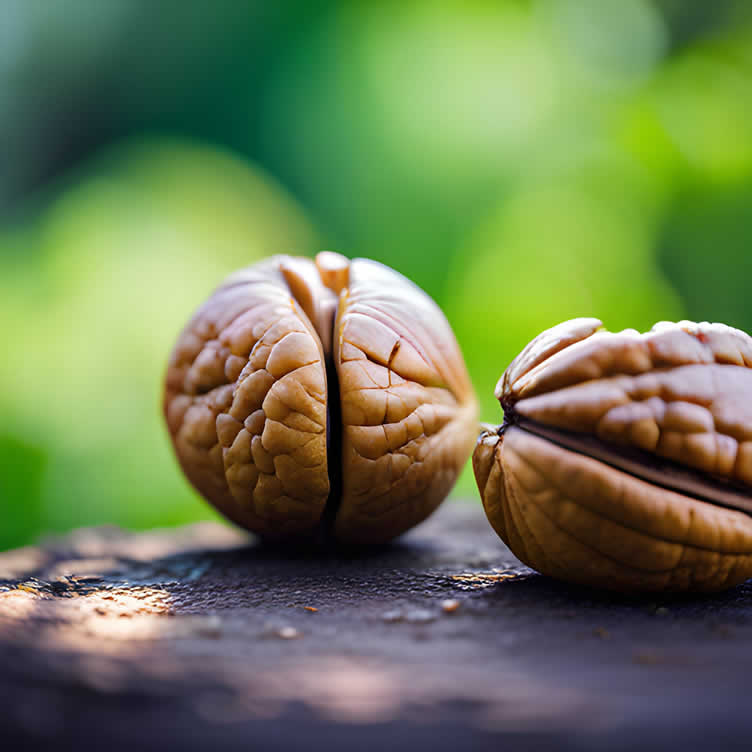
Varying types for fruit trees and nuts:

1st care tip: Choose the Right Location
The first step to proper fruit tree care is ensuring the tree is planted in the right location. Fruit trees require a lot of sunshine, so find a spot in your yard that gets plenty of light. Avoid areas with shade, as this can lead to poor fruit production.
When choosing a location for your fruit tree, it is important to make sure that it does not get too much direct sunlight as well. There should be no more than six hours of direct sun per day and the tree should ideally be protected from strong winds or other environmental factors which may cause stress or damage to the tree.
How To Grow Fruit Trees
google imagesStarting Fruit Orchard Diagram illustration – what to know diagram illustration – planting fruit trees diagram illustration How to Start an Orchard info – how to grow fruit trees info – starting berry picking info How to Start Small Orchard youtube – best place to grow fruit trees youtube A shielded area such as near a wall or fence can help to protect the tree from excessive sunlight or exposure to strong winds. Additionally, you should ensure that there is adequate space for your tree to spread its branches and leaves and have plenty of room to grow.

copyright image by 123rf.com
2nd care tip: Get the Soil Ready
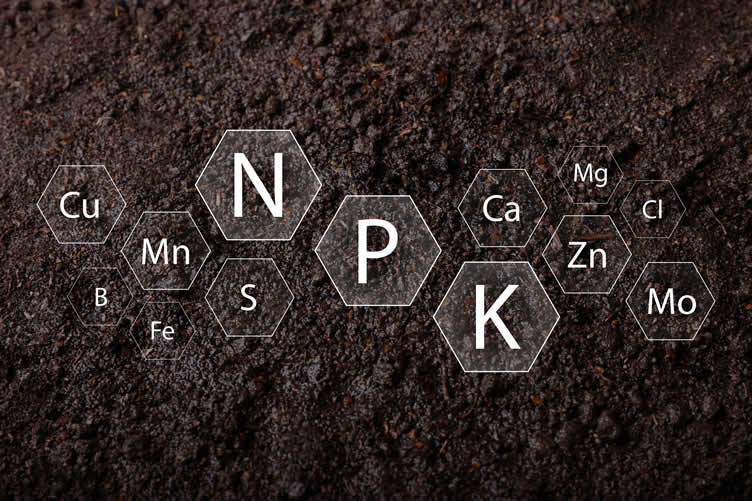
Soil is everything for a tree. The soil should have the right nutrients and pH levels to support the growth of the fruit tree. Before planting your tree, test the soil to determine its nutrient makeup and pH levels.
If the soil is deficient in any nutrients, it is crucial to add them to the soil before planting the tree. Depending on the type of fruit tree you are planting, different types of fertilizer may be required.
Organic fertilizers such as compost and manure can provide essential nutrients to the soil, while synthetic fertilizers can also work if that’s what you prefer. Make sure to spread the fertilizer evenly around the fruit tree’s root zone to ensure that the tree is receiving the right amount of nutrients.
Additionally, when adding fertilizer to existing trees, it should be applied in two or more applications throughout the growing season. This will help your fruit tree get a steady stream of nutrients and enable it to produce healthy fruit.
copyright image by 123rf.com
Understanding Soil Ph
Soil pH is a measure of the acidity or alkalinity in the soil. It is expressed as a measurement on the pH scale, which runs from 0 to 14 with 7 representing neutral. A low or acidic soil pH generally falls between 0-6 while an alkaline soil pH falls between 8-14.
Understanding the soil pH level of your garden is important for the health of your plants because different plants grow better at different levels of acidity and alkalinity.
-
Effects of Soil pH Level
The ideal pH range for most plants is 6-7, but some plants prefer more acidic soils and some prefer more alkaline soils.
For instance, blueberries prefer acidic soils with a pH range of 4-5; while azaleas prefer soils with a slightly higher acidic value, between 5-6.
The type of organisms that can live in your soil will also be affected by its pH value – microorganisms tend to thrive in acidic soils while earthworms and other small invertebrates like neutral or slightly alkaline conditions.
-
Testing and Adjusting Soil Acidic Levels
The best way to determine the precise level of acidity in your soil is to test it regularly using an electronic device that will give you exact readings of your soil’s pH level. If you find that your soil’s acidity level is too low or too high for the plant you’re cultivating, there are several ways to adjust it without resorting to chemical treatments.
Adding organic matter such as compost or manure will help bring down high alkaline levels while adding elemental sulfur can raise low acidic levels. You can also add lime if you need to raise an overly acidic soil reading and aluminum sulfate if you need to lower an overly alkaline reading.
By understanding and adjusting soil pH levels to match the plants you’re growing, you can ensure that your garden has optimal conditions for healthy plant growth. With proper testing and maintenance, you can have the perfect fruit orchard for years to come!

copyright image by 123rf.com
pH Soil Testers
viewing amazon3rd care tip: Practice Proper Watering
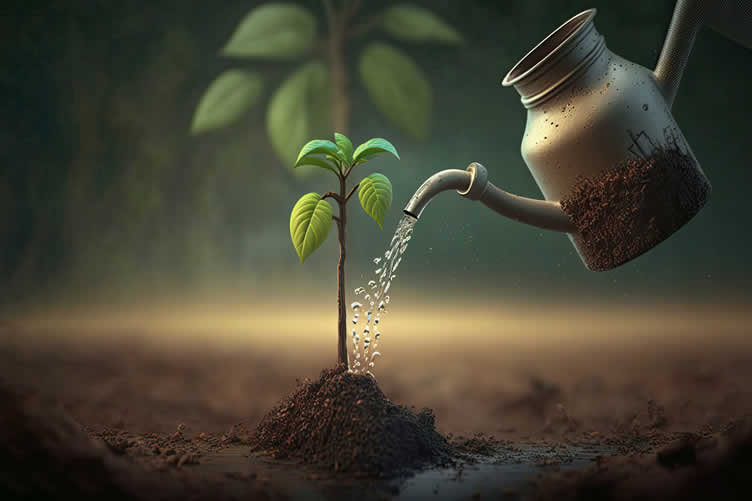
Watering your fruit tree is essential to its growth and productivity. How often you should water your tree depends on the climate in your area, the type of fruit tree, and the age of the tree. Newly-planted trees require more water than mature trees. Generally, fruit trees need one to two inches of water weekly.
However, be careful not to over-water the tree, as it can lead to root rot and other problems. If you end up over-watering, the soil around the tree may become soggy and even waterlogged at times. Additionally, leaves may start to yellow or wilt due to lack of oxygen in the soil from the excess moisture.
If you notice any of these signs, immediately reduce the amount of water you are giving your tree. Water only when the top inch or two of soil is dry, and consider using drip irrigation to help maintain moisture levels without over-watering.
copyright image by 123rf.com
Automate Watering Systems
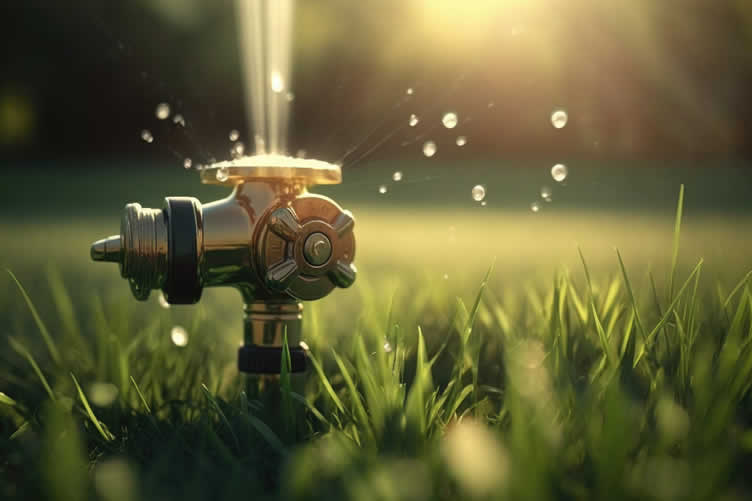
The most obvious benefit of installing an automated irrigation system for your garden and trees is the conservation of water. This type of system helps to conserve water by regulating the amount of water that is delivered to each plant, ensuring that it only gets the exact amount needed. It also eliminates over-watering and wasteful runoff, which can help to reduce water bills.
Additionally, automated systems are designed to detect moisture levels in the soil so that they can adjust their watering schedule accordingly. This means that plants will get just enough water without wasting any.
-
Save Time
Another significant advantage of having an automated irrigation system is saving time spent on watering them manually. With an automated system, you won’t have to worry about remembering when or how often to water your plants anymore – the system will take care of it for you!
This means more time spent enjoying your garden instead of tending to it.
-
Ease Of Maintenance
An automated irrigation system also helps reduce maintenance costs associated with manual watering systems. An automated system requires minimal maintenance since all its components are connected directly into your existing plumbing lines.
Additionally, these systems often come with advanced features such as rain sensors, which detect precipitation and automatically shut off the irrigation when necessary. This can help prevent any potential damage caused by over-watering during a storm or heavy rainfall period.
In short, an automated irrigation system is a great investment that offers numerous benefits such as water conservation, time savings, and reduced maintenance costs. With its convenience and cost-effectiveness, you can enjoy a maintainable garden with minimal effort.
copyright image by 123rf.com
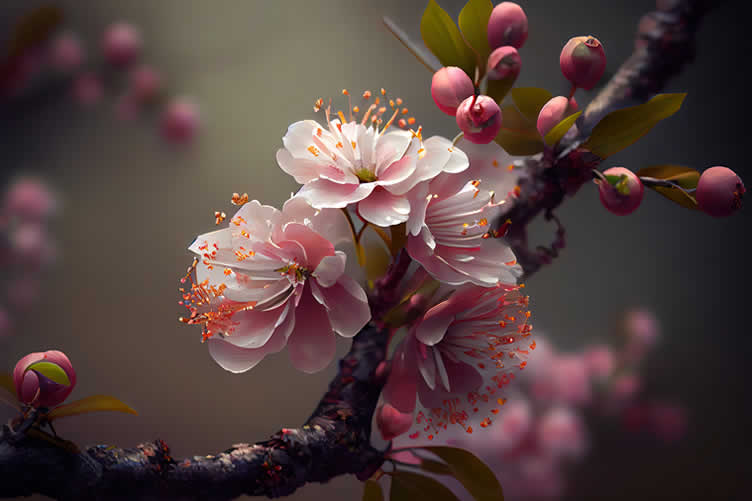
4th care tip: Pruning and Trimming
Pruning is an essential part of caring for your fruit tree. Through pruning, you can remove dead, diseased, or damaged branches, which can reduce the risk of pest infestations and diseases.
Additionally, pruning improves the tree’s structure, allowing for better air circulation and sunlight penetration, which promotes healthy growth. Pruning should be done in late winter or early spring.
If you are not sure how to properly prune your fruit tree, it is best to consult a professional who specializes in pruning. Professional arborists or horticulturists can provide advice on the best way to prune your particular type of fruit tree and can do the job for you if needed.
They will be able to guide you on the best techniques to prune your tree in order to encourage robust growth and healthy fruit production.
If you choose to do tree trimming yourself, be sure to use sharp, clean tools and make precise cuts for optimal results. Additionally, always be mindful of safety when climbing trees or using ladders in order to avoid injury.
copyright image by 123rf.com
Pruning Tools
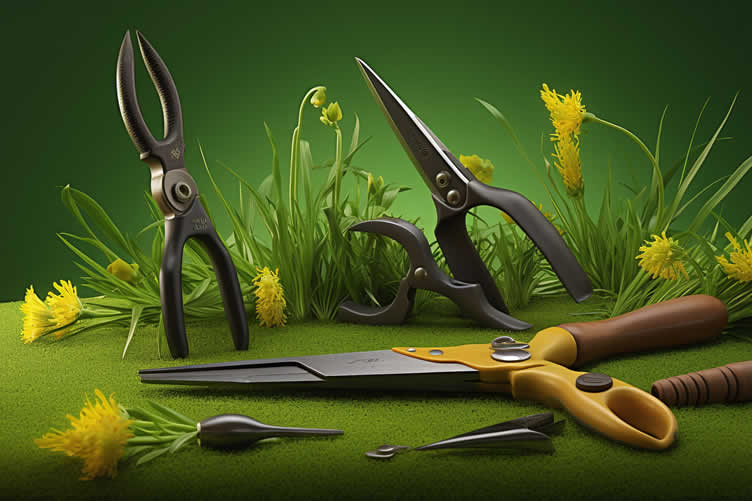
Pruning tools are essential for maintaining fruit trees to maximize their production. Pruning involves trimming back or removing parts of a tree, such as branches, buds, and leaves. Pruning can improve the health and size of a tree. It also helps control the shape of the tree.
The most common types of pruning tools include hand shears, loppers, pruning saws, and pole saws.
-
Hand Shears
Hand shears are small, hand-held scissors that are usually used to cut through small branches and twigs. Hand shears come in different sizes to accommodate larger or smaller branches.
They may have curved blades to make it easier to reach into tight spaces when trimming trees. Hand shears require minimal effort and are best suited for thin branches that are no more than one inch thick.
[ view samples: hand shears]
-
Pruning Snips
Pruning snips are small hand-held tools that feature a curved blade with a sharp tip. These tools are ideal for precision cutting of thin branches since they provide more control over where the cut is made than hand shears do.
Pruning snips are great for removing dead or damaged twigs and stems from a tree without having to damage any of the surrounding foliage. They can also be used to create neat, uniform cuts when harvesting fruit from trees.
[ view samples: pruning ships]
-
Loppers
Loppers are larger versions of hand shears that allow you to reach up higher and cut thicker branches with more leverage. Loppers have long handles that give you more reach when pruning trees, while still providing enough power to cut through thicker branches.
These tools come in different sizes depending on the size of the branch being trimmed; some loppers may even be able to handle branches as thick as two inches in diameter.
[ view samples: loppers]
-
Pruning Saws
Pruning saws are designed for cutting large branches that cannot be managed by hand shears or loppers alone. Pruning saws have long blades with sharp teeth that make it easy to cut through thick wood quickly and efficiently.
When using a pruning saw it is important to wear protective gloves since they can cause severe injuries if not handled properly.
[ view samples: pruning saws]
-
Pole Saws
Pole saws consist of a long pole with a saw blade on one end and handles on the other end for greater control when cutting high up in trees or bushes without having to climb all the way up into them.
Pole saws come with adjustable blades so you can choose one that best fits your needs depending on how thick the branch is you need to prune. Pole saws also provide better reach than other types of pruning tools, making them ideal for reaching taller sections of trees or bushes without having to use ladders or scaffolding.
By using the right tools, you can ensure that your fruit trees are pruned correctly and produce healthy fruits throughout the season. With proper care and maintenance, your fruit trees will stay healthy for many years to come.
[ view samples: pole saws]
copyright image by 123rf.com
Pruning Tools
viewing amazon5th care tip: Pest and Disease Management
Pests and diseases can pose a significant threat to your fruit tree’s health and productivity. To keep your tree healthy, you need to be vigilant for any signs of pests or diseases.
Common fruit tree pests include aphids, spider mites, and fruit flies, while common diseases include apple scab and fire blight.
There are various pest and disease management strategies you can use, including cultural practices, biological control, and chemical treatment. Practicing cultural practices involves regular pruning and sanitation.
Pruning off any diseased or dead branches can help reduce the number of pests in your tree, while also improving circulation, which helps prevent fungal infections.
Additionally, keeping your yard free of debris and weeds can help make it less attractive to pests.
copyright image by 123rf.com
What Type of Pest/Disease To Look Out For
As noted, fruit trees are often subject to pest infestations and diseases. Common fruit tree pests include aphids, caterpillars, scale insects, mealybugs, borers, moths, and leafhoppers. These pests feed on the foliage and fruits of fruit trees, weakening the tree’s health and reducing its fruit production.
Fruit trees are also susceptible to diseases caused by bacteria, fungi, viruses, or nematodes. Examples of common fruit tree diseases include fire blight caused by Erwinia amylovora bacteria; scab caused by Venturia inaequalis fungus; gummosis caused by Phytophthora cactorum fungus; and bacterial spotted wilt caused by a virus.
In addition to regular pruning and removal of dead branches, introducing beneficial insects and using appropriate fungicides or insecticides can help control fruit tree pests and diseases.
Types of fruit tree pests and diseases to watch out for include:
-
Apple Trees
Apple trees are particularly vulnerable to a wide range of pests and diseases. Common apple tree pests include codling moths, woolly apple aphids, and San Jose scale. Apple scab is one of the most common fungal diseases, causing characteristic dark spots on leaves and fruits.
Fire blight is another bacterial disease that can cause die-back of branches and defoliation of the tree.
-
Peach Trees
Peach trees are prone to various pests and diseases, such as the peach twig borer, Oriental fruit moth, and Monilinia fungus. The peach twig borer is a common pest that attacks the twigs of young trees, leaving empty tunnels behind. The Oriental fruit moth feeds on developing fruits and leaves characteristic caterpillar trails on the surface of the fruits.
Monilinia fungus can cause brown rot on both fruits and flowers, resulting in premature defoliation and reduced yields.
-
Pear Trees
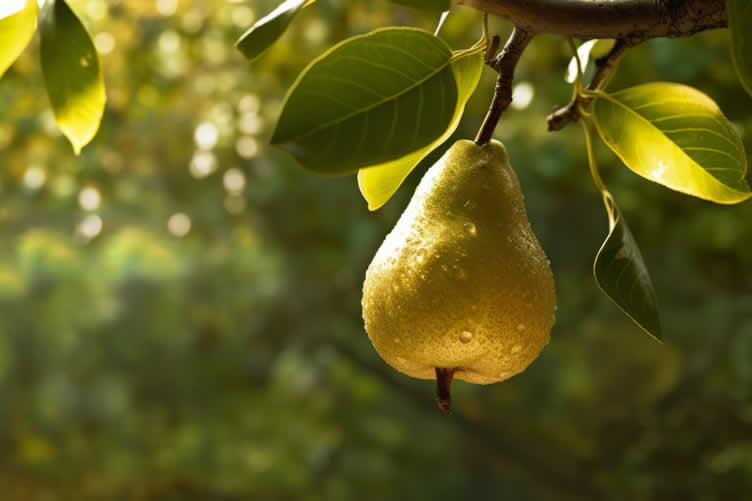
Pear trees can be affected by a variety of pests and diseases, including pear psylla, apple scab, and fire blight. Pear psylla is a common pest that can lead to the formation of sap-sucking galls on leaf surfaces, reducing photosynthesis and weakening the tree.
Apple scab, a fungal disease, can cause dark spots to form on foliage and fruits, eventually leading to premature defoliation. Fire blight is a bacterial disease that causes shoots and twigs to wilt and die back.
-
Plum Trees
Plum trees are prone to a wide variety of pests and diseases, including plum curculio, Japanese beetle, aphids, scale insects, and various fungal diseases such as brown rot, silver leaf disease, and powdery mildew. Plum curculio can cause damage to fruits in the form of crescent-shaped marks on the skin.
Japanese beetles feed on leaves and flowers causing discoloration and wilting of foliage. Aphids produce sticky honeydew which can lead to sooty mold growth. Scale insects feed on stems and leaves resulting in discoloration or yellowing.
Fungal diseases such as brown rot can cause premature fruit drop or rotting of fruits while silver leaf disease causes yellowing of leaves with light brown spots and powdery mildew produces white powder-like spots on leaves.
-
Apricot Trees
Apricot trees are vulnerable to pest and disease issues such as plum curculio, codling moth, aphids, and peach twig borer. These pests can feed on the leaves or fruits of apricot trees, causing damage such as crescent-shaped marks on the skin of the fruit, wilting of foliage, presence of sticky honeydew due to aphid infestation, and premature drop of fruits.
Fungal diseases such as brown rot, peach scab, and powdery mildew can also infect apricot trees resulting in discoloration or yellowing of leaves accompanied by white powder-like spots.
-
Cherry Trees
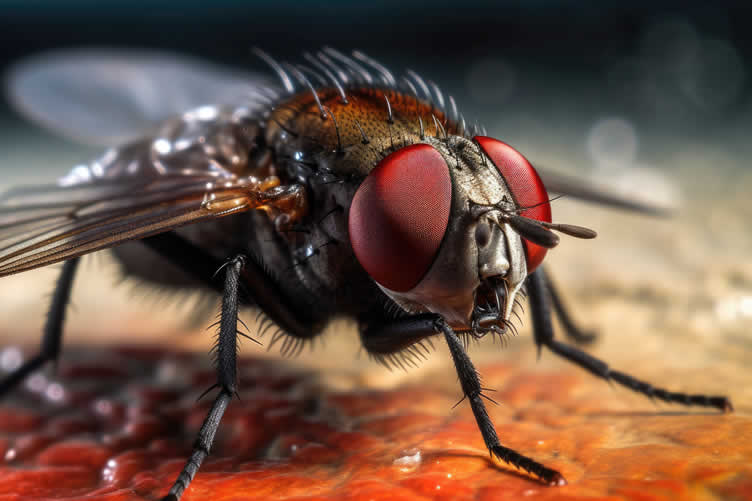
Cherry trees can be susceptible to a variety of pests and diseases, including cherry fruit fly, cherry leaf curl, and black knot. The cherry fruit fly is a common pest that lays its eggs in developing cherries, resulting in premature drop of the fruits.
Cherry leaf curl is a fungal disease that causes leaves to curl up and thicken before turning yellow or brown. Black knot is another fungal disease that causes branch galls to form on the trunk and branches of infected trees, eventually leading to dark knots on the bark which restrict water flow and weaken the tree.
-
Citrus Trees
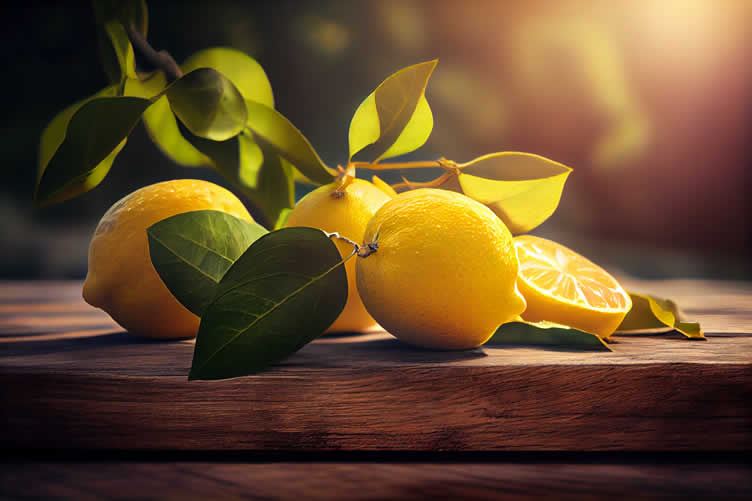
Citrus trees can be affected by pests such as citrus leafminers, thrips, and aphids, as well as diseases such as citrus greening, citrus canker, and root rot. Citrus leafminers feed on the leaves of the tree and cause them to curl up and become discolored.
Thrips are small insects that suck the sap from the leaves and fruits of citrus trees. Aphids are small, pear-shaped insects that attack the stems and leaves of citrus trees, causing a sticky residue to form on the surfaces which can lead to sooty mold growth.
Citrus greening is a serious bacterial disease that causes the yellowing of leaves and the production of hard, misshapen fruits. Citrus canker is another bacterial disease that causes lesions to form on the fruit skin leading to cracking or premature drop of fruits.
Root rot is a fungal infection that affects the roots of citrus trees, eventually leading to wilting or death of the tree if left untreated.
-
Nut Trees
Nut trees such as walnuts, hazelnuts, and almonds can be affected by various pests and diseases. Pests that commonly affect nut trees include caterpillars, aphids, mites, beetles, and weevils. These pests feed on the leaves or fruits of nut trees, leading to discoloration of the leaves or premature drop of fruits.
Diseases such as bacterial blight, walnut blight, and eastern filbert blight can also infect nut trees, resulting in wilting of branches or yellowing of leaves.
copyright image by 123rf.com
6th care tip: Fertilization
Fertilizing fruit trees is essential for optimal plant growth and fruit production. By providing the right nutrients in the soil, the tree can reach its full potential and provide an abundant harvest. Without adequate nutrition, a tree may not produce any fruit at all.
Fruit tree fertilizers are designed to provide trees with the necessary nutrients for maximum growth and productivity. Depending on the type of tree, different types of fertilizer may be needed. A soil test can help determine which soils need additional nutrition to optimize their performance.
Once you’ve determined which fertilizer is best for your tree, it’s important to apply it correctly and in the right amounts. Over-fertilizing can cause damage to a tree, so following instructions carefully is essential. Apply fertilizer in a balanced formulation in early spring, just before new growth starts.
It’s also important to use a slow-release fertilizer that will feed your fruit tree over a long period rather than being quickly washed away by rain or irrigation water.
copyright image by 123rf.com
Benefits of Fertilizing Fruit Trees
Fertilizing fruit trees provides essential nutrients that help promote growth and an abundant harvest. By giving fruit trees the right nutrients, you can ensure they are strong and healthy, while also increasing their yield.
Fertilizers provide important macro-nutrients such as nitrogen, phosphorus, and potassium, along with many other trace elements that are needed for maximum production.
Nitrogen helps to promote leafy green growth and increases the amount of sugar produced by the tree, which translates into bigger fruits. Phosphorus helps with root growth and flowers while potassium helps with disease resistance and the overall hardiness of the tree.
-
Types of Fertilizers
There are different types of fertilizers available to use on fruit trees depending on your needs. Organic fertilizers such as compost or manure provide a slow release of nutrients over time without any harsh chemicals.
Synthetic fertilizers provide a quick release of nutrients but may contain chemicals that can be harmful if not used correctly. Whatever type you choose, it is important to read directions carefully before applying them to your trees to maximize their effectiveness and minimize damage to your plants.
-
Application Tips
When applying fertilizer to your fruit trees, it is important to follow directions closely so that you do not cause harm to your plants or environment. Before fertilizing, make sure that your soil pH is at an appropriate level for optimal nutrient absorption; too much acidity or alkalinity will render the fertilizer ineffective.
Additionally, pay attention to how often you apply fertilizer; too much will cause burn spots on leaves and roots while too little will leave your tree deficient in nutrients necessary for healthy growth and production.
Finally, water thoroughly after application so that the fertilizer gets deep down into the soil where it can be easily absorbed by the roots.

copyright image by 123rf.com
7th care tip: Harvest Carefully
When it’s finally time to harvest your fruit, handle it with care. Use pruning shears or a sharp knife to cut the fruit, being careful not to damage the branches or fruit buds.
Store your fruit in a cool, dry place, ideally in a single layer to prevent bruising. Use or preserve your fruit as soon as possible for the best flavor and texture.
copyright image by 123rf.com
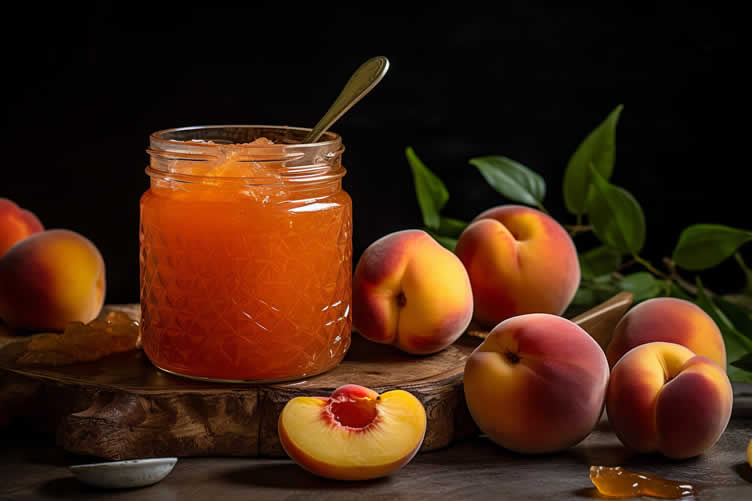
About Canning Fruit Harvest
Canning food preserves it by removing air from a sealed container and then heating the contents to a temperature that destroys any microorganisms that may cause spoilage. Depending on what type of product you are creating, there are two methods for canning: water bath canning and pressure canning.
Water bath canning is used for fruits, tomatoes, pickled vegetables, jams & jellies, and other high-acid foods. Pressure canning is used for low-acid foods like most vegetables and meats.
Both processes involve sterilizing jars before filling them with ingredients; however, they each require unique steps for sealing the jars once filled.
-
Preparing Your Product
Once you have chosen which method of canning you will use and gathered all necessary supplies like jars, lids, rings/bands, etc., prepare your ingredients according to your recipe before filling the jars.
This includes washing produce thoroughly before peeling/slicing/dicing as needed; boiling liquid if making syrup or juice; adding sugar, vinegar, or salt if called for in a pickling recipe; etc.
After all ingredients have been prepared according to recipe specifications and heated (if needed), fill each jar with ingredients leaving the appropriate head-space (the amount of space between the top of the food and the lid) as listed in your recipe instructions.
Wipe rims clean before affixing lids tightly onto jars using bands/rings so lids remain secure during processing in a hot water bath or pressure cooker.
-
Processing the Jars
The final step is to process your filled jars. This includes submerging them in hot boiling water (for water bath canning) or placing them into a pressure cooker (for pressure canning).
Once complete, allow jars to be set undisturbed for a period specified by recipe instructions before checking seals and storing them away.
Canning your fruits and vegetables from your harvest will not only provide you with food that you can use year-round but also give you the satisfaction of knowing exactly what’s inside each jar!
copyright image by 123rf.com
Canning Kits and Jars
viewing amazonKey Takeaway
Caring for a fruit tree requires consistent attention and maintenance to promote healthy growth and high productivity.
- With proper soil preparation, watering, pruning, pest and disease management, and fertilization, you can ensure that your fruit tree thrives. We hope this comprehensive guide has given you the knowledge you need to care for your fruit tree effectively.
- Enjoy the harvest!
Quik scroll to more in the yard ‘n garden ideas …

ideas to view and compare from the photo above
- What comments can you share about
the how to properly care for a fruit tree?addressing yard n’ garden needs like planting and caring for a fruit and other trees … … grab this directory of ideasplan the specs you need for …
garden design and styling
you find services
below for …
garden setup and maintenance how to pay for fruit tree orchard and other landscaping …
view illustration “becoming a bank”


Find Yard n’ Garden Services Landscape Design Sprinkler Systems Metal Work Water Features Gazebos Play Equipment Outbuildings Fences top-rated, pre-screened local contractors FREE: download contractor selection enter zip code – powered by HomeAdvisor ™
Quick Contractor Guides selecting negotiating working with inspecting

Cover image credit: how to properly care for a fruit tree by 123rf.com
end of post … please share it!
 |
did you find this fruit tree planting and care analysis helpful? If so, please share the article with your friends and family! |
Nice pic idea? Leave us a quick comment below.
And please share this pic idea within your social networks.
Amazon Affiliate Disclosure: LetsRenovate.com is a participant in the Amazon Services LLC Associates Program, an affiliate advertising program designed to provide a means for sites to earn advertising fees by advertising and linking to Amazon.com. The commission earnings are used to defray our cost of operation.
View our FTC Disclosure for other affiliate information.