Quick Answer:
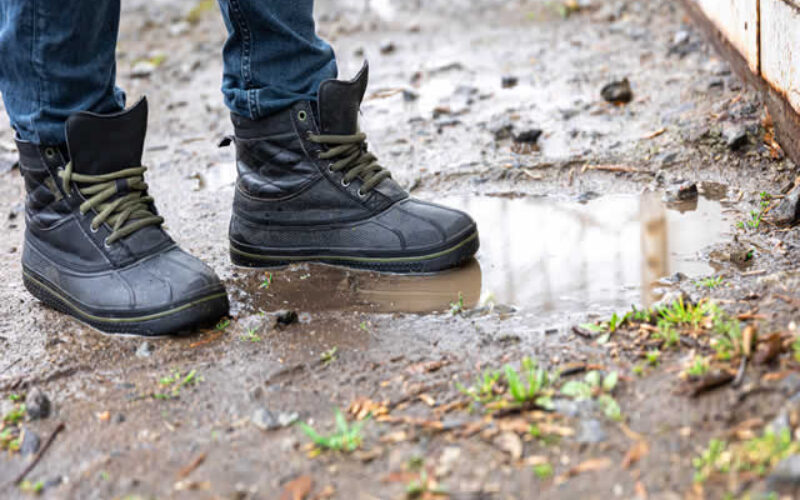
Water pooling around your foundation usually means poor grading, clogged gutters, or saturated soil that can’t drain properly. Left unaddressed, standing water creates hydrostatic pressure that pushes against your foundation walls and slab, leading to cracks, basement moisture, and mold. Fixing the grading, extending downspouts, and installing a French drain or sump pump are the most reliable long-term solutions.
The soil beneath your house holds onto water longer than you might expect, and that trapped moisture doesn’t stay put. It pushes, seeps, and searches for the weakest point in your foundation to get in.
The good news is that foundation water pooling is one of the most fixable problems a homeowner can face. With the right combination of grading, drainage, and a bit of ongoing care, you can protect your home’s structural integrity and your peace of mind for years to come.
This guide walks through why water collects around foundations, the risks of letting it linger, and the solutions that actually work—so you can address the puddle before it becomes a problem.
- post content
- Why Water Pools Around Your Foundation
- The Risks Of Ignoring Foundation Water Issues
- How To Assess Your Foundation Drainage Problem
- Effective Solutions For Foundation Water Management
- Long-Term Prevention Strategies
- conclusion
- FAQs
- view table:content summary
- view notes:collective tips
- view analysis:Is Your Yard a Swamp? Home Drainage System
- view ideas:latest remodeling analysis
Why Water Pools Around Your Foundation
Water pooling around a foundation is rarely random. It’s the result of soil, slope, and drainage systems working against each other instead of together. Most homes are built with soil graded to slope away from the foundation, but that grading settles over time, sometimes tilting back toward the house instead of away from it.
Soil composition plays a bigger role than most homeowners realize. Clay-heavy or organic soils hold water far longer than sandy soil, staying saturated well after a storm has passed.
According to NOHMIS Design, Engineering & Inspections, water seeks its own level—so if the soil at the surface is saturated, the soil beneath your concrete slab foundation is saturated too (NOHMIS, 2026). That saturated ground beneath your home is where the real trouble begins.
-
Common culprits behind foundation pooling
A few conditions tend to show up again and again: gutters that dump water right at the foundation instead of carrying it away, downspouts that are too short, negative grading that channels water toward the house, and aging or cracked irrigation lines that quietly saturate the soil below.

The Risks Of Ignoring Foundation Water Issues
It’s easy to underestimate a puddle. But when water sits against a foundation, it exerts hydrostatic pressure—a real, physical force pushing against your home’s walls and slab. Water weighs approximately 62 pounds per cubic foot, and saturated soil pressing against a foundation can generate significant, sustained force (NOHMIS, 2026).
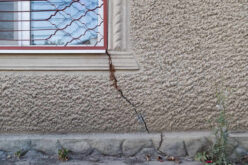
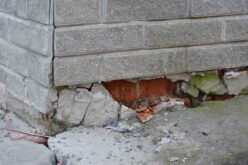
Residential foundations are built to bear weight from above, not resist pressure pushing up or in from below, which is exactly why prolonged pooling causes cracks, bowing walls, and slab failures over time.
Moisture that finds its way indoors brings a second risk: mold. Water intrusion left unaddressed for more than 48 hours can lead to mold growth, according to StormWrappers (2025), and mold exposure has been linked to allergic reactions, respiratory irritation, and in more severe cases, chronic health issues (Budget Dry Waterproofing, 2025).
There’s also a financial risk lurking here. Basement water damage can reduce a home’s value by 5% to 30% depending on severity, and professional remediation for active moisture problems typically runs between $8,000 and $15,000 (Foundation ResQ, 2026).
Nationwide, an estimated 11.8 million homes report exterior water leakage each year, which puts this problem in good company—but that doesn’t make it any less worth solving early (Foundation ResQ, 2026).
more info below
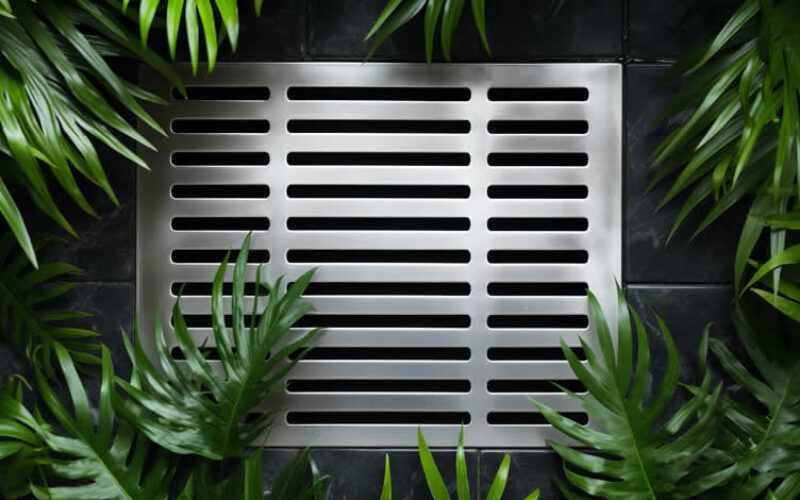
Is Your Yard a Swamp? Master Your Home Drainage System
Water is life-giving for our gardens, but when it flows uncontrolled around our homes, it becomes a force of destruction that can compromise foundations, ruin landscaping, and turn basements into indoor pools.
How To Assess Your Foundation Drainage Problem
Before reaching for a shovel or calling a contractor, take some time to observe your property after the next rainfall. Look for water that lingers near the foundation for more than a few hours, soft or spongy ground close to the house, or visible cracks in your foundation walls or slab. Inside, watch for musty odors, peeling paint, or discoloration on basement walls.
-
When a DIY fix is enough
Minor pooling caused by a clogged gutter or a short downspout is often something you can resolve yourself over a weekend. Clearing debris, extending downspouts, and regrading a small section of soil can make a noticeable difference.
-
When to call in a professional
Persistent ponding, cracks that seem to be growing, or moisture appearing inside your home are signals that it’s time to bring in a structural or drainage professional. A percolation test can measure how quickly your soil absorbs water, giving an engineer the data needed to properly size a drainage solution instead of guessing.
Effective Solutions For Foundation Water Management
Once you’ve identified the cause, a few tried-and-true fixes address most foundation water problems.
-
Correct the grading
Soil around your home should slope away from the foundation at a rate of about six inches over the first ten feet. Adding and compacting soil near the foundation is often enough to redirect water where it belongs.
-
Upgrade gutters and downspouts
Clean gutters twice a year and extend downspouts at least six feet from the foundation to keep roof runoff from adding to the problem (StormWrappers, 2025).
-
Install a French drain
A French drain is a gravel-filled trench with a perforated pipe that intercepts groundwater before it reaches your foundation. Installation typically costs between $25 and $50 per linear foot, and a properly sized system, often filled with clean, angular gravel offering 30 to 40 percent void space, can carry water away efficiently for years (StormWrappers, 2025; NOHMIS, 2026).
-
Add a sump pump
In homes with a high water table or a history of basement moisture, a sump pump gives water that has already entered a way out, pumping it safely away from your home before it can cause damage.
Long-Term Prevention Strategies
Fixing the immediate problem is only half the job. Keeping your foundation dry for the long haul takes a little seasonal attention. Walk your property after heavy storms and again as the seasons change, checking that grading hasn’t shifted and that drainage systems are still flowing freely.
Thoughtful landscaping helps too. Planting beds and vegetated swales that encourage natural infiltration reduce runoff, while keeping tree roots and dense shrubs a reasonable distance from your foundation prevents root systems from disrupting drainage lines.
If your property was built on fill soil with a history of poor drainage, a geotechnical engineer can test the soil composition and confirm whether additional remediation is warranted.
Preventing Foundation Problems
Preventing foundation problems is a critical step in maintaining the safety and stability of your home.
Issues such as cracks, uneven settling, or poor drainage can lead to severe structural damage if left unchecked.
Regular maintenance, like ensuring proper water drainage away from your home and addressing soil shifts, can save you from costly repairs over time. A strong foundation not only keeps your home secure but also preserves its value and ensures peace of mind for years to come.
view ideas: Tips for Homeowners (new win)

Protect Your Home: Taking Action Today
A puddle by your foundation might seem small, but it carries the potential for real structural and financial consequences if it’s left alone. The encouraging part is that most foundation water issues respond well to a thoughtful, layered approach: correcting the grade, keeping gutters clear, and installing drainage systems suited to your soil and site.
If you’ve noticed water lingering near your home after every storm, don’t wait for a crack to appear before taking action. A quick inspection now, whether it’s your own weekend walkaround or a professional assessment, can save you from a far more expensive repair later.
Your foundation supports everything you’ve built your life around—giving it the drainage it needs is one of the kindest things you can do for your home.
Frequently Asked Questions
-
Why does water pool around my foundation after every rain?
Water pools around a foundation when the surrounding soil is graded incorrectly, gutters and downspouts release water too close to the house, or the soil itself drains poorly due to clay or organic content.
-
How long can water sit around my foundation before it becomes a problem?
Water intrusion left unaddressed for more than 48 hours can lead to mold growth, so pooling that lasts more than a day after a storm should be addressed promptly (StormWrappers, 2025).
-
What is hydrostatic pressure and why does it matter?
Hydrostatic pressure is the upward or lateral force created when saturated soil presses against a foundation wall or slab. Since water weighs approximately 62 pounds per cubic foot, this pressure can crack and weaken foundations not designed to resist it (NOHMIS, 2026).
-
How much does it cost to install a French drain?
French drain installation typically costs between $25 and $50 per linear foot, depending on the length of the system and site accessibility (StormWrappers, 2025).
-
Can I fix foundation water pooling myself?
Minor issues, like clogged gutters or short downspouts, are often DIY-friendly. Persistent pooling, foundation cracks, or interior moisture usually call for a professional drainage or structural assessment.
-
Do I need a sump pump if I already have gutters and grading fixed?
Not always. A sump pump is most useful in homes with a high water table or chronic basement moisture. If surface fixes resolve the pooling, a sump pump may not be necessary.
-
How does foundation water damage affect home value?
Basement water damage can reduce a home’s value by 5% to 30% depending on severity, since buyers often view moisture issues as signs of hidden structural risk (Foundation ResQ, 2026).
-
What are the health risks of ignoring basement moisture?
Persistent dampness supports mold growth, which has been linked to allergic reactions, respiratory irritation, and in severe cases, chronic health issues (Budget Dry Waterproofing, 2025).
-
When should I call a structural engineer instead of a landscaper?
If you notice growing cracks, water intrusion inside your home, or ponding that persists regardless of grading changes, it’s time to bring in a structural or geotechnical professional rather than relying on landscaping fixes alone.
home improvement ideas to consider (complete directory – new win):

| Section | Description | Key Points | Additional Notes |
|---|---|---|---|
| Introduction | Discusses the causes and risks of water pooling around home foundations. | Poor grading, saturated soil, and clogged gutters lead to pooling. Prolonged pooling causes structural issues like cracks and promotes mold growth. | Long-term solutions include proper grading, extending downspouts, and drainage systems like French drains or sump pumps. |
| Why Water Pools Around Foundations | Explains the reasons behind water collecting near foundations, including soil and drainage factors. | Negative grading slopes water toward foundations. Clay-rich soil holds moisture longer, leading to saturation beneath the slab. | Addresses common culprits such as short downspouts, improper slopes, and aging irrigation lines. |
| Risks of Ignoring Water Issues | Breaks down dangers of prolonged water pooling, focusing on structural and health impacts. | Hydrostatic pressure from saturated soil causes cracks and bowing walls. Mold growth from water intrusion can harm health. | Financial impact includes reduced home value and expensive remediation costs, ranging from $8,000 to $15,000 for severe cases. |
| Assessing the Problem | Guides homeowners on how to evaluate foundation water problems. | Signs to check include persistent water pooling, soft soil, indoor odors, and peeling paint. DIY fixes may address minor issues. | Recommend professional help for major concerns like cracks or persistent pooling despite minor drainage repairs. |
| Effective Solutions | Details practical methods to manage water pooling around foundations effectively. | Solutions include correcting grading, installing French drains, and using sump pumps. Gutters and downspouts play a crucial preventative role. | French drain installation costs $25-50 per linear foot. Sump pumps are vital in homes with high water tables. |
| Long-Term Prevention | Focuses on maintaining proper drainage and preventing future foundation water issues. | Seasonal maintenance of grading and drainage systems is crucial. Thoughtful landscaping helps reduce runoff and root interference. | For properties with poor soil composition, geotechnical testing may be required to verify remediation needs. |
| FAQs | Provides answers to common questions regarding water pooling near foundations. | Topics include causes of pooling, risks of ignoring issues, costs of solutions, and when to involve professionals. | Mold growth, hydrostatic pressure, and home value impacts highlight the importance of early intervention. |

Find Exterior Home Services Garage Doors Roofing Siding Waterproofing Driveways Walkways top-rated, pre-screened local contractors FREE: download contractor selection Steps Concrete Chimney Landscape Design Foundations Water Features enter zip code – powered by HomeAdvisor ™


Image credit: water pooling around your foundation by envato.com
end of post … please share it!
| more photo remodeling |
Jump Over to Our Photo Analysis Center for Ideas on
"Renovating Home"
|__________________________________________________________|
home remodeling surprise
find out where it might go - new win


Helpful article? Leave us a quick comment below.
And please share this article within your social networks.