
Old metal stairs have a certain charm, especially when their decorative railings or distinctive ironwork complement an older home. Unfortunately, years of foot traffic and moisture exposure can leave even a beautiful staircase showing its age. Rust begins creeping along the edges, paint starts peeling, and familiar steps may develop an unsettling wobble.
Before planning a makeover, homeowners should understand what to check before repairing old metal stairs. Some problems need little more than surface preparation and fresh paint, while others indicate damage that could affect the staircase’s safety.
The challenge lies in knowing which repairs will preserve the existing structure and when replacing damaged components makes more sense. A careful assessment can prevent homeowners from spending money on cosmetic improvements that conceal larger problems.
1. Determine How Much Rust Has Developed
Understand the Difference Between Surface Rust and Structural Corrosion
Rust often provides the first visible sign that a metal staircase needs attention. Outdoor stairs face constant exposure to changing weather, while indoor staircases may develop corrosion when moisture accumulates around their supports.
Light surface rust typically appears as reddish-brown discoloration. When the underlying metal remains sound, homeowners may be able to remove the corrosion and apply a protective finish.
Deeper corrosion deserves greater attention. Metal that flakes apart or develops pronounced pits may have lost some of its original thickness. This deterioration can weaken components that support the staircase.
Examine the undersides of treads and areas where metal sections connect. These locations can collect moisture while remaining difficult to see during everyday use.
If the metal shows substantial deterioration, arrange a professional assessment before attempting repairs. Painting over severely corroded areas won’t restore their original strength.
2. Check Whether the Staircase Still Feels Stable
Pay Attention to Loose Connections and Unusual Movement
An older staircase may look sturdy while developing problems around its connections. Repeated use can loosen mechanical fasteners, while corrosion may weaken joints that once held the structure securely.
Look for visible gaps around stair treads and examine railings for movement. A handrail that shifts noticeably deserves attention because people rely on it for support.
Welded connections also require inspection. Cracks around a weld can indicate damage that extends beyond ordinary surface wear.
Avoid testing questionable stairs by repeatedly placing weight on unstable areas. If the structure moves unexpectedly or shows signs of substantial damage, restrict access until a qualified professional evaluates it.
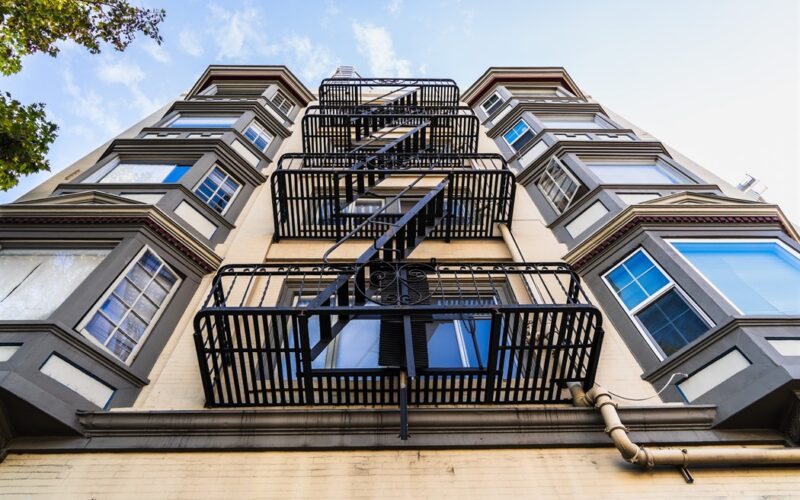
Exterior emergency staircases require particular attention because occupants may depend on them during an evacuation. Property owners can benefit from annual fire escape inspections that identify structural deterioration before problems compromise safe access.
Inspection requirements vary by location and building type, so review local regulations before arranging repairs.
3. Decide Which Parts Need Repair or Replacement
Avoid Treating Every Problem as a Painting Project
Once you understand the staircase’s condition, consider which components can remain in place. A structurally sound staircase with peeling paint may need refinishing, while damaged treads could require replacement.
Metal stairs often contain separate components that contractors can repair individually. However, whether replacing a particular section is feasible depends on the staircase’s construction and the condition of surrounding supports.
For example, a corroded tread may appear easy to replace, but its connections could also show deterioration. Replacing the visible step without addressing weakened supports may leave the underlying problem unresolved.
A qualified metalwork contractor can examine these details and recommend appropriate repairs. Some projects may require welding, while others involve replacing mechanical fasteners or fabricating new components.
Homeowners should also consider whether the proposed repairs will preserve the staircase’s original appearance. Matching decorative ironwork can require specialized fabrication, particularly in older properties.
Discuss these details before work begins to avoid unexpected changes to the finished staircase.
4. Prepare the Metal Properly Before Refinishing
Give Protective Coatings a Suitable Surface
When the staircase remains structurally sound, refinishing can improve its appearance and protect exposed metal from further corrosion.
Start by examining the existing coating. Peeling paint and loose rust can prevent new finishes from adhering properly, making surface preparation an important part of the project.
Wire brushing or other appropriate cleaning methods may remove light corrosion. However, older painted staircases deserve extra caution because some historic coatings contain lead.
Homeowners should investigate potential lead-paint hazards before disturbing old finishes. Professional testing and appropriate removal methods may be necessary, particularly in older homes.
After preparing the surface, select a primer suitable for the staircase’s metal and exposure conditions. Follow the coating manufacturer’s instructions for application and drying times.
Exterior stairs generally need finishes that can tolerate outdoor moisture and temperature changes. Indoor staircases may have different coating requirements depending on their environment.
Pay attention to tread surfaces as well. A glossy finish may look attractive, but stairs need suitable slip resistance for safe everyday use.
5. Prevent Moisture From Damaging the Repairs
Identify Why Rust Developed in the First Place
Fresh paint can make an aging staircase look considerably better, but corrosion may return if the surrounding conditions remain unchanged.
Outdoor stairs often develop rust where rainwater collects around joints or beneath horizontal surfaces. Nearby drainage problems can make these areas particularly vulnerable.
Check whether water flows away from the staircase after rainfall. If puddles regularly form around its base, improving drainage may help reduce future exposure.
For indoor stairs, investigate nearby plumbing leaks or persistent condensation. Even small amounts of moisture can contribute to corrosion when they remain against metal surfaces.
Regular maintenance can also make a difference. Removing leaves and other debris from exterior steps prevents materials from trapping moisture against protective coatings.
Inspect the staircase periodically for scratches or chipped paint. Addressing minor coating damage before rust spreads can help preserve your renovation results.
Consider the Staircase’s Long-Term Safety
Know When Professional Help Makes Sense
Some homeowners feel comfortable cleaning surface rust or repainting sound metalwork. Structural repairs, however, require a different level of expertise.
A contractor who specializes in metal staircases can assess damaged connections and determine which components need replacement. They can also evaluate whether proposed changes must meet current building requirements.
This matters when renovating older staircases because existing dimensions may differ from modern standards. Changes to handrails or stair geometry can introduce code considerations that homeowners might overlook.
Before authorizing major repairs, ask the contractor to explain the proposed work and identify any permits or inspections the project requires.
Give Your Metal Staircase a Safer Future
Knowing what to consider before repairing old metal stairs helps homeowners approach renovation with realistic expectations. A staircase that looks tired may still have years of useful life ahead, as long as its structure remains sound.
Careful repairs can preserve attractive original details while addressing the wear that develops over time. When corrosion affects the staircase’s strength, professional evaluation should guide the next steps.
With appropriate repairs and ongoing maintenance, an older metal staircase can remain an attractive feature of the home without sacrificing the safety of everyone who uses it.
Image Credentials: By Sundry Photography, 301264886
|__________________________________________________________|
home remodeling surprise
find out where it might go - new win


Helpful article? Leave us a quick comment below.
And please share this article within your social networks.