Quick Answer:
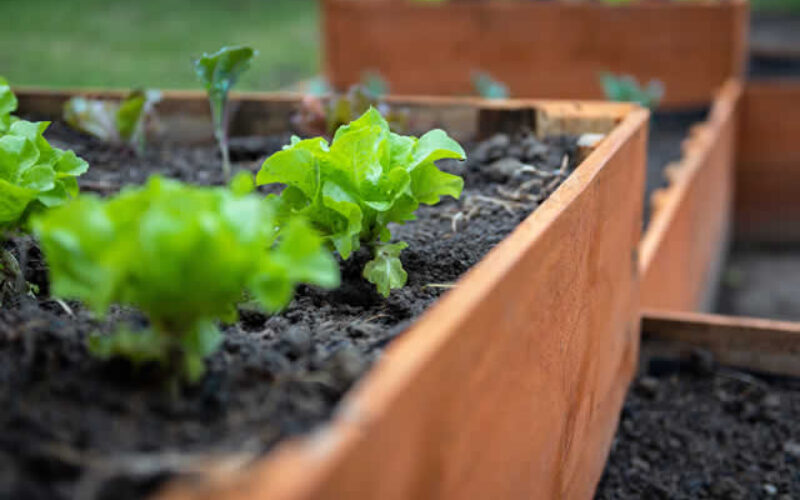
Raised-bed gardens solve soil, drainage, and accessibility problems that stump traditional in-ground plots, and planning your layout, materials, and location this fall or winter sets you up for a thriving spring harvest. Start by choosing a sunny site, sketching bed dimensions, and sourcing rot-resistant materials before the ground thaws.
If you’ve been eyeing that patch of lawn and wondering whether it could become something more useful, now is the moment to plan.
Planning ahead matters more than most gardeners realize. Spring arrives with a rush of tasks: seed starting, soil amending, and the scramble to get plants in the ground before the window closes.
Designing your raised-bed garden now, while the pressure is off, means you can source quality lumber, test your soil, and map out your layout without rushing a single decision.
This guide walks through everything you need to plan a raised-bed garden that balances beauty, productivity, and sustainability—so that when spring arrives, you’re planting instead of scrambling.
- post content
- Why Raised-Bed Gardens Are Ideal For Modern Homeowners
- Designing Your Raised-Bed Garden Layout
- Essential Materials And Construction Considerations
- Selecting The Right Location For Maximum Productivity
- Preparing Your Soil For Optimal Plant Growth
- Sustainability Benefits Of Raised-Bed Gardening
- Getting Started: Action Steps For Spring Implementation
- Transform Your Outdoor Space This Spring
- FAQs
- view table:content summary
- view notes:collective tips
- view analysis:Elevate Outdoor Space with Stunning Garden Beds
- view ideas:latest remodeling analysis
Why Raised-Bed Gardens Are Ideal For Modern Homeowners
Raised-bed gardening fits the way modern homeowners actually live. A raised bed can be built in a strip of side yard, a corner of a patio, or a converted section of lawn, which means you don’t need acreage to grow meaningful amounts of food.
The contained footprint also lets you fit more growing space into less area, since you’re not wasting ground on the wide walking paths a traditional row garden requires.
Soil quality is where raised beds really earn their reputation. Instead of battling compacted clay or sandy, nutrient-poor native soil, you fill the bed with a custom blend suited to what you’re growing. That control extends to drainage too—raised beds shed excess water far more efficiently than ground-level plots, which matters enormously during a wet spring.
Accessibility is another underrated benefit. A bed built at 18 to 24 inches tall means gardeners with joint pain, limited mobility, or just a dislike of kneeling in the mud can tend their plants comfortably.
Families with young children also find raised beds easier to supervise and keep tidy, since the frame creates a natural boundary.

Designing Your Raised-Bed Garden Layout
Before you buy a single board, spend time studying your yard. Track sunlight across a full day if you can—most vegetables need at least six hours of direct sun, and shady corners that look fine in April can disappoint by July once trees leaf out fully.
Note where water pools after rain, since soggy ground will undermine even a well-built bed.
Standard raised beds run 4 feet wide, which lets you reach the center from either side without stepping into the soil and compacting it. Length is more flexible—8 feet is common, but you can scale up or down based on your space. Leave at least 2 to 3 feet between beds for comfortable walking and, ideally, wheelbarrow access.
-
Planning Crop Rotation And Companion Planting
Even in a small raised-bed system, rotating plant families season to season helps prevent soil-borne diseases and nutrient depletion. Pair this with companion planting—tomatoes near basil, carrots near onions—to naturally deter pests and make efficient use of vertical and horizontal space within each bed.
more info below
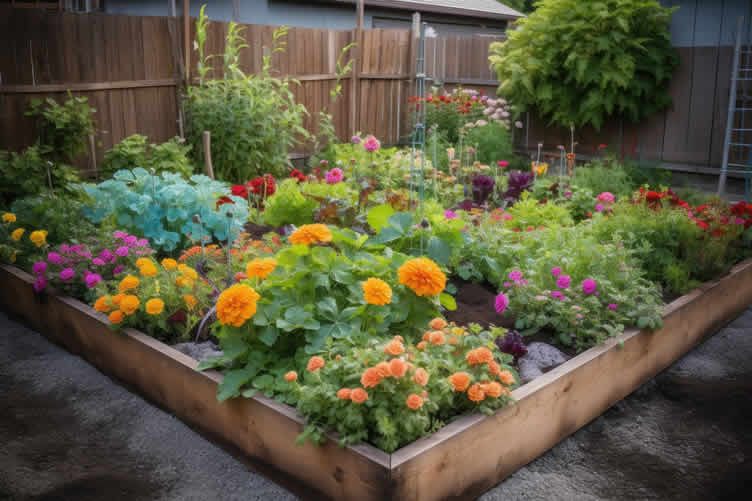
Elevate Your Outdoor Space with Stunning Garden Beds
Transforming your outdoor space can significantly enhance the beauty and functionality of your home. One of the most impactful ways to achieve this is through the creation of stunning garden beds.
Essential Materials And Construction Considerations
Material choice determines how long your beds last and what they’ll cost. Untreated cedar and redwood resist rot naturally and are safe for food crops, though they carry a higher upfront price.
Pressure-treated lumber manufactured after 2004 no longer contains the arsenic compounds used in older treatments, making it a safer budget option than it once was, though many gardeners still prefer to line beds with landscape fabric as an extra precaution.
Galvanized steel panels and composite lumber have both grown in popularity for their durability and low maintenance, while concrete blocks or natural stone offer a permanent, low-cost alternative if you’re comfortable with a more rustic look.
-
Foundation Preparation And Soil Composition
Clear the planting area of grass and weeds, then lay down a layer of cardboard or landscape fabric to suppress regrowth before filling the bed. This simple step saves significant weeding effort later in the season.
Selecting The Right Location For Maximum Productivity
Location decisions made now will affect every harvest to come, so weigh them carefully. Vegetables and herbs are sun-hungry—leafy greens tolerate partial shade, but fruiting crops like tomatoes and peppers need six to eight hours of direct sunlight to produce well.
Choose a spot within easy reach of a hose or irrigation line; a bed that’s inconvenient to water tends to get neglected during the dry stretches of summer.
At the same time, consider wind exposure—a location shielded by a fence or hedge protects tender seedlings without blocking essential sunlight, and avoid placing beds directly beneath large trees, which compete for both light and water.
Preparing Your Soil For Optimal Plant Growth
Good soil is the foundation of a productive raised bed. A simple home soil test—or a sample sent to your local cooperative extension office—will tell you your pH and nutrient levels, so you’re amending based on data rather than guesswork.
Most gardeners find success with a mix of roughly one-third quality topsoil, one-third compost, and one-third aged organic matter or soil conditioner. This blend holds moisture without becoming waterlogged and feeds plants steadily throughout the season.
-
Maintaining Soil Health Season After Season
Raised-bed soil compacts and depletes faster than in-ground soil because it’s a closed system. Top off beds with fresh compost each season, avoid walking directly in the beds, and consider a cover crop in the off-season to protect and replenish the soil structure.
Sustainability Benefits Of Raised-Bed Gardening
Raised beds are a quietly sustainable choice. Their contained design makes drip irrigation and soaker hoses easy to install, delivering water directly to roots instead of losing it to runoff or evaporation across a wide, open plot.
They also integrate naturally with composting—scraps from your kitchen can feed directly into the bed’s soil, closing the loop on household waste.
And a well-planted raised bed, especially one that includes flowering herbs like borage or lavender, becomes a small but meaningful habitat for bees and other pollinators that support the health of your entire yard.
Getting Started: Action Steps For Spring Implementation
Work backward from your target planting date. If you want to plant in early spring, aim to have beds built and filled at least four to six weeks beforehand so the soil has time to settle and any amendments can integrate.
Source materials early—lumber, soil, and compost all tend to sell out quickly once spring fever hits. Make a list of what each bed needs, including fasteners and any irrigation components, and order or purchase in one trip to avoid delays.
Finally, map out your first season’s plantings. Choose a manageable number of crops you’ll actually use in the kitchen, group them by sunlight and water needs, and leave room to learn—your first season is as much about observing what works in your specific yard as it is about the harvest itself.
Transform Your Outdoor Space This Spring
A raised-bed garden is one of the few home projects that pays you back twice—once in curb appeal and home value, and again in fresh food from your own yard. Planning now, while the pressure of the growing season is still months away, gives you room to design thoughtfully rather than react hastily.
Start small if you need to. A single well-built bed teaches you more about your yard’s sun, soil, and water patterns than any amount of research alone. From there, expanding into a full raised-bed system becomes a natural next step—one bed, one season, at a time.
-
Collective Tips
Keep a simple garden journal noting what you planted, when, and how it performed—this single habit makes every future season’s planning faster and more accurate.
Timeless Principles for Every Gardener
The core principles of landscape design—balance, unity, focal points, and scale—have been the foundation of professional projects for generations.
They’re just as effective for weekend projects, helping to transform any front or backyard into a cohesive, welcoming space.
By considering elements like symmetry, proper plant placement, and the interplay of textures and colors, even a DIY enthusiast can create a landscape that’s both functional and visually stunning.
view ideas: Understanding Key Landscape Principles (new win)

Frequently Asked Questions
-
How much does a raised-bed garden cost to build?
A basic 4-by-8-foot cedar bed typically costs between $150 and $300 for materials, while budget options using pressure-treated lumber or reclaimed materials can come in under $100. Soil and amendments add roughly $50 to $100 per bed depending on volume needed.
-
How long does it take to build and fill a raised bed?
Most homeowners can assemble a basic frame in an afternoon. Filling the bed with soil and allowing it to settle before planting typically takes one to two weeks, so plan construction four to six weeks ahead of your target planting date.
-
What size should my raised bed be?
A width of 4 feet is standard because it allows you to reach the center from either side without stepping into the soil. Length can vary based on available space, though 8 feet is a common and manageable size.
-
What materials are safest for growing food?
Untreated cedar or redwood are the safest and most popular choices for food crops. Modern pressure-treated lumber manufactured after 2004 is also considered safe by most extension services, though a protective liner adds peace of mind.
-
Do raised beds need special soil?
Yes. A blend of roughly one-third topsoil, one-third compost, and one-third organic matter or soil conditioner gives raised beds the drainage and nutrient balance they need, since they function as a closed soil system unlike in-ground gardens.
-
What are the risks of raised-bed gardening?
The main risks are soil drying out faster than in-ground beds due to improved drainage, and nutrient depletion over time if compost isn’t replenished each season. Both are easily managed with consistent watering and seasonal soil top-offs.
-
Are raised beds better than in-ground gardens?
Choose a raised bed if you’re dealing with poor native soil, limited mobility, or want tighter control over drainage and weeds. Choose in-ground planting if you have naturally fertile soil and want to grow at a larger, lower-cost scale.
-
Can I build a raised bed on a patio or concrete surface?
Yes, as long as the bed has adequate depth—at least 12 inches—for root development and includes drainage holes or a gravel base layer to prevent water pooling against the hard surface.
-
What should I plant in my first raised bed?
Beginners often find success with easy, forgiving crops like lettuce, bush beans, tomatoes, and herbs such as basil and thyme. These require minimal specialized care while still delivering a satisfying harvest.
home improvement ideas to consider (complete directory – new win):

| Section | Description | Key Insights |
|---|---|---|
| Quick Answer | Raised-bed gardens address soil, drainage, and accessibility issues. Planning in fall or winter ensures readiness for a productive spring garden. | Choose a sunny location, design bed dimensions, and acquire rot-resistant materials ahead of time. |
| Why Raised-Bed Gardens Are Ideal | Raised beds allow control over soil quality, drainage, and weed management. They fit small spaces, are accessible, and simplify supervision. | Raised beds are versatile for different yard sections and improve gardening convenience for all abilities. |
| Designing Your Layout | Sunlight tracking and water pooling impact bed placement. Standard dimensions optimize space and crop yields. | Ensure at least 6 hours of sunlight and leave enough walking space between beds for convenience. |
| Materials and Construction | Choose durable, safe materials like untreated cedar or redwood. Prepare ground layers to prevent weeds and improve durability. | Durable materials ensure longevity; prep methods like cardboard layers reduce long-term maintenance. |
| Location Selection | Sunlight and proximity to water sources matter most. Shield beds from wind but ensure sufficient lighting for plants. | Optimal location maximizes productivity and minimizes neglect in harsh conditions. |
| Preparing Soil | Soil tests and proper composition mixtures are essential for healthy plant growth. Regular soil maintenance improves longevity. | One-third topsoil, compost, and organic matter blend ensures proper moisture and nutrients. |
| Sustainability Benefits | Raised beds support composting, water conservation, and pollinator habitats. Eco-friendly gardening practices enhance sustainability. | Efficient water use and compost integration create a sustainable ecosystem. |
| Getting Started | Work backward from planting date to prepare beds in advance. Early material sourcing prevents delays during the busy season. | Organized planning prevents rushed decisions and improves first-season success. |
| Transforming Your Space | Raised-bed gardens increase home appeal and provide fresh food. Starting with one bed builds experience gradually for expansion. | Thoughtful planning before spring ensures a rewarding and scalable garden system. |

Find Outdoor Garden Services Landscape Design Sprinkler Systems Metal Work Water Features Gazebos Play Equipment Outbuildings Fences top-rated, pre-screened local contractors FREE: download contractor selection enter zip code – powered by HomeAdvisor ™


Image credit: raised-bed garden setups by envato.com
end of post … please share it!
| more photo remodeling |
Jump Over to Our Photo Analysis Center for Ideas on
"Renovating Home"
|__________________________________________________________|
home remodeling surprise
find out where it might go - new win


Helpful article? Leave us a quick comment below.
And please share this article within your social networks.