Selecting the right type of fencing and understanding the key aspects of installation can help property owners avoid costly mistakes. For businesses, proper enclosures add a layer of professionalism and protection, which is why many opt for commercial fences designed for both security and aesthetics.
Whether you are considering a fence for a family home or a business property, the process involves several decisions regarding style, material, and installation methods. Knowing the available options and what affects costs can make your project smoother and more budget-friendly.
This comprehensive guide walks you through everything you need to know, from the strengths and weaknesses of common materials to the long-term care your fence will require.
Proper planning ensures lasting value, optimal function, and legal compliance for any fence project
- post content
- Understanding Fence Materials
- Factors Influencing Fence Installation Costs
- Professional Installation vs. DIY: Pros and Cons
- Maintenance Tips for Longevity
- Legal Considerations and Permits
- conclusion
- view notes:collective tips
- view n’compare:privacy fencing
- view ideas:latest remodeling analysis
Understanding Fence Materials
Choosing the right fencing material is a decision that impacts both the appearance and lifespan of your enclosure. Four main types dominate the market for residential and commercial use:
- Wood:
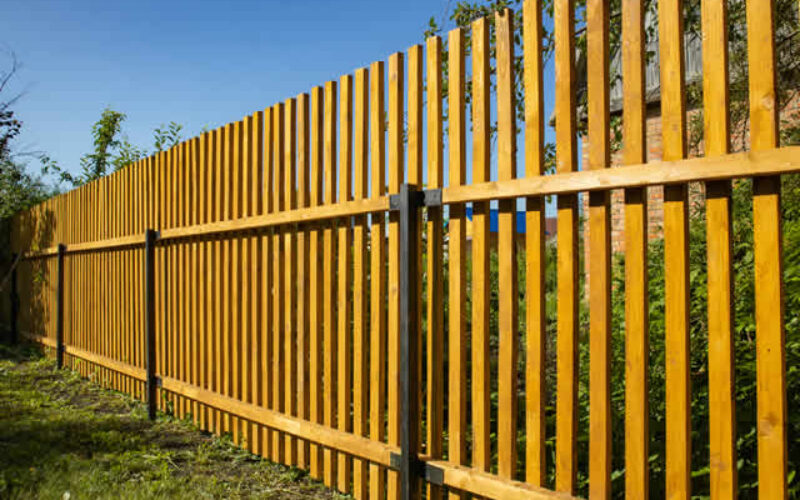
A favorite for classic appeal and versatility, wood fences require ongoing upkeep to prevent rot, insect damage, and discoloration. Regular staining or painting is necessary, especially in humid or rainy climates. - Vinyl:
Known for its low-maintenance properties, vinyl is UV-resistant and stands up well to the elements. Although it costs more upfront, minimal ongoing care offsets the initial investment. - Aluminum:
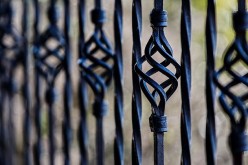
Lightweight and rust-resistant, aluminum fences are favored for ornamental detailing or for surrounding gardens and pools. However, they offer little privacy or wind protection. - Chain Link:
This option is highly affordable and durable, providing security for both residential and industrial applications. Privacy, however, is limited unless slats or screens are added.
When choosing your material, consider local weather, maintenance expectations, and the required level of security or privacy. For many, combining aesthetics, durability, and minimal upkeep is a top priority.
use fencing for privacy
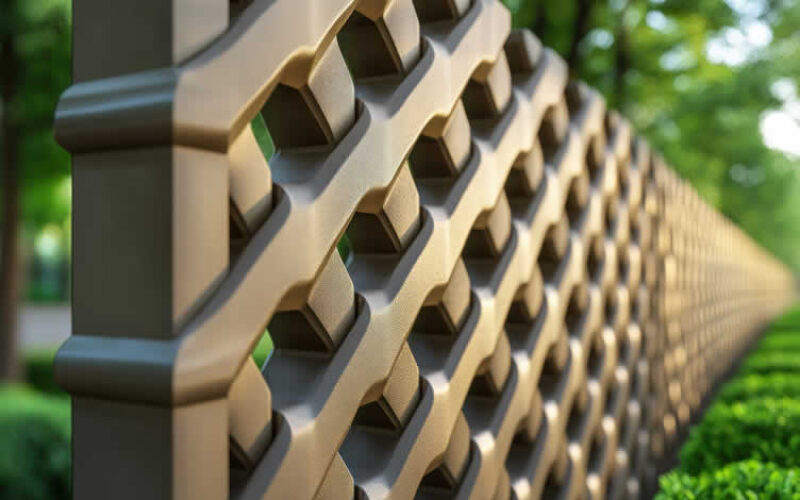
Landscaping for Privacy: Fencing, Hedges, and Screens
Installing privacy fencing can be a valuable improvement to any outdoor space, enhancing both functionality and aesthetics.

Factors Influencing Fence Installation Costs
Fence installation costs can vary greatly based on several important factors:
- Material Choice:
Vinyl and aluminum generally command higher up-front costs than wood or chain link. Specialty woods, such as cedar or redwood, can also raise expenses. - Fence Dimensions:
Taller and longer fences require more material and additional labor. Fence style or design complexity can also drive up the price. - Terrain Complexity:
Rocky, hilly, or uneven land increases labor time and may require specialized equipment, which adds to the total bill. - Permit and Code Requirements:
Some municipalities require permits, inspections, or adherence to local zoning laws. These steps may generate additional fees, but are essential to avoid fines or legal troubles.
National averages indicate that homeowners can expect to spend between $1,860 and $4,837 on installation, with the typical project costing about $3,271.
Professional Installation vs. DIY: Pros and Cons
Homeowners and property managers must decide whether to hire experienced installers or take on the project themselves.
- Professional Installation:
- Pros:
Ensures code compliance, correct deep setting of posts, and often provides labor warranties. Pros also have access to the right tools and the experience to overcome site challenges. - Cons:
High labor costs may stretch budgets, especially for intricate or large projects.
- Pros:
- DIY Installation:
- Pros:
Reduces total expenses and allows for personal customization. Many DIYers enjoy the process and sense of accomplishment. - Cons:
Mistakes are costly and time-consuming to fix; specialized tools may be needed. Work may not meet code or manufacturer standards, risking voided warranties.
- Pros:
Assess your skills, available time, and complexity of your chosen design before opting for a DIY approach.
Maintenance Tips for Longevity
Regular care can extend the life expectancy of any fence. Here are practical tips for the most common materials:
- Wood:
Apply stain or weatherproof paint every few years. Seal any exposed ends and check regularly for termites or mold. - Vinyl:
Wash with soap and water to keep the surface clean and resist mildew buildup. Inspect for any cracking during seasonal temperature swings. - Metal:
Inspect for signs of corrosion. For iron or steel, apply rust-resistant primers or paints annually, especially in areas near salt water. - Chain Link:
Check the mesh for bending or sagging and keep vegetation trimmed away to prevent damage.
Proactive repairs and periodic inspections help prevent expensive and major repairs down the line.
considering a garden fence for landscaping

Legal Considerations and Permits
Before installation, research local codes that may dictate fence height, permissible materials, and setbacks from property lines. Many communities have homeowners’ association rules in addition to city regulations. Securing required permits before any work begins is critical to avoid fines or the required removal of noncompliant fences.
Working with a seasoned installer or directly contacting your municipality’s building department ensures you stay informed about any required documentation or inspections specific to your area.
Conclusion
Fence installation is a valuable project that can enhance security, privacy, and property value. By selecting suitable materials, understanding the real costs, and approaching the process with a long-term mindset, property owners can expect lasting results.
Careful consideration of both the technical and legal aspects will lead to successful installation, whether you choose a professional or DIY approach. Thoughtful maintenance and compliance with local regulations round out the formula for a fence that benefits your property for years to come.
home improvement ideas to consider (complete directory – new win):

Find Outbuilding Services Gazebos Play Equipment Outbuildings Fences Porches Waterproofing Sheds Retaining Walls top-rated, pre-screened local contractors FREE: download contractor selection enter zip code – powered by HomeAdvisor ™


Image credit: complete guide to fence installation by envato.com
end of post … please share it!
| more photo remodeling |
Jump Over to Our Photo Analysis Center for Ideas on
"Renovating Home"
|__________________________________________________________|
home remodeling surprise
find out where it might go - new win


Helpful article? Leave us a quick comment below.
And please share this article within your social networks.