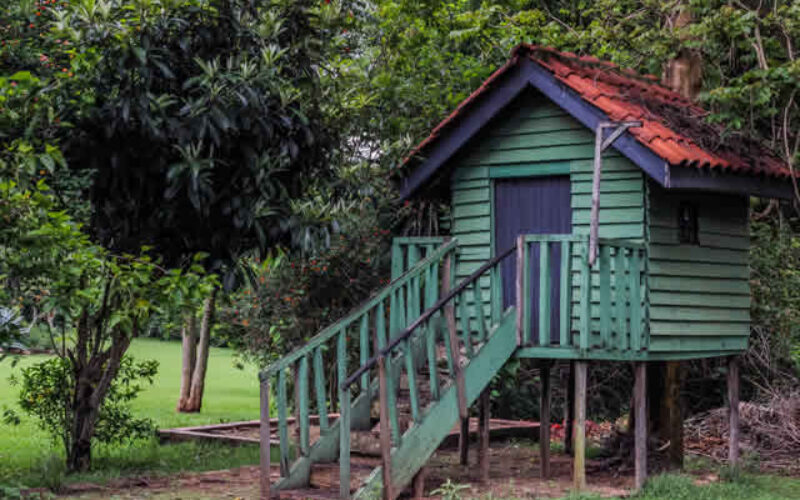
Factors like size, materials, design, and safety features are all important to consider. This guide highlights the essential steps to selecting the perfect cubby house that meets your needs and creates a world of adventure for your children.
Assess Your Backyard Space
Before purchasing a cubby house, evaluate the available space in your backyard. Measure the area where you plan to set up the play structure and consider how it fits into the overall layout of your yard. Ensure there’s enough room around the cubby house for children to move safely and for you to access it for maintenance or supervision.
Some cubby houses with additional features like slides or climbing walls require extra space. If your backyard is smaller, opt for a compact design to maximise play opportunities without overwhelming the area.

Choose the Right Materials
The material of your cubby house plays a crucial role in its durability, appearance, and maintenance requirements. The two most common materials are wood and plastic, each with its benefits.
-
Wooden Cubby Houses:
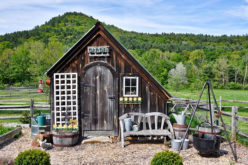
Wooden cubby houses are a classic choice, offering a natural, timeless look that blends well with most backyards. They are sturdy and can withstand years of play. Wooden structures may require regular maintenance, like sealing or painting, to protect them from weather damage. Look for treated wood to ensure the cubby house is resistant to rot, termites, and harsh weather conditions.
-
Plastic Cubby Houses:
Plastic models are lightweight, easy to assemble, and require less maintenance. They are also weather-resistant and can be easily cleaned with a damp cloth. Plastic cubby houses may not be as durable or visually appealing as their wooden counterparts. If you’re looking for something low-maintenance and suitable for younger children, a plastic cubby house might be the ideal option.
Your choice will depend on your budget, maintenance preferences, and the style you envision for your backyard.

Sporting
Lawn Games
Consider Age Appropriateness
Think about your child’s current age and how long they can use the structure. Younger children benefit from simple designs with features like low platforms, wide openings, and minimal hazards. These cubby houses are easier to access and ensure a safe play environment for toddlers.
You might choose a more complex design for older children with added features like climbing walls, monkey bars, or even a small veranda. A multi-functional cubby house can grow with your child, providing different ways to play and learn as they age.
Safety Comes First
Ensure the structure is built to meet safety standards and includes essential features like sturdy railings, non-slip surfaces, and smooth, rounded edges to prevent injuries. If the cubby house has windows or doors, check that they open and close easily without posing a risk of pinched fingers.
Anchoring the cubby house to the ground is crucial if you live in an area prone to strong winds. Placing soft material like rubber mats, mulch, or grass around the cubby house can help cushion any falls. Always read the manufacturer’s safety guidelines and supervise your children while they play to minimise the risk of accidents.
Match Your Family’s Lifestyle
Your family’s lifestyle and your children’s interests should influence your choice of cubby house. If your child loves climbing and physical challenges, opt for a model with built-in climbing features or a slide. For children who enjoy creative and imaginative play, look for a cubby house with windows, a pretend kitchen or even a mini chalkboard.
If you enjoy entertaining in your backyard, consider a design that complements your outdoor space and adds aesthetic value. Modern cubby houses come with sleek finishes and neutral colours that blend with contemporary gardens.
Budget Considerations
Set a budget for your cubby house purchase. Prices can vary depending on the size, material, and features of the play structure. While choosing the most affordable option is tempting, remember that investing in a high-quality cubby house will pay off in the long run. Durability, safety, and the ability to grow with your child should all be part of your budgeting decision.
If you’re on a tight budget, consider buying and upgrading a basic model over time. You can look for second-hand cubby houses that are in good condition.
other related analysis of interest: (new win)
How To Make Your Backyard Kid-Friendly This Summer
Empowering Your Kids to Make Magic: Creative Kids Room Decorating Ideas
Conclusion
Choosing the perfect cubby house for your backyard requires careful planning and consideration. By evaluating your space, selecting the right materials, and prioritising safety, you can create a play structure that brings endless joy to your children. Think about age-appropriateness, your family’s lifestyle, and future upgrades to ensure your investment stands the test of time.
With the right cubby house, your backyard will become a magical place where your children can let their imaginations run wild, all while staying active and engaged.
Find Outbuilding Services Gazebos Play Equipment Outbuildings Fences Porches Waterproofing Sheds Retaining Walls top-rated, pre-screened local contractors FREE: download contractor selection enter zip code – powered by HomeAdvisor ™


Image credit: choosing the right cubby house by 123rf.com
end of post … please share it!
| more photo remodeling |
Jump Over to Our Photo Analysis Center for Ideas on
"Renovating Home"
|__________________________________________________________|
home remodeling surprise
find out where it might go - new win


Helpful article? Leave us a quick comment below.
And please share this article within your social networks.