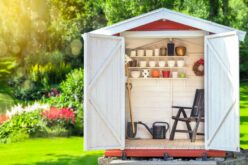
If your property currently lacks a dedicated storage spot for your landscaping equipment, you might feel entirely overwhelmed by the sheer volume of tools competing for a sliver of space.
Adding a custom-built or prefabricated garden shed to your property offers a practical solution that transforms chaotic spaces into efficient, streamlined environments.
By moving bulky wheelbarrows, heavy soil bags, and dangerous power tools out of the main house or garage, you immediately create room for your vehicles and personal hobbies. You also give your gardening workflow a dedicated home, making it much easier to nurture your plants and maintain your lawn.
This comprehensive guide will help you navigate the entire process of selecting and installing the perfect backyard shed. You will learn about the undeniable benefits of dedicated outdoor storage, the various materials and styles available on the market, and the essential steps for a successful yard installation.
We will also cover how to build a solid foundation, navigate local building codes safely, and secure your valuable equipment from potential theft.
- post content
- The Undeniable Benefits Of A Garden Shed
- Types Of Sheds To Consider
- Shed Installation: Key Considerations
- Building A Solid Foundation
- Navigating Permits And Regulations
- Securing Your Valuables
- Ready To Reclaim Your Backyard Space?
- view table:content summary
- view notes:collective tips
- view ideas:latest remodeling analysis
- related post (new win):Save Money on Your Remodel
The Undeniable Benefits Of A Garden Shed
Having a dedicated storage building actively protects your expensive outdoor tools from the harsh elements. Leaving grass cutters, trimmers, or metal hand tools out in the rain inevitably leads to rust, engine start-up failures, and costly hardware replacements.
A weather-resistant structure keeps your investments completely dry and ready for action whenever you need them.

Beyond basic weather protection, a shed provides incredible organizational value for your entire family. Installing sturdy shelves and wall racks allows you to safely store garden fertilizers, chemical pesticides, and sharp hand tools high up and out of reach from curious children and pets.
This thoughtful organization turns a messy pile of dangerous equipment into a safe, easily accessible workspace.

Types Of Sheds To Consider
When choosing a new outbuilding, you have several excellent material options that cater to different yard sizes and household budgets. Resin and composite sheds, such as those manufactured by Keter or Suncast, offer highly durable, low-maintenance solutions that easily resist rot and withstand harsh weather year-round.
These modern units often feature built-in skylights and steel-reinforced roofs, making them incredibly sturdy while still allowing natural light to filter inside. For smaller yards, compact models like the Rubbermaid Roughneck or Suncast Tremont provide deep, accessible storage without consuming your entire lawn.
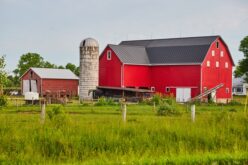
Wood sheds bring a classic, rustic charm to your garden landscape. Prefabricated kits from companies like Best Barns or Cedarshed provide pre-cut materials and excellent structural longevity.
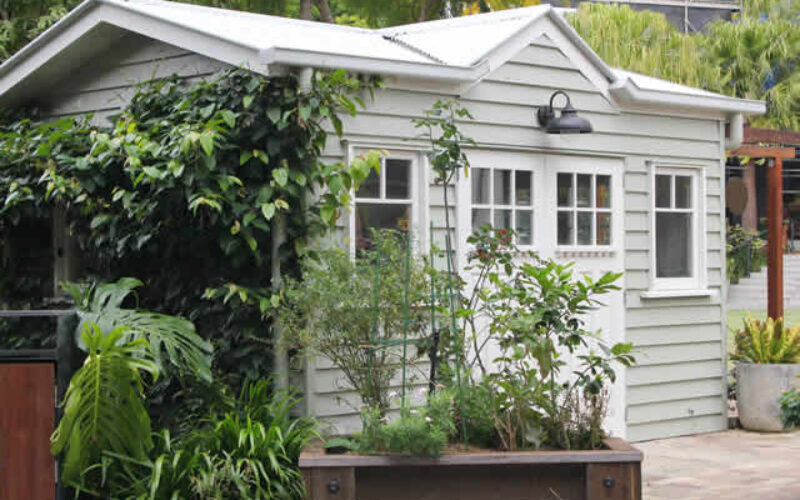
While wood requires occasional painting and maintenance to prevent natural decay, it allows you to match the paint colors directly to your main house for a cohesive look. Steel options, such as the Arrow Newburgh design, use electro-galvanized metal to resist heavy corrosion, offering maximum security and industrial durability for storing heavy-duty landscaping equipment.
Shed Installation: Key Considerations
Picking the absolute best spot in your yard ensures your new structure functions well and lasts for decades. You should select a dry, fairly level area with enough room to comfortably walk and work around the perimeter.
Professional shed installers highly recommend leaving about three feet of open clearance on every single side, which allows for easy exterior maintenance and promotes adequate airflow around the base.
Proper water drainage plays an equally important role in the lifespan of your outbuilding. You must actively avoid low spots in your yard where standing water tends to pool after heavy rainstorms. Excessive moisture buildup around the bottom edges causes wood rot, mold growth, metal rust, and severe foundation shifting over time.
If you possess basic carpentry skills, putting together a prefabricated kit can be a highly rewarding weekend project.
However, if your chosen site sits on a steep slope, yard access is exceptionally tight, or you plan to build a very large structure, hiring a professional installation service is almost always worth the investment. Professionals handle the complex leveling and structural assembly that most often cause long-term headaches for homeowners.
Building A Solid Foundation
Your new storage building is truly only as strong as the base it sits upon. A well-compacted gravel pad serves as a simple, highly effective foundation for smaller sheds, providing excellent water drainage when the ground is already relatively level.
For larger structures or geographic areas with severe weather conditions, a poured concrete slab provides the absolute most durable and moisture-resistant choice available. Alternatively, treated wood skids or concrete deck blocks work well for lighter, prefabricated resin models.
While these block foundations are less permanent, they remain highly cost-effective, provided you take the time to level them precisely to prevent future door alignment issues.
more info below

Best Sheds – 8 To Choose For Your Backyard
One of the most important parts of your backyard or any yard is – storage shed. An important question when shed-hunting is what all options are out there and what do you need it for?
Navigating Permits And Regulations
Local building rules hold just as much weight as the physical construction of your garden shed. Many municipalities require specific building permits based on the overall square footage and roof height of your proposed structure.
Additionally, local setback requirements dictate exactly how close the new building can sit to your property lines, existing wooden fences, and neighboring homes.
A perfectly constructed shed can quickly become a stressful and costly headache if it violates local zoning laws or Homeowner Association guidelines. Checking these community rules before purchasing any materials will save you significant trouble and financial loss down the road.
Securing Your Valuables
Garden sheds naturally house expensive household investments, from gas-powered lawnmowers and high-pressure washers to chainsaws and specialized power tools. Securing these costly items prevents devastating losses from neighborhood theft and keeps your property safe.
You should always equip your primary shed doors with heavy-duty outdoor padlocks or specialized steel security bars. Installing motion-sensor outdoor lighting directly above the entrance adds another highly effective layer of visual deterrence for nighttime prowlers.
For smaller, high-value power tools, you might also consider bolting a lockable steel job-box directly to the interior wood framing of the shed, ensuring your best gear stays exactly where you left it.
Ready To Reclaim Your Backyard Space?
Adding a dedicated garden shed requires careful forethought and planning, but the lasting reward of a beautifully organized, clutter-free property is well worth your effort.
By selecting the right construction materials, establishing a solid, level foundation, and safely following local building guidelines, you will create a highly functional asset for your home.
Take a leisurely walk around your yard today to identify a flat, dry spot that could serve as the perfect home for your new storage building.
Once you can visualize the cleared space, you can confidently start comparing prefabricated kits or local professional builders to turn that peaceful garden vision into a beautiful reality.
other related analysis of interest: (new win)
| Topic | Description | Key Details |
|---|---|---|
| Benefits of a Garden Shed | Having a storage shed protects outdoor tools from harsh elements, offers organizational value, and keeps dangerous items safe from children and pets. | Weather resistance keeps tools dry; sturdy shelves and racks provide safe storage. |
| Types of Sheds | Options include resin/composite, wood, and steel sheds, each offering advantages in durability, style, or budget suitability. | Resin sheds are low-maintenance; wood sheds provide charm; steel sheds offer maximum security. |
| Shed Installation | Proper site selection and preparation ensure longevity and functionality. Adequate airflow and drainage are critical for maintenance. | Choose a level and dry area with three feet of clearance; avoid water pooling. |
| Building the Foundation | The foundation is crucial for structural strength. Options include gravel pads, concrete slabs, or treated wood skids. | Gravel is cost-effective; concrete slabs are durable; skids work for prefabricated models. |
| Permits and Regulations | Check local building permits and setback requirements to ensure compliance with zoning laws and HOA guidelines. | Helps avoid costly fines or legal issues and ensures smooth construction approval. |
| Securing Your Shed | Implementing security measures protects valuables. Use locks, motion-sensor lighting, and internal tool storage solutions. | Padlocks secure doors; lighting deters thieves; steel job-boxes protect expensive tools. |

Find Outbuilding Services Gazebos Play Equipment Outbuildings Fences Porches Waterproofing Sheds Retaining Walls top-rated, pre-screened local contractors FREE: download contractor selection enter zip code – powered by HomeAdvisor ™


Image credit: custom garden shed by envato.com
end of post … please share it!
| more photo remodeling |
Jump Over to Our Photo Analysis Center for Ideas on
"Renovating Home"
|__________________________________________________________|
home remodeling surprise
find out where it might go - new win


Helpful article? Leave us a quick comment below.
And please share this article within your social networks.