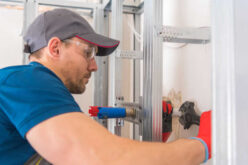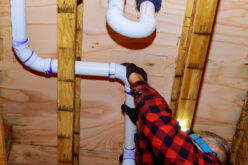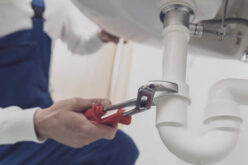
This guide tells all the things you need to feel safe, procedures, general threats, personal safety equipment (PPE), maintenance tips and how to cooperate effectively with the plumber.
- post content
- Why Choose Professional Plumbers?
- Plumbing Health and Safety Standards
- Identifying Plumbing Hazards
- PPE for Plumbers
- What to Expect from Professional Plumbers
- Tips on maintenance of pipelines
- Working Effectively with Your Plumber
- Handling Plumbing Emergencies
- After-Service Best Practices
- conclusion
- view notes:collective tips
- view ideas:latest remodeling analysis
Why Choose Professional Plumbers?
Worthy plumbers do more than just fix the tap. They follow strict safety procedures, follow rules and protect both you and your property. Licensed plumber means:
- The work meets legal and security standards.
- Insurance coverage is valid.
- Correct documentation (eg compliance Certificate) is provided.
- You get the confidence to know trained professionals who handle jobs.

Plumbing Health and Safety Standards
Plumbers follow national and local safety rules. These cover licensing, exercise, limited space function, gas fittings and water quality. Compliance ensures that the work is safe, legal and of high quality.
Licensed plumbers also provide the right paperwork – such as reporting of backflow or gas compliance – to set up the insurance and property value.
-
Regular plumbing and prevention
Comes with risks, such as plumbing:
- Stems behind by lifting the pipe.
- Burner with hot water systems.
- Eye damage from debris.
- Glies on wet surfaces.
Professional plumbers prevent damage through training, proper lifting techniques and maintenance of fast, safe equipment. Common threats protect the check features.
Why strict procedures mean something
- Safety: Prevents accidents and protects life.
- Legal compliance: Penalty and license suspension are avoided.
- Insurance: Ensures coverage when something goes wrong.
Identifying Plumbing Hazards
Home often hides risks such as asbestos, limited roof placement or drainage exposure in older buildings. Plumbing inspectors are trained:
- Test for gas leaks.
- Use PPE for bacteria.
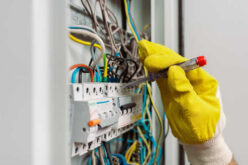
- Works safely around electrical threats.
-
Danger in commercial plumbing work
Commercial jobs are more complex. Risk includes:
- High-pressure boilers and heating systems.
- exposed to industrial chemicals.
- Working with heights on tanks or pipes.
Plumbers use protective equipment, a lockout system and autumn priority equipment to protect everyone.
-
Risk assessment before work
Before you start, professional plumber:
- Observe the site for hazards.
- Document risk and solution.
- Commit to security measures for you.
This ensures safety for both workers and property owners.

Tracing the Journey of Water: From Its Source, Through the Home Plumbing System, to Its Final Destination
Water embarks on an incredible journey before it reaches our homes for daily use. Starting from natural sources like rivers, lakes, or underground aquifers, it undergoes extensive treatment processes to ensure it is clean and safe for consumption.
PPE for Plumbers
-
A plumber relies on PPE as:
- Eye security: Realises and prevents damage from debris.
- Gloves: Powerful or chemically resistant on a job basis.
- Steel catch boots: Protect your feet and improve the grip.
- Hard hat, mask and ear protection: For specific works.
-
How does PPE also save you?
Proper safety equipment reduces the risk of accidents that can damage your property. Floor cover, drop sheets and protective films also keep the home clean and safe during plumbing.
When is PPE important?
- Waterproofing clothes are required to clean the drain.
- Hot water repair requires heat-resistant gloves.
- Limited space input includes gas detectors and a harness.
What to Expect from Professional Plumbers
Plumbers of security themes should be discussed
-
A good plumber will explain:
- What services (water, gas, electricity) will be closed?
- Emergency procedures if something goes wrong.
- In what areas of your house will they work now and how long will the job take?
-
Pre-work Security Relationship Rules
Before the equipment comes out, the plumber will:
- Keep the work area clear and safe.
- Tests for hidden pipes, leaks or electrical wires.
- Install ventilation and communication systems.
-
Sustain security
Expect your plumber:
- Use obstacles and warning ties around dangerous areas.
- Perform regular security checks.
- Keep the site streamlined and safe for your home.
Tips on maintenance of pipelines
-
Preventive care for homeowners
You don’t have to be an expert to keep the system healthy. Simple practice includes:
- Regularly check for leaks or stains.
- Handling water pressure with a regulator.
- Use the drainage screen and avoid Greece’s disposal.
-
Professional maintenance
Plumbing recommendation:
- Annual inspection for most homes.
- Two years old check for older properties or high use systems.
- Seasonal maintenance -tubes in summer, summer service.
-
When you call immediately
Don’t wait for the next inspection if you notice:
- Sudden drops in underwater pressure.
- Unusual noise in your pipe.
- Constant obstacle or bad odour.

Home Plumbing Tricks and Tips: How Best to Maintain Your Plumbing Drainage System
Keeping your home’s plumbing drainage system in optimal condition is essential for avoiding inconvenient and costly issues like clogs and backups. Simple preventative measures, such as regular cleaning, mindful disposal of waste, and using natural cleaning agents, can help keep drains clog-free.
Working Effectively with Your Plumber
-
Important questions to ask
Before work starts, ask about:
- Licensing and insurance.
- Fixed versus estimate-based quotes.
- Warranty or guarantee at work.
-
Share information with your plumber
Provide such details:
- The plumbing history of your property.
- Cutting valve and meter location.
- Health problems or safety threats (eg asbestos).
-
Understand their processes
Ask how they want to protect your property, which PPE they want to use, and what emergency you should follow. It reflects professionalism and creates faith.
Handling Plumbing Emergencies
-
Plumbing accounts
If you are facing plumbing emergency, contact your plumber immediately:
- Blast pipes or uncontrollable leaks.
- Gas leaks (leave the property and call the first emergency services).
- Sewerage safety copy that causes health risks.
-
Security steps you can take
- Close the main water supply when safe.
- Avoid entering flooded areas with electricity.
- Documentation of damage to insurance purposes.
-
How to respond to plumber?
Professional use PPEs, assessment of risks before admission, and can work in teams for high-risk jobs. They are trained in peace and safe to handle emergencies.
After-Service Best Practices
-
Warranties
Most plumbers provide a 12 -month employant, with a longer manufacturer’s guarantee on the parts. Protect all paperwork for sale of requirements or future property.
-
Post -Service maintenance
- Monitor for leakage after work.
- Treat slowly new fixtures.
- Plan follow -up inspection for larger companies.
-
When you call them back?
If the problems come back – for example, a recurring leak – or you notice resolution, rust or strange noise from the water, contact the plumber immediately.
Conclusion:
The hiring plumber ensures that your plumbing facilities are safe, obedient and good. From dangerous management and PPE to emergency protocols and preventive care, their expertise protects both your home and your family.
By asking the right questions, sharing important details and following their advice, you will benefit most from your plumbing features. Reliable plumbing is not just about fixing problems – it’s about creating self -confidence with skilled professionals who first have protection and quality.
other related analysis of interest: (new win)
Find Plumbing Services Plumbing Issues Drain Clearing Septic/Sewers Water Heaters Pumps Water Softening top-rated, pre-screened local contractors FREE: download contractor selection enter zip code – powered by HomeAdvisor ™


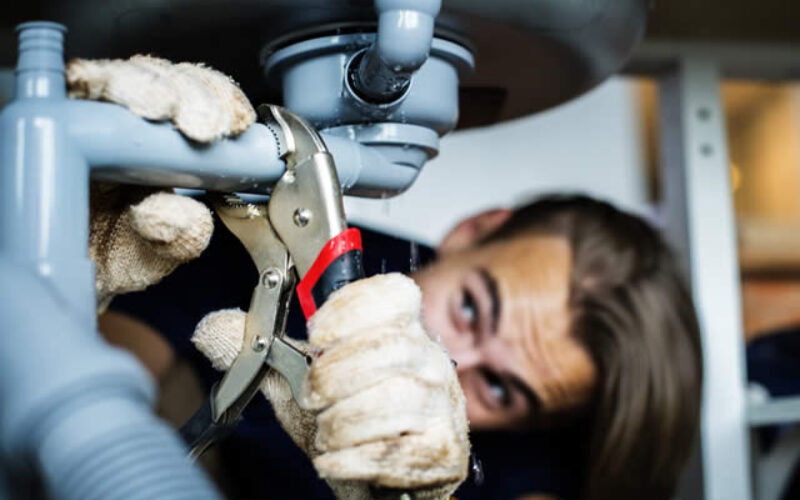
Image credit: working with professional plumbers by envato.com
end of post … please share it!
| more photo remodeling |
Jump Over to Our Photo Analysis Center for Ideas on
"Renovating Home"
|__________________________________________________________|
home remodeling surprise
find out where it might go - new win


Helpful article? Leave us a quick comment below.
And please share this article within your social networks.