Rustic design has captured the hearts of homeowners and interior enthusiasts alike, offering a return to authentic textures, colors, and forms that celebrate comfort, history, and connection to the natural world.
This article explores why rustic retreats remain a compelling choice, how to incorporate their defining elements, and practical, sustainable strategies for creating your own timeless sanctuary.
- post content
- Introduction to Rustic Retreats
- Embracing Earthy Tones
- The Charm of Aged Wood
- Natural Materials Bringing the Outdoors Inside
- Creating a Rustic Retreat in Your Home Practical Tips
- Rustic Retreats A Sustainable Choice
- The Timeless Allure of Rustic Retreats
- view table:content summary
- view key:collective notes
Introduction to Rustic Retreats
Rustic retreats are more than just interior design trends. They represent a lifestyle that favors simplicity, authenticity, and the beauty of imperfection. Characterized by the widespread use of earthy tones and organic materials such as wood and stone, these spaces aim to bring the calm and simplicity of the outdoors, inside.
The popularity of rustic retreats has surged as more people seek respite from busy, technology-driven lives. The appeal lies in how these interiors evoke memories of cozy cabins, tranquil cottages, and countryside escapes.
With their combination of warmth, texture, and sustainable design choices, rustic retreats offer homeowners an achievable style that emphasizes comfort and environmental awareness. The foundation of these spaces is built around earthy tonal palettes, aged wood features, and the use of natural, tactile materials.

Embracing Earthy Tones
A rustic retreat starts with color. Earthy tones hold a special power to shift mood and atmosphere within a room. They are drawn from nature’s most enduring colors, creating a sense of calm and grounding essential for relaxation.

Earthy tones are lauded by color psychologists for their ability to reduce stress and foster well-being. Brown hues echo the reassuring solidity of tree bark and soil; greens mirror thriving forests and rolling fields; terracottas capture the subtle depths of clay and sun-baked earth.
Together, these colors connect occupants with the outdoors and evoke a sense of harmony often missing in sterile, ultra-modern settings.
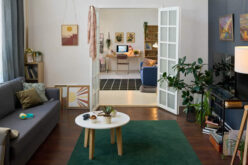
Popular palettes feature chocolate browns, olive greens, burnt sienna, and gentle creams, sometimes combined with muted blues and grays to mimic the subtleties of weathered rocks or overcast skies. Painting walls, choosing textiles, and layering accessories in these shades offer effortless ways to infuse a room with rustic comfort.
When bringing earthy tones into your home, consider starting with larger surfaces. A taupe accent wall or walnut-stained floors provide an instant rustic baseline.
Layering in mossy throws, terracotta pottery, or jute rugs further enhances the palette. Even small accessories, like woven baskets or clay vases, echo the calm and quietude characteristic of rustic retreats.
The Charm of Aged Wood
Aged wood carries more than functional value; it is a storyteller, adding instant character and depth to any interior. Choosing aged wood over new materials means celebrating every imperfection, grain, and weathered hue shaped by time.
Aged wood can take several forms, including reclaimed barn boards, distressed floorboards, salvaged beams, or antique furniture. Reclaimed wood, sourced from old structures and repurposed, is favored for its visible history and sustainability.
Distressed wood, whether naturally aged or artistically finished, brings tactile irregularities that ground a space and add visual interest.
Applying aged wood throughout the home is a hallmark of rustic retreats. Exposed beams overhead anchor a living room, while a reclaimed dining table becomes a gathering spot steeped in memories. Salvaged paneling creates subtly textured walls, and antique dressers or coffee tables introduce one-of-a-kind charm.
Sourcing aged wood can be both practical and rewarding. Start with local salvage yards, architectural reclamation centers, or even online marketplaces. When selecting pieces, look for wood that displays genuine patina and structural stability.
Remember, aged wood doesn’t have to dominate a space; even small touches, such as picture frames, mantelpieces, or shelves, lend the unmistakable warmth that only history can offer.
Natural Materials Bringing the Outdoors Inside
The attentive use of natural materials is central to creating an authentic rustic retreat. These elements link interiors with the environment, deepening the sense of tranquility and connection within a space.
Stone, in the form of accent walls, fireplaces, or tiled floors, introduces durability and texture. Stone surfaces can be left rough for tactile richness or honed for understated luxury. Incorporating stonework, even as a kitchen backsplash or hearth, instantly grounds a room.
Textiles are key players as well. Cotton, wool, and linen not only offer visual softness but envelop touch and comfort, critical for rustic spaces meant to be lived in.
Linen drapes, chunky wool throws, and handwoven rugs soften hardwood floors and aged wood features. These fabrics allow for subtle pattern, texture, and layering, keeping the room from feeling too stark or rigid.
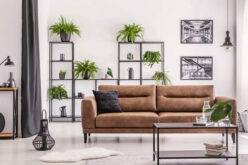
Furniture choices lean heavily on natural materials, such as solid wood tables, rattan chairs, and leather sofas with natural patinas. Accessories like clay vases, woven baskets, or dried botanicals complete the experience, giving a curated, collected feel that’s both approachable and nature-inspired.
Using natural materials in flooring, furniture, and decor means prioritizing quality over quantity. Choose fewer, better pieces that showcase the inherent beauty and durability found in organic materials.
Creating a Rustic Retreat in Your Home Practical Tips
Transforming your living space into a rustic retreat does not require a complete overhaul or endless shopping. Instead, focus on intentional updates that reflect rustic values and create a sense of harmony and repose. Center your focus on furniture, lighting, and thoughtful decorative choices.
When selecting furniture, opt for solid, timeworn pieces with sturdy craftsmanship. Exposed wood surfaces, vintage finds, or custom items made from reclaimed materials offer integrity and uniqueness. Avoid overly ornate or modern pieces; rustic design celebrates simplicity and authenticity.
Lighting in a rustic retreat should be soft and warm. Forgo harsh overhead lights in favor of lamps with woven or linen shades, wrought iron pendants, or candles in hurricane jars. The right lighting accentuates wood grains and natural textures while introducing a soothing glow that invites people to relax and linger.
Decor should feel deliberate yet unpretentious. Ceramics, potted plants, and artwork featuring natural landscapes reinforce the outdoor connection at the heart of rustic design. Open shelves can showcase beloved objects and collections, while neutral-colored pillows and throws add comfort and interest without visual clutter.
Minimalism and decluttering are crucial for achieving the rustic look. Keep displays simple, allowing each piece to breathe. A space free from excess lets materials and textures take center stage, creating tranquility and focus.

Deciding Your Home Interior Design – What Should You Do?
When it comes to enhancing the atmosphere and functionality of your living space, reviewing interior home designs is an essential step. By carefully exploring various styles, layouts, and color palettes, you can identify elements that resonate with your personal taste and lifestyle.
Rustic Retreats A Sustainable Choice
Rustic retreats not only provide comfort but also promise a lighter environmental footprint, aligning perfectly with an eco-friendly ethos. By using materials that are reclaimed, recycled, or sustainably sourced, you reduce demand on new resources and help conserve natural habitats.
Reclaimed wood remains a top sustainable choice, saving unique pieces from landfills and reducing the need for newly harvested lumber. Sourcing vintage furniture or secondhand goods further lessens environmental impact, as does selecting textiles made from organic or fair-trade fibers.
Many rustic retreats use local materials, cutting down transportation emissions and supporting nearby craftsmanship. Choosing finishes, paints, and stains that are low in VOCs (volatile organic compounds) protects indoor air quality and health. Finally, investing in quality over quantity leads to longer-lasting interiors that require fewer replacements and repairs.
Designing a rustic retreat is an opportunity to marry style with stewardship. The choices made today echo for years in both aesthetics and environmental impact.
other related analysis of interest: (new win)
Hey Birdie, Birdie – Welcome To My Backyard
Transform Your Laundry Room: Practical Ideas to Re-imagine the Space
The Timeless Allure of Rustic Retreats
Rustic retreats offer much more than visual appeal. At their core, these spaces celebrate a lifestyle rooted in authenticity, simplicity, and the enduring comfort of nature. Earthy tones ground us, aged wood tells stories, and natural materials foster meaningful connections to the world outside our windows.
By bringing these elements into our homes, we cultivate environments that are soothing, sustainable, and profoundly personal. Rustic design remains timeless precisely because it honors what is real, enduring, and essential. For anyone seeking to carve out a peaceful haven amidst daily demands, a rustic retreat awaits.
| Element | Description | Examples | Practical Tips | Sustainability Angle |
|---|---|---|---|---|
| Earthy Tones | Calming colors drawn from nature | Browns, greens, terracottas | Layer in paint, textiles, and accessories | Use natural, low-VOC paints |
| Aged Wood | Materials with history and patina | Reclaimed beams, distressed wood | Source locally, use in furniture or accents | Recycle existing timber |
| Natural Materials | Organic, tactile elements | Stone, wool, linen, cotton | Choose natural for floors, furniture, and decor | Opt for ethically sourced fibers |
| Furniture Selection | Solid, authentic, vintage or handmade pieces | Farm tables, reclaimed benches | Avoid ornate/ultra-modern, focus on craftsmanship | Buy vintage/secondhand |
| Lighting | Warm, inviting ambiance | Linen shades, iron pendants | Use soft bulbs, incorporate candles | LED bulbs, upcycled fixtures |
| Minimalism/Declutter | Spaces free of excess, mindful displays | Open shelves, simple arrangements | Regularly edit decor, highlight textures | Quality over quantity |
Find Interior Design Services Decorators Interior Designers Furniture Painting & Staining top-rated, pre-screened local contractors FREE: download contractor selection enter zip code – powered by HomeAdvisor ™


Image credit: by envato.com
end of post … please share it!
| more photo remodeling |
Jump Over to Our Photo Analysis Center for Ideas on
"Renovating Home"
|__________________________________________________________|
home remodeling surprise
find out where it might go - new win


Helpful article? Leave us a quick comment below.
And please share this article within your social networks.