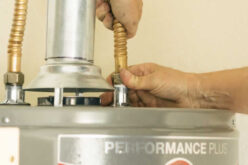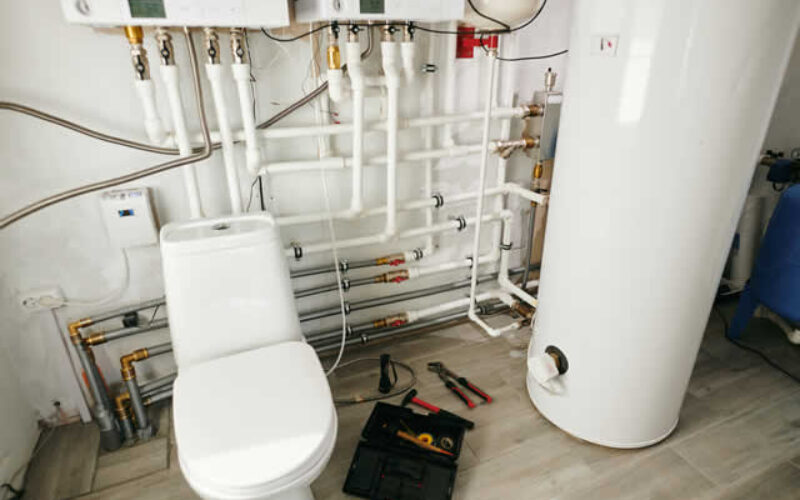
Although it might be tempting to keep on repairing an aging water heater to squeeze out a few more months or even years of service, there comes a point where replacement becomes the more cost-effective and reliable option.
To unpack this more in detail, let’s dive into the factors that should influence this decision, including the sweet spot for repairs, signs for replacement, and how to decide between the two. Let’s get started!
Knowing the Sweet Spot for Repairs
Repairing a water heater makes the most sense when the issues are minor, and the appliance is relatively young. If your heater is less than five years old, the chances are that it’s still under warranty, making repairs more affordable. Common repair-worthy issues in young heaters include faulty heating elements, malfunctioning thermostats, or small leaks.
When facing symptoms like lukewarm water or strange noises during heating, it may be time to call a professional. But if you’re regularly maintaining your heater, you tip the scales in favor of repair, potentially extending the life of the machine for several more years.
However, performing DIY repairs on a water heater is a slippery slope. Simple fixes like cleaning out a sediment-filled tank might be within your wheelhouse, but it’s critical to know your limits. A professional would be far more adept at diagnosing underlying causes and ensuring safety.

Identifying the Signs for Replacement
As your water heater advances in years, the frequency of repairs could signal an impending need for replacement. If your unit is approaching or over a decade old, you may have had multiple repairs within a year.
Corrosion or visible rust may be signs for a new heater. These issues often suggest that the heater is becoming less efficient and more prone to failure.
-
Machine Efficiency
One of the leading indicators for replacement is the efficiency of your water heater. Newer models are significantly more efficient, and an upgrade can lead to substantial energy savings over the years.
Pay attention to your utility bills; a steady increase with no use pattern change could mean your heater is lamenting its glory days.
-
Tankless Technology
The emergence of tankless water heaters can be a better alternative as you consider replacement. These compact systems heat water on demand, offering endless hot water and substantial energy savings. The higher initial cost is offset by their longer lifespan and reduced utility expenses.
-
Space and Capacity Considerations
As families grow or shrink, so do their hot water demands. An oversized unit can waste energy heating water that goes unused, whereas a heater that’s too small can lead to frustrating shortages during peak times.
Assessing your household’s hot water consumption can help determine whether a new model with a different capacity could better serve your needs.


Deciding Between Repair or Replacement
The final choice of whether to repair or replace your water heater is a highly personal one, based on your home’s needs, your financial position, and your long-term plans. Here are a few guidelines to consider when making this decision:
-
The Home’s Lifespan
If you plan to stay in your current home for the long term, investing in a new water heater can provide peace of mind and a potential increase in resale value. For those who see themselves moving within the next few years, a repair can make financial sense, so long as it doesn’t mask an inevitable future breakdown.
-
Environmental Impact
Newer water heaters often come with improved environmental credentials. If reducing your household’s carbon footprint is a priority, opting for a more energy-efficient model is a green decision. In addition, newer models are often better insulated and can save more water over time, further reducing your impact.
-
Financial Aspect
The immediate and long-term financial implications are perhaps the most significant factors in your decision-making process. A new heater can incur several thousand dollars in upfront costs, but will likely save you money in the long run. On the other hand, opting for a water heater repair can serve as a temporary solution, helping you avoid a significant dent in your savings.
-
Warranty Status and Manufacturer Recommendations
Before making a decision, it’s essential to review the warranty status of your current water heater. A warranty might cover a significant portion of the repair costs, or potentially even a full replacement if the unit fails due to a covered issue.
In addition, consider the manufacturer’s recommendations for the lifespan and maintenance of the appliance.
other related articles of interest:
Smart Home Innovations: Integrating Electrical and Water Heater Systems
In the battle of repair vs replace, there’s no one-size-fits-all answer. Each case is unique, and understanding your water heater’s condition is the first step towards making the right decision. Paying attention to its age, the frequency of issues, and the type of repairs needed can guide you in determining its runway.
Find HVAC Services Air Conditioning Central Heating Ducts & Vents Insulation Thermostats Water Heaters top-rated, pre-screened local contractors FREE: download contractor selection enter zip code – powered by HomeAdvisor ™


Image credit: repair or replace your aging water heater by envato.com
end of post … please share it!
| more photo remodeling |
Jump Over to Our Photo Analysis Center for Ideas on
"Renovating Home"
|__________________________________________________________|
home remodeling surprise
find out where it might go - new win


Helpful article? Leave us a quick comment below.
And please share this article within your social networks.