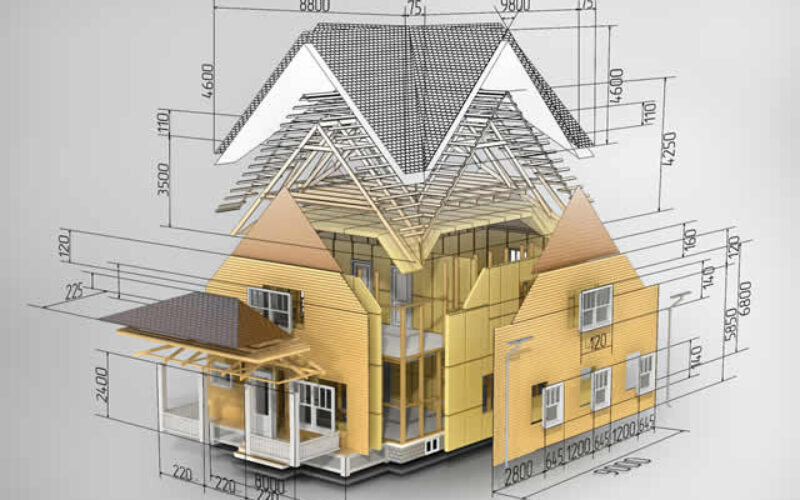
From planning ahead and researching materials to setting realistic expectations and tracking progress, these steps will ensure that your remodeling project is completed on time and within budget.
By taking the time to plan out each step of the process, you can make sure that you get the best results for your home renovation project.
Below are some tips for when it comes time to start your remodel.
Choose the Right Team
When it comes to taking on a home renovation project, you’ll want to ensure that you have the right people working on it. Start by researching local contractors and reading reviews online to find out what others have said about their services.

Getting multiple quotes from different contractors to compare prices and services is also important.
Once you’ve narrowed down your selection, meet with each contractor in person before making a final decision—you want someone who understands your vision and who you feel comfortable working with throughout the process.
Set a Budget
Before you commence with any house remodeling job, setting a budget for yourself is critical. Doing so will provide a structure for the project and allow you to allocate resources appropriately.
A timeline can then be set for the various tasks that will be done during the process, helping everyone stay on track throughout the duration of the job. This timeline will keep all parties accountable and ensure they complete their obligations within a given timeframe.
By following this important step in preparing for your house remodeling project, you can rest assured that costs are managed effectively and that expectations are adequately met.
Research Materials
When it comes to remodeling your home, selecting the right materials is essential. As you plan out the renovation project with your contractor, take the time to research different types of materials and their associated costs.
Consider items such as flooring, countertops, cabinets, appliances and lighting fixtures to ensure the job’s quality is up to your standards. Doing so will help you make wise decisions about which materials will be best for your remodeling project, as well as how much they should cost.
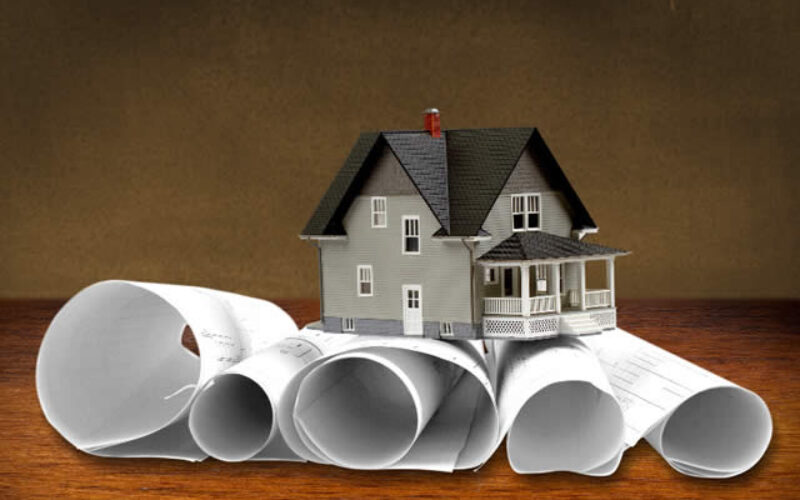
Before you start any home remodeling – such as a kitchen or bathroom remodeling, adding an addition, building a new section onto the home, and other major renovation project, run some financial numbers to determine whether the renovation is a smart investment.
The numbers include the estimated costs, home value assessment, financing costs, and other related calculations.
Review these cost-related issues to remodeling vs. buying a new home.
links to internal page (opens new win)
| analyze the numbers | |
| estimate the cost of your project | |
| get your home value |
The 2nd step for planning your home remodeling is deciding what you would like to do.
Will it be a –
- remodeling your kitchen or bathroom,
- converting the attic or basement,
- adding an addition or extension to the home,
- changing out your deck or patio into an all-season room,
- upgrading the home with new windows, doors and flooring,
- redesigning your landscape with new features,
- or something else.
Start collecting ideas by referencing our collection of remodeling analysis: view directory
Step 3 is sketching your ideas on paper (or digitally) and developing the spec plan.
The spec plan determines what type of home remodeling materials, items, and design considerations that will be needed. It will also contain the product specifications for each renovation element.
You will use the spec plan and architectural design to bid the project out to a contractor.
links to internal page (opens new win)
| developing the spec plan | |
| sketch remodeling plan | |
| design considerations |
Step 4 is finding and negotiating the contract with a remodeling contractor.
Give your home remodeling ideas and specs to a contractor for review and bid analysis. Use the local network (aligned with HomeAdvisor) to find the right contractor for your project.
Review guides for contractor selection and negotiation.
links to internal page (opens new win)
| search remodeling contractors | |
| selecting your contractor checklist |
| contractor negotiations | |
| contractor evaluation form |
Step 5 is arranging financing once you selected the contractor and finalized the contract for your project.
Using the equity value in your home is one of the best financing option for home remodeling. Start with a home equity line of credit or use the bank equity program.
Other options may include cash-out refinancing, personal savings, and/or financing from home improvement contractors.
links to internal page (opens new win)
| financing options | |
| getting qualified for financing | |
| negotiate rates |
Step 6 is where the project begins.
It starts with setting up the work area, removing everything that needs to be replaced, installing electrical and network connections, putting in the final touches, etc.
It also means working with the contractor, managing the project, and getting the home remodeling project inspected before releasing any funds.
links to internal page (opens new win)
| working with the contractor | |
| managing remodeling project |
| about a home project inspections | |
| find home inspector |
Track Progress and Check-in Regularly
During a renovation project, it’s important to maintain open communication with your contractor. Keep track of progress by asking for regular updates, soliciting feedback from all involved parties and monitoring the work being done.
Checking in regularly will allow you to stay informed about the project’s progress and ensure it is progressing as planned.
Consider the Long-Term Value
Finally, consider long-term value over short-term cost savings when deciding which renovations or upgrades you’d like to make. While certain projects may cost more upfront, they could save you money in the long run, for example energy efficient appliances or renewable energy sources.
Additionally, think about how these upgrades might increase the resale value of your home, as it could be worth spending extra now if it increases what potential buyers are willing to pay later on down the line.
other related articles of interest:
Which Home Renovations Will Add Value to Your House?
Should You Do Home Renovation Yourself or Bring in the Pros?
Remodeling your home is both an exciting and overwhelming endeavor. However, by taking the time to plan ahead and research materials, setting a budget and tracking progress, you can make sure that the job goes as smoothly as possible.
When it comes to remodeling your home, these tips will help ensure that you get the best results for your project.
Find Home Remodeling Services Additions Major Remodels Minor Remodels Disability Needs top-rated, pre-screened local contractors FREE: download contractor selection enter zip code – powered by HomeAdvisor ™


Image credit: when it’s time to remodel your home by 123rf.com
end of post … please share it!
|__________________________________________________________|
home remodeling surprise
find out where it might go - new win


Helpful article? Leave us a quick comment below.
And please share this article within your social networks.