To help you on your restoration journey, here’s what you need to know about historic building restoration. By familiarizing yourself with the information below, you can ensure that your home restoration will go smoothly.
What Is Historic Building Restoration?
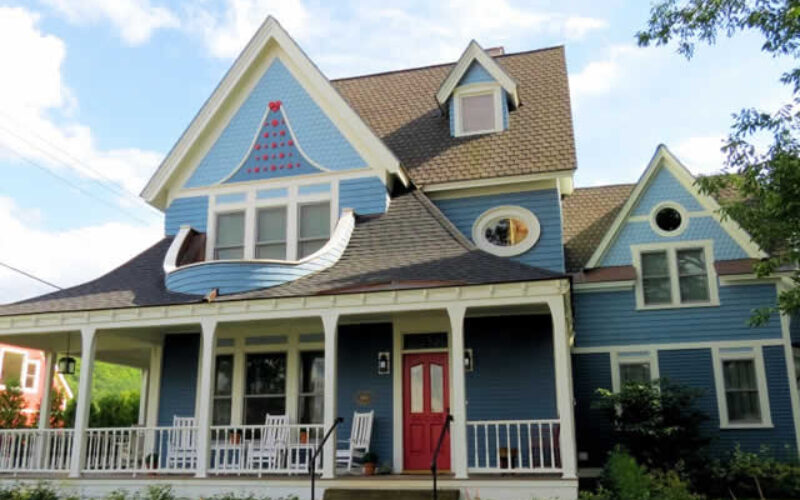
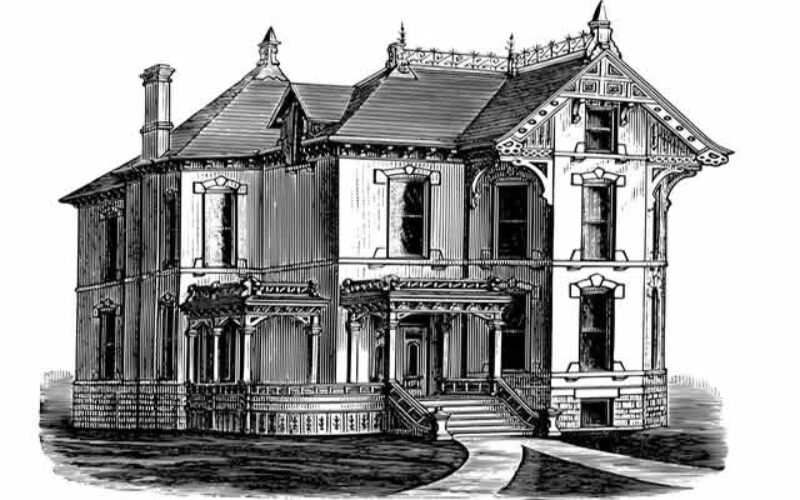
Historic building restoration is the process of repairing or renovating an old structure. The goal of restoration is to restore the building to a like-new condition while preserving its unique original character.
Why Is It Important?
Historic buildings are important because they tell us a lot about history. They also help us understand the evolution of architecture and design throughout the years. By restoring these buildings, we can preserve our past and learn from it.
weather strippingdraft stoppers
some insulating materials to consider
What Materials Should I Use in Historic Building Restoration?
It’s essential to use historically accurate and appropriate materials to restore a historic building. This means you might need to harken back to the days of old and use historical materials as opposed to modern materials.
This is especially true in the case of mortar. You’ll want to use lime mortar on historic buildings, as modern Portland cement can cause irreparable damage to the building’s structure.
The best way to determine what materials are appropriate for your historic building is to consult with a restoration expert. They’ll help you find the best materials to use for your project.
Steps of the Restoration Process
The best restoration method depends on the building’s structure and condition. That said, there are a few general procedures you must follow during every restoration attempt, including:
-
Assessment
During this first step, you assess the condition of the building and draw up a plan for restoring it. You’ll need to determine what you need to repair and replace and what you can leave alone.
energy monitoring systemelectrical plates/outlet covers
some maintenance upgrades to consider
-
Planning and Design
Once you finish the assessment, the planning and design phase begins. In this step, the team works with architects and designers to develop a plan for restoring the building to its original condition.
-
Construction
After finalizing the plan, construction begins. This is often the most time-consuming and expensive part of the restoration process.
-
Finishing Touches
After finishing construction, it’s time to work on the finishing touches. This can include painting, landscaping, and arranging new furnishings.
And those are the basics of what you need to know about historic building restoration. If you’re considering restoring a landmark building, be sure to consult with a restoration expert.
They’ll provide you with valuable advice and guide the direction of your restoration efforts. By using accurate materials and following best practices, you can ensure that your restoration project is successful.
| more topics |
May We Suggest Other Key Topics Addressing
"Restoring Historic Homes"?
 |
New Lease on Life: Five Tips for Restoring Historic Homes |
|
4 Tips for Preserving the Style of a Historic Home While Renovating |
|
Maintenance 101: 4 Ways to Keep up With an Aging Home |
| photo remodeling ideas |
Jump Over to Our Photo Analysis for Ideas About
"Structural Home Projects"
Image Credit: historic building restoration by twenty20.com
end of post … please share it!
@import url(https://www.letsrenovate.com/ideas/wp-content/themes/novomag-theme/css/responsive/menu.css)
|__________________________________________________________|
home remodeling surprise
find out where it might go - new win


Helpful article? Leave us a quick comment below.
And please share this article within your social networks.