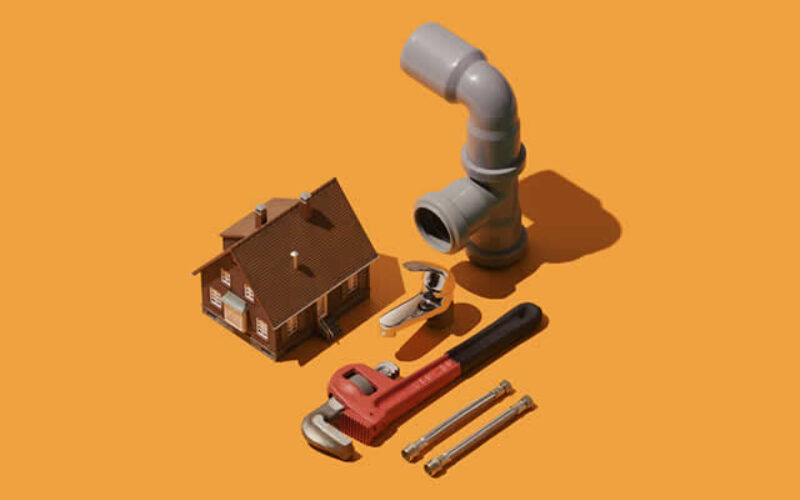
One of these is investing in a cured-in-place pipe (CIPP) relining system. This technology combines several different processes into one seamless operation.
Keep on reading to learn more about CIPP and how it works.
Saves Money
One of the most significant benefits of CIPP relining is that it can save you money. A CIPP system uses a flexible polymer-soaked liner that fits into your existing sewer system. However, these aren’t the only pipe lining accessories that go into a full CIPP installation; others include turn ropes, soft ends, and others.
Once applied, this liner will last up to 50 years before needing replacement. Because no excavation or backfill is necessary during installation, you won’t have to pay for those extra services either.
While it may seem like an expensive upfront investment at first glance, there are many reasons why this method can be cost-effective in the long run:
- You won’t necessarily have to replace entire portions of your worn-out pipe; instead, replace small sections with new liners as needed (which will save time and money).
- You’ll no longer need to worry about finding contractors who can excavate and backfill around your pipes. They’ll be removed during replacement later, which means less work overall.

Saves Time
CIPP is a faster process than traditional methods. Conventional sewer repair can take several days, but CIPP installation only takes one day.
The lining material is injected into the pipe through a special applicator that moves up and down as it lays pipe liners inside your existing pipes. Once the liner is installed, you’ll have to wait for it to cure before water can flow through it again.
Less Disruption
One of the benefits of CIPP is that it doesn’t require excavation, so there’s no need to dig up the pipe and replace it. That means you can have a new, fully functional plumbing system without all the hassle and disruption involved in digging up your yard, removing old pipes, or hiring an excavator.
The other great thing about CIPP is that it doesn’t need significant water shutoffs during installation either. Thus, you don’t lose valuable time when replacing your household’s pipes, so you can enjoy it immediately after installation is complete.
Structural Stability
CIPP lining restores the structural integrity of the pipe. The installation involves applying a resin-based lining material in layers to the interior of your existing pipes. The result is a restored pipe that will perform better and provide you peace of mind, knowing that your system won’t burst or leak anytime soon.
This is especially relevant if you have older pipes running through your home or a business prone to bursting and leaking because they weren’t built considering today’s standards. It’s much less expensive than repair or replacement.
Reduced Ground Water Ingress
If you have an old property without modern building regulations in mind, you have likely experienced issues with groundwater ingress at some point. This can be particularly problematic if your home has been affected by rising wet rot.

Ideas for Home Plumbing and Electrical
Collection of Home Plumbing and Electrical Analysis addressing home plumbing, home wiring, electrical needs, drainage, and maintenance.
The constant moisture causes the timber to decay and can lead to structural problems and mold growth on walls and ceilings.
A CIPP relining system is used in damages brought about by groundwater ingress or other types of dampness. It involves installing new liner material inside your existing pipework systems to match the original pipes.
This prevents further leakage inside the walls and reduces future maintenance costs. CIPP lining also restores flow capacity by returning the pipe to its previous diameter, shape, strength, and pressure rating.
For a pipe to function as designed, it must provide consistent pressure without interruptions or fluctuations. Any problem with your pipes is settled when a CIPP liner is applied; the system will function at its usual capacity again.
Environmentally Friendly
CIPP, also known as ‘lining systems,’ has many benefits to the environment, including being eco-friendly. The system uses water and biodegradable materials (e.g., epoxy resins), so there are no chemicals or toxins involved in the process.
CIPP also does not require additional material for relining, so it is a closed-loop system that reduces waste and saves money on disposal costs.
In addition to being sustainable, CIPP has a low environmental impact because of its process—treating what needs to be treated rather than treating an entire area every time it becomes contaminated by spills or leaks.
This makes it an excellent sewer pipe lining system for your home as efficiency in reparability don’t often couple with being eco-friendly.
other related articles of interest:
Conclusion
CIPP lining is a superb solution for pipe repair because of its many benefits. If you own a home or business, it’s vital to have your pipes checked regularly for damage and leaks.
A CIPP relining system can help save time, money, and energy when replacing old pipe sections with new ones. With all these benefits, there’s no reason why every household shouldn’t consider investing in this technology.
Find Plumbing Services Plumbing Issues Drain Clearing Septic/Sewers Water Heaters Pumps Water Softening top-rated, pre-screened local contractors FREE: download contractor selection enter zip code – powered by HomeAdvisor ™

Image credit: CIPP relining system by envato.com
end of post … please share it!
@import url(https://www.letsrenovate.com/ideas/wp-content/themes/novomag-theme/css/responsive/menu.css)
|__________________________________________________________|
home remodeling surprise
find out where it might go - new win


Helpful article? Leave us a quick comment below.
And please share this article within your social networks.