Just because a company claims to have the most efficient system, doesn’t mean they’re the most efficient in all climates. You will need to consider dozens of factors and variables before making a decision, and choosing the wrong system could cost you thousands in the coming years.
Here is a quick look at the pros and cons of some of the most popular home heating systems.
Furnace (Forced Air)
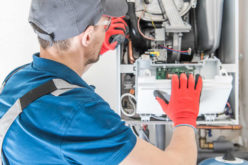
Forced air heating systems are extremely common, and most modern homes are built with these natural gas systems. A forced air HVAC system will use natural gas to heat up the air before it sends it through a home’s ducts. While these systems are remarkably durable, they can also be quite noisy when they aren’t properly maintained.
These systems operate to heat your home quickly regardless of the temperature outside. If you live in an area that has turbulent and ever-changing weather, a forced air heating system is going to be a great option for maintaining consistency in your heating

Heat Pump
A heat pump will heat and cool your home throughout the year, and this device is perfect for those who want to be as eco-friendly as possible. These devices are much more efficient than forced air systems because they rely on refrigerants instead of natural gas.
The downside is that these systems work best in a temperate climate. If you live somewhere that is prone to extreme fluctuations in weather, you may be better off with a more traditional system to avoid overworking a heat pump
Ductless Mini-Split System
| Find Home Heating Services | |||
 |
Central Heating | |
Radiant Heat |
|
Fireplaces | |
Thermostats |
| top-rated, pre-screened local contractors | |||
 |
FREE: download contractor selection | ||
| enter zip code – powered by HomeAdvisor ™ | |||
If you live in a larger home that is located in a colder climate, then you might want to consider a ductless mini-split system. Instead of keeping the entire home at the same temperature, mini-split units allow you to create different HVAC zones in every room.
With one of these systems, you won’t have to worry about heating up empty rooms during the coldest months of the year. This is especially helpful for those who don’t spend a lot of time in every room and don’t want to waste money where it isn’t needed.
Radiant Heating
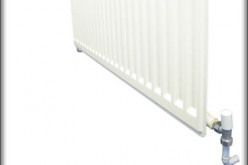
Installing radiant heating tubes can be pricey, but these systems are remarkably efficient. A radiant heating distribution system will send hot water or electric heat throughout your home in small tubes that are built into your walls or floors.
You can also combine radiant systems with a furnace or heat pump if you live in an extremely cold climate. These work well for areas that become cold but maintain fairly steady temperatures throughout a 24-hour period, as this system is efficient in energy but slow in changing overall room temperature.

Being aware of your budget and climate is important to choosing the right heating system. Some systems that are geared for the best energy efficiency aren’t equipped to handle sudden blizzards. If you live in an area where the temperature is fairly regular, however, you may be wasting money by going for the more robust but more energy-consuming systems.
Talk to neighbors and professionals in the area to learn more about how different systems perform in your particular climate, and you’ll be prepared for the greatest efficiency tailored to your needs.
end of post … please share it!
| google+ |
REMODELING STEPS: step1 – analyze the numbers
|__________________________________________________________|
home remodeling surprise
find out where it might go - new win


Helpful article? Leave us a quick comment below.
And please share this article within your social networks.