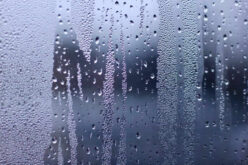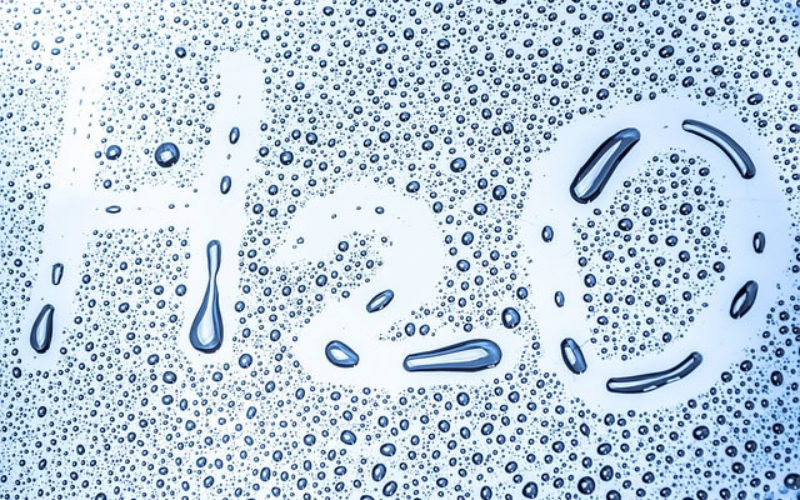
Condensation means there is more humidity in the home than the air can handle. The water droplets on the outside a cold glass on a hot humid day form in the same way water can drip down your windows and patio doors.
Any human activity that involves water inside of the house will increase the moisture content of the air and can lead to condensation. Excess moisture will flow throughout the house due to vapor pressure, even through concrete walls. This moisture can then wreak havoc on anything in there, rotting insulation, blistering paint, and causing mildew and mold to form.

Condesation Can Lead to Mold Growth
It’s easy to see how mold can form when there is a major water damage issue like a burst pipe. Controlling that much water has to be done by professionals to avoid rapid mold growth. But condensation is more insidious. Mold can grow inside your walls in the insulation if the condensation level is high enough. Once the home gets damp enough for the inner walls to feel wet, you can expect mold.
Controlling humidity in the home to avoid condensation is done in two ways. First, actions that create moist air in the home must be controlled so the warm air doesn’t stay in the house. This is why dryers have an external vent to the outside, and why your house can feel like a sauna if the vent is disconnected. Cooking and washing the body also put a lot of moisture into the air. Use the exhaust fans in the kitchen and the bathroom to move moist air out of the area.
The Need for Home Ventilation
Solving that part of the humidity equation is the easy part. The second part involves how your home is ventilated. Air needs to move through the home so that humidity can go out and drier air can come in. Older homes often have a lot of ventilation already due to age, but if you’ve sealed up your home or you have a newer one, you need to make sure the structure has enough ventilation to keep the air moving.
There are a number of ways to do this. A simple attic fan and vents along the gables can be enough in a warm climate, but homes in cold climates are more susceptible to condensation. In this case, options like positive input ventilation or a heat-recovery ventilation unit may be needed. In all cases, more insulation will reduce condensation so long as moisture in the home is controlled. Installing double-glazed windows will also help.
Home Ventilation & Indoor Air Quality:
How Much Moisture is Okay?
It depends. The colder the outside temperature, the easier condensation will form. Even if condensation sources are controlled, just breathing might put enough moisture in the air to cause dampness if it is cold enough.
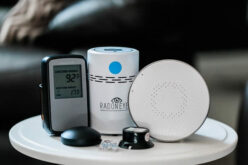
You can use a humidity meter to check the amount of moisture in the air. Assuming your inside temperature is 70 degrees, once the outside temperature hits 40 degrees there should be no more than 40% relative humidity in the home. As the temperature decreases, so too should the humidity. At -30 degrees, the maximum should be 15%. Cold air is drier, so if there is adequate ventilation your home’s humidity should drop with the temperature. However, if it doesn’t then you should investigate the problem before condensation forms whether it’s because of already existing water damage problem or some small leak.
| google+ |
|__________________________________________________________|
home remodeling surprise
find out where it might go - new win


Helpful article? Leave us a quick comment below.
And please share this article within your social networks.