Quick Answer:
An all-season sunroom provides the consistent warmth and light that tree plants need to thrive indoors year-round. The best options include ficus, dwarf citrus, olive, avocado, and fig trees. Each requires bright light (6–12 hours daily), well-draining soil, seasonal fertilizing, and regular pest monitoring to stay healthy across all four seasons.
The answer is yes—and the results can be extraordinary. An all-season sunroom creates a genuinely hospitable environment for a select group of indoor trees that reward consistent care with lush foliage, fragrant blossoms, and even edible fruit.
The key is matching the right species to your space and understanding how care needs shift across the seasons. Trees are not static houseplants.
They respond to light changes, temperature swings, and humidity levels in ways that a pothos on a shelf simply does not. Getting that relationship right takes a little knowledge—and that’s exactly what this guide provides.
Here’s what you need to know.
- post content
- The Best Trees to Grow
- Light and Temperature Management
- Watering and Fertilizing Through the Seasons
- Pest Management and Disease Prevention
- Growing Your Sunroom Garden With Confidence
- FAQs
- view table:content summary
- view notes:collective tips
- view analysis:Convert an Existing Interior Room Into a Sunroom
- view ideas:latest remodeling analysis
The Best Trees to Grow
Adding trees to your sunroom can transform it into a lush, serene retreat for both you and your plants. The controlled environment supports a surprising variety of species, offering year-round greenery, fresh fruit, or fragrant blossoms — but choosing the right tree is essential.
Start by considering your sunroom’s light levels, temperature range, and available space. Citrus trees flourish in bright, warm conditions, while ficus varieties adapt well to moderate light.
Match the right species to your environment, and you’ll have a thriving indoor oasis to enjoy all year long.
-
Ficus Trees
Few indoor trees are as adaptable or as rewarding as the ficus. Ficus species, particularly the weeping fig (Ficus benjamina) and the fiddle leaf fig (Ficus lyrata), thrive in the bright, consistent light that a well-oriented sunroom provides.
According to HGTV’s plant care guides, ficus trees prefer bright, indirect sunlight and should be kept in spaces that stay above 55–60°F during winter months. One important note: ficus trees dislike being relocated.
Once you find the right spot, leave it there. Moving the plant even a few feet can trigger significant leaf drop, though new growth typically returns once the tree settles.
-
Citrus Trees
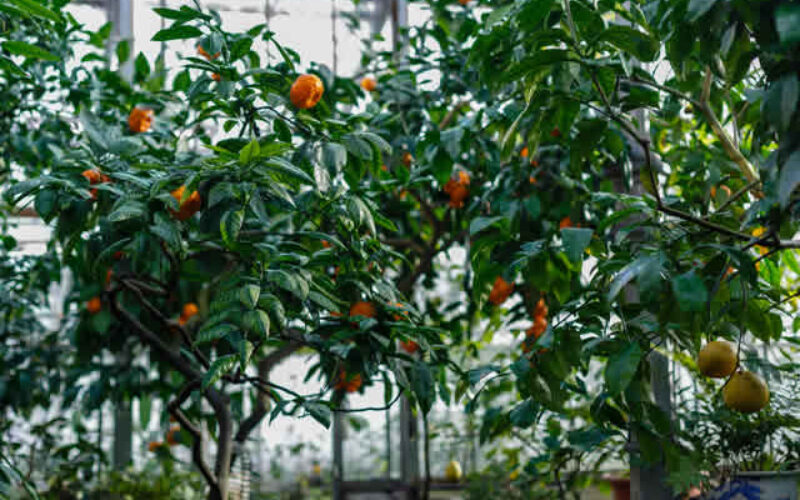
Lemon and lime trees are among the most satisfying trees you can grow in a sunroom. They produce fragrant blossoms, glossy foliage, and — with sufficient sunlight — edible fruit.
Edible Landscaping’s citrus care guide recommends a 15–25 gallon container for long-term growth, using a light, well-draining soil mix, and placing the tree near a south-facing window for maximum sun exposure.
In winter, supplemental full-spectrum lighting kept on for up to 16 hours can support healthy development when natural light diminishes. Dwarf varieties, including Meyer lemon and calamondin orange, are especially well suited to sunroom conditions.
-
Olive Tree
The olive tree brings a calm, Mediterranean elegance that pairs beautifully with a sunroom environment. These trees require at least six hours of direct sunlight per day, making a south- or east-facing sunroom an ideal home.
They prefer dry, well-draining soil and relatively low humidity — conditions that many all-season sunrooms naturally provide. Water established olive trees approximately once per week, allowing the top inch of soil to dry between waterings.
Dwarf varieties typically reach a manageable 6 feet, making them practical for indoor spaces with standard ceiling heights.
-
Avocado Trees
Avocado trees require more attention than the others on this list, but the payoff in foliage drama is considerable. They need six or more hours of bright light daily, warm temperatures consistently between 60–85°F, and well-draining soil kept evenly moist.
A sunroom with strong south-facing exposure is the ideal setting. Container-grown avocado trees rarely produce fruit indoors, but their large, lush leaves make them a striking living focal point.
Repot annually or whenever roots begin emerging from drainage holes to keep the tree growing vigorously.
-
Fig Trees
According to Monrovia’s fig tree care guide, fig trees thrive in full sun — and generally, the more sun they receive, the better they perform. In a sunroom, this makes them a natural fit.
Fig trees (Ficus carica) prefer consistent moisture during the growing season but tolerate drought once established. They fruit on new wood, which means even if cold drafts cause some dieback, healthy roots will produce vigorous new growth the following spring.
Compact varieties like the Fignomenal® Dwarf Fig grow to just 28 inches, making container culture in a sunroom entirely practical.
why have a sunroom?
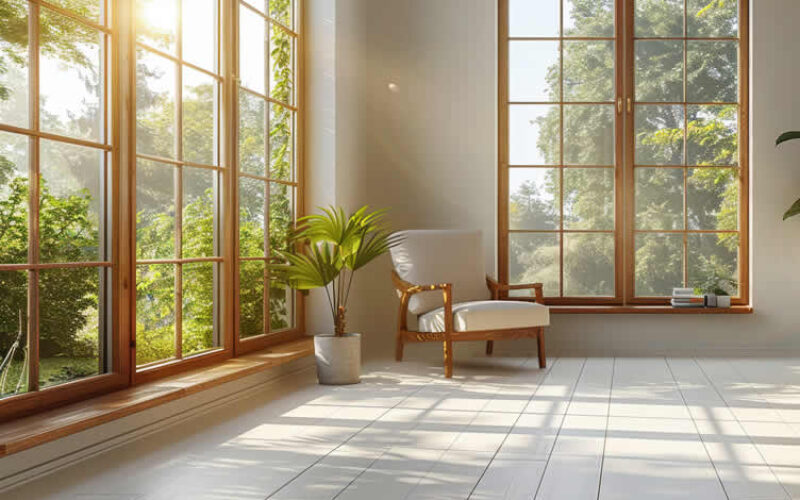
Why Convert an Existing Interior Room Into a Sunroom
Unlike a traditional sunroom addition, converting an existing interior room into a year-round sun-filled sanctuary requires thoughtful planning, technical expertise, and a clear understanding of your family’s needs.

Light and Temperature Management
Positioning matters more than most growers expect. A south-facing sunroom receives the most direct sunlight year-round and suits sun-demanding trees like citrus, olive, and fig particularly well.
East-facing exposure delivers softer morning light — better for ficus and avocado, which prefer bright but indirect conditions. West-facing sunrooms generate intense afternoon heat that can stress many species without adequate shading or ventilation.
During summer, heat management becomes a priority. Using ceiling fans, operable roof vents, or shading panels prevents temperatures from climbing into ranges that cause leaf scorch and moisture stress. The goal is to maintain consistent temperatures between 65–75°F year-round.
In winter, keep trees away from cold drafts, poorly insulated glass panels, and heating vents that create sudden temperature swings.
A hygrometer helps you monitor humidity levels; according to Sunshine Rooms’ indoor plant guide, the optimal indoor humidity range for most sunroom trees is 40–60%.
Watering and Fertilizing Through the Seasons
Spring and summer are the active growth periods for all five tree types covered here. During these months, water more frequently — checking soil moisture every few days rather than on a fixed schedule.
The general rule is to water when the top inch of soil feels dry, though citrus trees benefit from keeping the soil consistently moist throughout the growing season without becoming waterlogged.
Always use containers with drainage holes, and choose a high-quality, well-draining potting mix appropriate to each species.
As fall arrives and growth slows, reduce watering frequency noticeably. Winter calls for further restraint — most indoor trees, citrus in particular, enter a semi-dormant period during which overwatering is the fastest route to root rot. Let the top inch of soil dry more fully before watering again.
Fertilizing follows the same seasonal rhythm. Apply a balanced, slow-release fertilizer or a species-specific formula — such as a nitrogen-rich citrus fertilizer — during spring and summer only.
Edible Landscaping recommends fertilizing citrus trees during active growth and avoiding any fertilizing during dormancy.
For olive trees, a light application of slow-release fertilizer twice yearly is sufficient. Ficus and fig trees respond well to a balanced all-purpose fertilizer applied monthly through the growing season.
Pest Management and Disease Prevention
Indoor trees are not immune to pests. Without the natural predators found outdoors, infestations can escalate quickly if not caught early. Inspect foliage — particularly the undersides of leaves and areas near branching points — at least once a week.
The most common culprits across all five species are aphids, spider mites, and scale insects. For aphids and scale, Edible Landscaping’s citrus guide recommends wiping affected areas with 65% rubbing alcohol diluted with water, repeating the treatment every five days to ensure any hatching eggs are also eliminated.
For mites, neem oil extract (Azatin) or insecticidal soap applied directly to foliage works effectively. Ficus trees are prone to both mites and aphids; dusting the leaves monthly with a damp cloth removes dust buildup that can shelter mite populations.
Fungal issues — such as fig rust — develop when humidity is too high and airflow is inadequate. Pruning trees to improve internal air circulation, avoiding overhead watering, and ensuring the sunroom has active ventilation all reduce disease susceptibility significantly.
Good airflow is not just a comfort measure; it is a core part of keeping sunroom trees healthy throughout the year.
Growing Your Sunroom Garden With Confidence
An all-season sunroom, managed thoughtfully, can support a thriving collection of trees that provide structure, fragrance, and fruit across every month of the year.
Matching each tree to the right light position, watering according to seasonal rhythms rather than habit, staying current with inspections, and maintaining airflow will carry most of these species from one year to the next with genuine success.
Start with one or two species that match your sunroom’s natural orientation. Build your confidence with those before expanding. The ficus and the fig are forgiving choices for beginners; citrus rewards patience and precise care with extraordinary sensory returns.
Whichever trees you choose, the sunroom gives them a genuine advantage — and with the right foundation, they will give your space something remarkable in return.
something of interest regarding trees

The Hidden Intelligence Of The Mycorrhizal Network
The mycorrhizal network is not fiction or folklore. Scientists have documented these fungal highways in forests, grasslands, and home gardens around the world.
Frequently Asked Questions
-
What trees grow best in an all-season sunroom?
The best trees for an all-season sunroom are ficus varieties, dwarf citrus (Meyer lemon, kumquat, kaffir lime), olive trees, dwarf fig (‘Petite Negra’), and avocado trees.
All five perform well in bright, consistently warm indoor environments that maintain temperatures between 65°F and 75°F.
-
How many hours of sunlight do sunroom trees need each day?
Most sunroom trees require a minimum of 6 hours of direct or bright indirect sunlight daily. Dwarf citrus and fig trees perform best with 8 to 12 hours.
If your sunroom receives limited winter light, LED grow lights placed 6 to 12 inches above the canopy can supplement natural sunlight effectively.
-
When should I fertilize indoor trees in a sunroom?
Fertilize during active growing seasons only—typically spring through late summer. Ficus trees benefit from balanced fertilizer (10-10-10) from March through October.
Citrus trees need a nitrogen-forward fertilizer applied at least three times during the growing season. Stop feeding all species by early fall and avoid fertilizing entirely in winter.
-
How do I prevent pests on indoor sunroom trees?
Inspect foliage and stems weekly, focusing on leaf undersides. Treat pest infestations with insecticidal soap or horticultural oil applied according to product label directions.
Maintain proper air circulation with a small fan, and always inspect outdoor plants thoroughly before returning them to the sunroom in autumn.
-
Can citrus trees actually produce fruit in an all-season sunroom?
Yes. Dwarf citrus varieties such as Meyer lemon and kumquat can produce edible fruit indoors when they receive 8 to 12 hours of bright light and are hand-pollinated during their indoor flowering period.
Use a small dry paintbrush to transfer pollen between flowers. Outdoor pollination occurs naturally when trees are placed outside during summer.
-
Is an olive tree a good choice for a low-maintenance sunroom tree?
Olive trees are one of the most manageable sunroom trees available. They are drought-tolerant, prefer dry indoor air (no misting required), and need fertilizing only twice per year.
They do require a minimum of 6 hours of direct sunlight daily and well-draining soil, but they tolerate periods of neglect far better than citrus or ficus.
-
What temperature should an all-season sunroom maintain for indoor trees?
Most sunroom trees thrive at daytime temperatures between 65°F and 75°F. Citrus trees specifically benefit from slightly cooler nighttime temperatures of 55°F to 65°F, which promotes flower development.
Ficus and avocado trees are sensitive to temperatures below 60°F and should be protected from cold drafts near windows during winter months.
home improvement ideas to consider (complete directory – new win):

| Tree Type | Ideal Conditions | Highlights |
|---|---|---|
| Ficus Trees | Bright, indirect sunlight; temperatures above 55–60°F; avoid relocation to prevent leaf drop. | Highly adaptable; lush foliage; rewards consistent care in sunrooms. |
| Citrus Trees | 6–12 hours of sunlight; temperatures between 65°F–75°F; well-draining soil; winter supplemental lighting may be needed. | Fragrant blossoms; edible fruit; popular varieties include Meyer lemon and calamondin orange. |
| Olive Trees | At least 6 hours of direct sunlight; dry, well-draining soil; moderate watering once a week. | Low-maintenance; Mediterranean aesthetic; tolerates dry indoor air. |
| Avocado Trees | 6 or more hours of bright light; temperatures of 60°F–85°F; evenly moist, well-draining soil. | Lush, dramatic foliage; rarely produces fruit indoors but adds vibrant greenery. |
| Fig Trees | Full sun; consistent moisture during growth; tolerates dry periods once established. | Produces edible fruit; compact varieties like Fignomenal® Dwarf Fig are practical for small spaces. |

Find Landscaping/Maintenance Landscape Design Landscape Maintenance Pest Control Sprinkler Systems Tree & Shrubs Water Features top-rated, pre-screened local contractors FREE: download contractor selection enter zip code – powered by HomeAdvisor ™


Image credit: trees for all-season sunrooms by envato.com
end of post … please share it!
| more photo remodeling |
Jump Over to Our Photo Analysis Center for Ideas on
"Renovating Home"
|__________________________________________________________|
home remodeling surprise
find out where it might go - new win


Helpful article? Leave us a quick comment below.
And please share this article within your social networks.