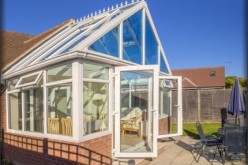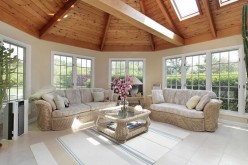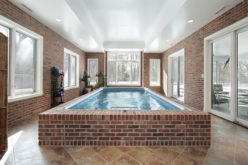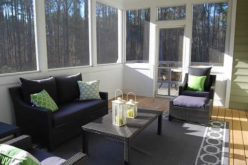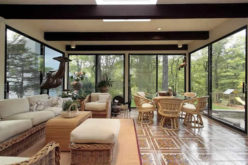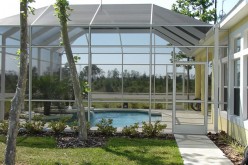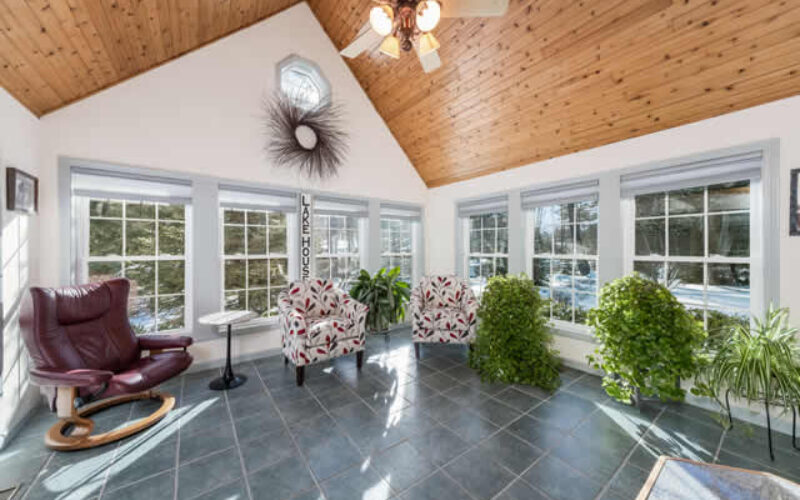
Whether you’re building from scratch or retrofitting an existing space, this guide walks you through everything you need to know to create an energy-efficient sunroom that works all year long.
- post content
- Principles Of Solar Heat Gain And Insulation
- Structural Integrity And Orientation Of Your Sunroom
- High Performance Glazing And Window Treatments
- Advanced HVAC Solutions And Supplemental Heating Systems
- Optimizing Airflow And Ventilation Strategies
- Sustainable Materials And Energy Efficient Interior Design
- Long Term Maintenance And Value Preservation
- Make Your Sunroom Work Harder For You
- view table:content summary
- view notes:collective tips
- view ideas:latest remodeling analysis
- related post (new win):Indoor Plant Stands
Principles Of Solar Heat Gain And Insulation
Before touching a single panel or window, it helps to understand what’s actually happening in your sunroom thermally. Solar heat gain refers to the temperature increase caused by incoming solar radiation. Too much of it in summer makes the room unbearable; too little in winter defeats the purpose of having a sunroom at all.

The Solar Heat Gain Coefficient (SHGC) is the metric used to measure this. It ranges from 0 to 1—the lower the number, the less solar heat the glazing transmits.
For sunrooms in warmer climates, a lower SHGC (around 0.25–0.40) is typically recommended to limit overheating. In colder climates, a slightly higher SHGC can help passively warm the space during daylight hours.
Insulation works alongside glazing to retain whatever temperature you’ve achieved. Walls, floors, and ceilings that aren’t properly insulated will bleed heat in winter and absorb excess heat in summer.
The U.S. Department of Energy recommends understanding your local climate zone before making insulation decisions, as R-value requirements vary significantly by region.

Structural Integrity And Orientation Of Your Sunroom
Orientation matters more than most homeowners realize. A south-facing sunroom (in the Northern Hemisphere) receives the most consistent sunlight throughout the day, making it the most thermally advantageous. East-facing rooms warm quickly in the morning but cool off by afternoon, while west-facing rooms can overheat in summer evenings.
Before retrofitting, walk through the space in different seasons and at different times of day. Note where heat accumulates, where drafts come through, and whether the foundation, framing, and roof are in sound condition.
Any energy-efficiency upgrades you make will be undermined by gaps, cracks, or structural weaknesses that allow conditioned air to escape.
A professional energy audit can be a worthwhile investment at this stage. Auditors use tools like blower door tests and thermal imaging cameras to identify exactly where your sunroom is losing energy—information that helps you prioritize where to spend your renovation budget.
High Performance Glazing And Window Treatments
Glazing is arguably the most critical component of an energy-efficient sunroom. Single-pane glass, while common in older sunrooms, offers almost no insulating value. Upgrading to double- or triple-pane low-emissivity (Low-E) glass can dramatically reduce heat loss in winter and limit solar heat gain in summer.
Low-E coatings work by reflecting infrared light—keeping heat inside during cold months and outside during warm ones. When paired with argon or krypton gas fills between the panes, these windows can achieve U-values (a measure of heat transfer) as low as 0.20, compared to 1.0 or more for single-pane alternatives.
Window treatments add another layer of control. Cellular (honeycomb) shades are particularly effective because their air pockets trap heat, functioning almost like an extra layer of insulation.
For summer heat management, exterior solar shades or retractable awnings can block direct sunlight before it even reaches the glass—far more effective than interior blinds, which allow the heat to enter first.
more info below
The Long-Term Benefits of Investing in High-Quality Windows
Windows are an important part of any home and can have a major impact on its curb appeal, energy efficiency, and resale value.
Advanced HVAC Solutions And Supplemental Heating Systems
A sunroom that connects to your home’s central HVAC system is a convenience, but extending ductwork to the space isn’t always efficient or even possible. Many homeowners find that targeted supplemental systems work better.
Mini-split heat pumps are widely regarded as one of the most efficient options for sunrooms. They provide both heating and cooling, require no ductwork, and can be installed with minimal disruption to the existing structure.
Modern units operate efficiently even when outdoor temperatures drop well below freezing—an important consideration for year-round use.
Radiant floor heating is another strong option, particularly for sunrooms with tile or stone flooring. By warming surfaces rather than air, radiant systems provide a more even, comfortable heat that doesn’t dry out the room or create hot and cold spots. This system works especially well when paired with a well-insulated slab foundation.
Whatever system you choose, make sure it’s appropriately sized for the space. An oversized unit will short-cycle, reducing efficiency and humidity control.
An undersized one will run constantly without achieving the desired temperature. Consulting an HVAC professional for accurate load calculations is always worth the effort.
Optimizing Airflow And Ventilation Strategies
Even the most energy-efficient sunroom needs proper ventilation. Without it, heat builds up rapidly on sunny days, and moisture can accumulate and cause long-term damage to the structure and finishes.
Operable skylights and clerestory windows near the roofline are highly effective for releasing trapped hot air—a principle known as the stack effect, where warm air rises and escapes through high openings while cooler air is drawn in from lower vents. This natural ventilation strategy can significantly reduce the need for mechanical cooling during mild weather.
Ceiling fans complement this approach nicely. Running counterclockwise in summer, they push cool air down and create a wind-chill effect that makes the room feel several degrees cooler without changing the actual temperature.
In winter, reversing the direction circulates warm air that rises to the ceiling back down into the living space.
For humid climates, a small dehumidifier or a heat pump system with built-in dehumidification will prevent condensation on windows and protect wood framing and furniture from moisture damage.
Sustainable Materials And Energy Efficient Interior Design
The materials inside your sunroom affect its thermal performance more than you might expect. Dark, dense flooring materials like slate or ceramic tile absorb and store solar heat during the day, then slowly release it at night—a concept known as thermal mass. This can reduce temperature swings and lower the demand on your heating system.
For walls and ceilings, consider materials with high recycled content or low embodied energy. Reclaimed wood, for example, adds warmth and character while being a more sustainable choice than new timber. Insulated wall panels made from recycled materials are another option that combines thermal performance with environmental responsibility.
Furnishings and textiles also play a role. Light-colored furniture reflects heat rather than absorbing it, which helps keep the room cooler in summer. Layered rugs add insulation to floors, and thermal curtains can be drawn during cold nights to reduce heat loss through the glass.
about sustainable interior design

Sustainable Interior Design Ideas for a More Eco-Friendly Home
Homeowners today are increasingly focusing on more sustainable living practices. Many people are looking for ways to lessen their environmental impact, and their homes are a great place to start.
Long Term Maintenance And Value Preservation
An energy-efficient sunroom is an investment, and like any investment, it requires upkeep. Inspect weatherstripping and seals around windows and doors at least once a year—these are the first components to degrade and the easiest to replace. Even small gaps can significantly impact thermal performance over time.
Clean your glazing regularly, as dirt and mineral deposits can reduce light transmission and affect Low-E coating performance. Check roof panels and flashing for signs of cracking or water infiltration, particularly after severe weather.
Document all upgrades you make—glazing specifications, insulation R-values, HVAC model numbers, and installation dates. This information is valuable for maintenance planning and adds tangible documentation of your home’s improvements for future buyers.
Make Your Sunroom Work Harder For You
A sunroom that’s too hot to use in July and too drafty to enjoy in January isn’t living up to its potential. With thoughtful choices around glazing, insulation, ventilation, and heating, you can transform it into one of the most-used rooms in your home—comfortable in every season and kind to your energy bills.
Start by assessing what you currently have. Identify the weak points, prioritize the upgrades with the highest return on comfort and efficiency, and build from there.
If you’re unsure where to begin, an energy auditor or a contractor who specializes in sunroom design can offer personalized guidance based on your specific home, climate, and goals.
Your ideal sunroom—warm in winter, cool in summer, beautiful all year—is well within reach.
other related analysis of interest: (new win)
Guide To Choosing The Right Duster For Every Surface In Your Home
Change-Up Your Outdoors: The Ultimate Spring Garden Furniture Guide
| Section | Content | Key Details |
|---|---|---|
| Introduction | Designing an energy-efficient sunroom that is comfortable year-round is achievable with thoughtful choices. | Addresses challenges like temperature extremes and high energy bills while providing solutions for improvement. |
| Understanding Solar Heat Gain and Insulation | Explains solar heat gain and insulation as critical factors for maintaining temperature control in a sunroom. | SHGC ranges, insulation importance, and climate considerations described. |
| Structural Assessment | Highlights the importance of evaluating the sunroom’s structural integrity and orientation for energy efficiency upgrades. | South-facing orientation is preferred for maximum sunlight, with details about energy audits and identifying weak points. |
| Glazing and Window Treatments | Describes the role of advanced glazing techniques and window treatments to enhance insulation and solar heat control. | Mentions Low-E glass, argon gas fills, cellular shades, and external shades as effective tools. |
| HVAC and Supplemental Heating | Details options like mini-split heat pumps and radiant floor heating to ensure consistent year-round temperatures. | Stresses the importance of accurate load calculations and professional consultation for optimal system sizing. |
| Ventilation Strategies | Explores airflow optimization to regulate seasonal climate changes within the sunroom. | Discusses the stack effect with operable skylights, ceiling fans, and dehumidifiers for humid climates. |
| Sustainable Materials | Encourages using eco-friendly materials and interior designs that contribute to the sunroom’s thermal performance. | Thermal mass properties, recycled materials, and light-colored furniture are key design elements. |
| Maintenance | Recommends regular inspections and upkeep to preserve the sunroom’s efficiency and value over time. | Includes tips for cleaning glazing, checking seals, and recording upgrade details for future reference. |
| Final Tips | Encourages homeowners to prioritize upgrades, assess existing conditions, and consult professionals if needed. | Focuses on achieving comfort, energy efficiency, and long-term usability in the sunroom space. |

Find Home Remodeling Services Additions Major Remodels Minor Remodels Disability Needs Plumbing Drain Clearing Appliances Electrical top-rated, pre-screened local contractors FREE: download contractor selection enter zip code – powered by HomeAdvisor ™


Image credit: energy-efficient sunroom by envato.com
end of post … please share it!
| more photo remodeling |
Jump Over to Our Photo Analysis Center for Ideas on
"Renovating Home"
|__________________________________________________________|
home remodeling surprise
find out where it might go - new win


Helpful article? Leave us a quick comment below.
And please share this article within your social networks.