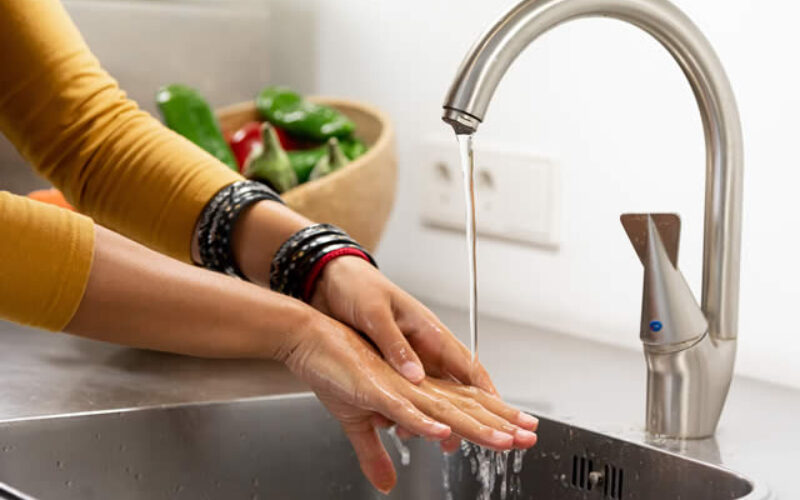
Quick answer:
Touchless kitchen and bathroom faucets use sensors to detect motion, sending a signal to an internal valve that automatically starts the water flow. These smart fixtures require a power source, such as a battery pack or AC transformer, to operate.Touchless faucets (amazon) reduce the spread of household germs, conserve water, and provide hands-free convenience, making them a highly beneficial upgrade for busy families.
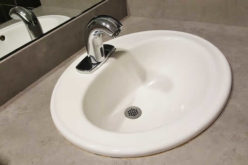
Those everyday moments of trying to nudge the water handle open with an elbow are more common than you might think. Touchless kitchen and bathroom faucets offer a practical, hygienic solution that transforms chaotic sink spaces into efficient, streamlined environments.
Touchless plumbing fixtures eliminate the need to physically turn knobs or pull levers. By upgrading your home hardware, you create a more sanitary living space that protects your family from cross-contamination.
This guide delves into exactly how touchless kitchen and bathroom faucets function, what the installation process entails, and how to maintain them over time.
We will provide all the necessary insights so you can confidently determine if this modern plumbing upgrade aligns with your lifestyle and budget.
How Do Touchless Faucets Work?
Understanding the technology behind these sleek fixtures demystifies the upgrade process. Most modern touchless faucets rely on infrared motion sensors to operate, although some specific models utilize capacitive or ultrasonic sensing technologies.

When you wave your hand or place an object inside the designated detection zone near the spout, the sensor registers the movement.
Once the motion is detected, the sensor immediately transmits an electronic signal to a solenoid valve located inside the fixture. This valve physically opens to allow water to flow freely.
When you remove your hands from the detection zone, or after a brief pre-programmed timeout, the sensor stops detecting motion and signals the valve to close again.
Many high-quality touchless models also incorporate a manual override handle or hybrid touch capabilities. This manual fallback feature is incredibly useful if the sensor is temporarily obstructed or if the power source is depleted, ensuring you always have access to running water.

What Are The Core Components?
Every touchless faucet relies on a few critical pieces of hardware working together seamlessly. The sensor is the most visible piece, typically located at the base or under the arch of the spout.
The solenoid valve acts as the gatekeeper for your water supply, physically starting and stopping the flow based on electronic commands.
Because these smart home plumbing fixtures rely on electronics, they require a dedicated power source separate from your main water lines.
Homeowners generally choose between two power options: a battery pack mounted beneath the sink or an under-sink AC transformer plugged into a standard electrical outlet. Battery-powered models offer a simpler installation for existing sink setups, while AC transformers provide a continuous power supply without the need for future battery replacements.
How To Install The Faucet?
Upgrading to a touchless system might sound intimidating, but the installation process closely mirrors a standard faucet replacement, with just a few additional steps for the electronic components.
You begin the project by completely shutting off your hot and cold water supply valves to prevent any accidental flooding. Next, you carefully disconnect the supply lines and remove your old, traditional faucet from the sink deck.
Mounting the new touchless fixture involves feeding the primary hoses and sensor cables down through the sink hole. Once the hardware is securely fastened to the countertop, you connect the hot and cold water supply lines. The crucial next step is mounting the control box, which houses the solenoid valve, underneath the sink.
After attaching the sensor cables to the control box, you install your chosen power source, whether that involves inserting batteries into the battery pack or plugging in the AC transformer.
Finally, you slowly turn the water supply back on, test all connections thoroughly for leaks, flush the water lines, and wave your hand to check the sensor sensitivity.
Hardwired power models may require a slightly more involved installation, but the overall process remains accessible for confident DIY enthusiasts.
something of interest below
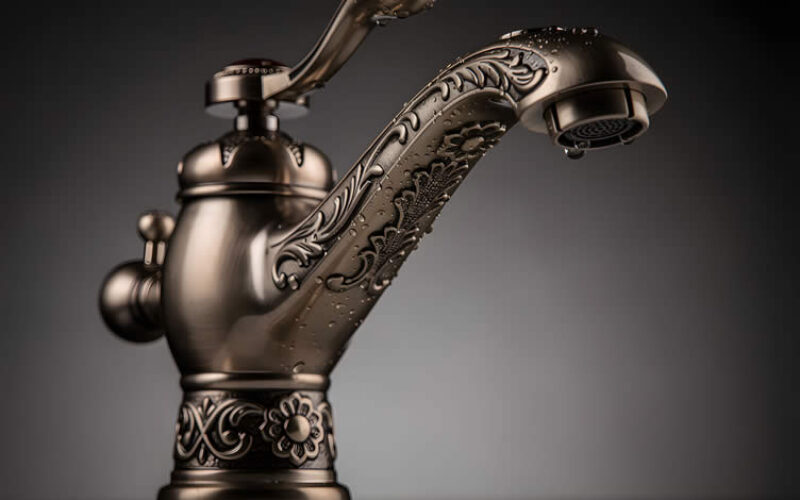
The Complete Guide to Choosing the Perfect Bathroom Faucet
Choosing a new bathroom faucet might seem straightforward until you start browsing online or walking through a home improvement store.
How To Maintain The Faucet?
Caring for your new fixture requires very light effort, allowing you more time to enjoy your beautifully upgraded space. The primary goal is keeping the sensor window clean and dry so it can accurately detect motion.
You should wipe the faucet down regularly using a soft cloth and mild, non-abrasive cleaners. Harsh chemicals or heavy scrubbing pads can easily scratch the sensor window or damage the elegant finish of the metal.
The most common recurring maintenance task involves replacing the batteries when the system runs low. Most touchless models feature a blinking LED light that alerts you well before the power completely drains.
If your faucet ever begins acting erratically, such as turning on randomly or experiencing low water pressure, the first troubleshooting steps are to replace the batteries, wipe away any hard water spots obstructing the sensor, and clean out the internal water filter.
Are Touchless Faucets Worth It?
For many households, upgrading to hands-free technology is absolutely worth it, especially if you deeply value hygiene, daily convenience, and long-term water savings. They are particularly useful in busy, bustling kitchens where culinary messes happen daily.
They also provide incredible accessibility for young children or family members with limited dexterity, making handwashing an effortless and independent task for everyone in the home.
The primary tradeoff to consider is the higher upfront cost and slightly more complex installation compared to a basic manual faucet. You must also factor in the occasional battery replacements or minor sensor troubleshooting over the years.
However, these fixtures naturally prevent you from leaving the water running while scrubbing pots or lathering hands, subtly encouraging a more eco-friendly lifestyle that benefits both your utility bills and our precious natural resources.
When planning a budget-focused remodel, a good rule of thumb is to prioritize this upgrade in the kitchen first, as that is where raw food handling and heavy cleanup occur most often. You can then thoughtfully introduce them into the bathrooms where convenience or accessibility matters most to your loved ones.
If you want the simplest, cheapest, and lowest-maintenance fixture possible, a traditional faucet might still be your preference. But for those wanting cleaner, hands-free ease, the investment pays off beautifully every single day.
Touchless Kitchen Faucet
If you’re considering a touchless kitchen faucet, it’s essential to ensure that the size and style complement your kitchen sink.
A faucet that’s too large or small can disrupt the balance of your kitchen’s design, while the style should align with your overall decor, whether modern, traditional, or transitional.
Measure your sink carefully and consider its depth and width to find a faucet with the perfect reach and height.
By selecting a design that fits seamlessly with your kitchen’s aesthetic, you’ll enhance both functionality and visual appeal.
view ideas: kitchen sink and faucet selection (new win)
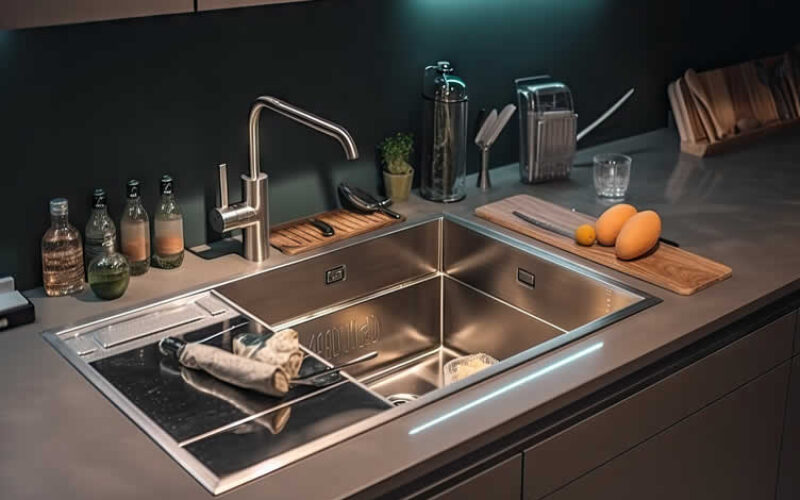
Make Your Home Upgrade
Transforming your kitchen or bathroom with a touchless faucet is a beautiful way to blend modern technology with nurturing home comfort.
By understanding the simple mechanics, straightforward installation, and gentle maintenance required, you can confidently take control of your home improvement journey.
Embracing this smart plumbing technology not only elevates the visual appeal of your space but also fosters a cleaner, more efficient environment for everyone you care about.
Common Questions Answered About Touchless Faucets
Touchless faucets are gaining popularity in modern homes for their convenience, hygiene, and water-saving benefits.
Whether you’re considering updating your kitchen, bathroom, or both, understanding the key aspects of touchless faucet installation and functionality is essential to make an informed decision.
Here, we answer some of the most common questions to help you determine if touchless faucets are the right upgrade for your home.
-
Is there room under the sink for the control box and power source?
Touchless faucets typically require a control box and power source, often positioned beneath the sink, to function effectively. The space needed is minimal, about the size of a small power adapter.
Before installation, measure the area under your sink to ensure there’s sufficient room to house these components without interfering with existing plumbing or storage. If space is tight, there are compact faucet models designed with smaller control units that fit efficiently into limited cabinetry setups.
-
How Long Do Batteries Last in Touchless Faucets?
Battery life in touchless faucets varies based on usage frequency and the brand’s energy efficiency. Most standard models run on AA or AAA batteries that last anywhere between one to three years under moderate use.
Some premium options may include extended-life lithium batteries or eco-friendly rechargeable options, lasting even longer. To avoid disruptions, models with low-battery indicators provide advanced warnings when replacements are needed.
-
Do Touchless Faucets Work Without Power?
No, touchless faucets rely on sensors and a power source to operate. For homes prone to power outages, look for faucets with dual functionality that allow manual operation as a backup.
Additionally, models that use battery power ensure continued operation even if your home’s electricity is interrupted, offering peace of mind and uninterrupted convenience.
-
Can I Adjust Sensor Sensitivity or Timeout Length?
Most modern touchless faucet models allow for adjustments to sensor sensitivity and timeout settings, offering customized performance based on user needs. These adjustments are typically made through a control box under the sink or via a smartphone app for more advanced models.
Adjusting the sensitivity can prevent accidental activations, while customizing the timeout length ensures the water flow stops promptly, conserving water efficiently.
-
How Easy Is It for Kids, Guests, or People with Arthritis to Use?
Touchless faucets are designed with ease of use in mind, making them suitable for users of all ages and abilities. For kids, the novelty of waving their hands to activate the water can even encourage healthy handwashing habits.
For adults with arthritis or limited mobility, the hands-free design eliminates the need for twisting or gripping handles, providing welcome relief. Simple instructions and user-friendly designs make the faucets intuitive for guests who may be unfamiliar with the technology.
-
Will It Actually Save Water in My Household?
Yes, touchless faucets can reduce water waste significantly by automatically shutting off when hands are no longer detected under the sensor.
According to studies, these faucets can save up to 30%-50% of water compared to traditional models, depending on water usage habits in your household. This conservation not only lowers utility bills but also supports sustainable living.
other related analysis of interest: (new win)
Harmonious Multi-Use Nursery: Guide to Functional Family Spaces
| Topic | Description | Key Benefits |
|---|---|---|
| Touchless Faucets | Modern fixtures that use sensors to detect motion, starting water flow automatically. They require a power source such as batteries or an AC transformer. | Reduce germ spread, conserve water, and provide hands-free convenience. |
| How They Work | Infrared or other motion sensors detect movement and activate a solenoid valve to control water flow. Some models include manual overrides or hybrid features. | Hygienic operation, eliminates the need for manual handling, and offers reliable use even during power issues. |
| Core Components | Key parts include motion sensors, solenoid valves, and a power source, either battery-powered or hardwired using an AC transformer. | Seamlessly integrates electronics with water flow for an efficient, modern upgrade. |
| Installation | Follows typical faucet installation steps with added procedures for mounting the sensor, control box, and power supply. | Accessible for DIY enthusiasts; offers improved design with slight additional effort during setup. |
| Maintenance | Regular cleaning of sensors and replacing batteries as needed. Troubleshooting involves addressing sensor blockages, power issues, or water filter clogs. | Maintains optimal function with minimal ongoing effort. |
| Value Proposition | Helps maintain hygiene, supports eco-friendly practices, and provides excellent accessibility for households. May involve higher upfront costs and occasional maintenance. | Enhances daily convenience, reduces water waste, and complements modern home designs. |
| Choosing the Right Faucet | Select a faucet size and style that complements your kitchen sink and overall decor. Measure dimensions carefully for proper fit. | Improves kitchen aesthetics and functionality with a tailored design. |

| Question | Answer | Additional Notes |
|---|---|---|
| Is there room under the sink for the control box and power source? | Touchless faucets typically require a control box and power source, often located beneath the sink. The space required is minimal, about the size of a small power adapter. | Compact models with smaller control units are available for tight spaces. |
| How long do batteries last in touchless faucets? | Battery life varies based on usage and brand. Standard AA or AAA batteries last 1-3 years under moderate use. | Premium models may use lithium or rechargeable batteries for extended life. |
| Do touchless faucets work without power? | No, they require sensors and a power source to operate. Some models offer dual functionality or battery backup for uninterrupted use. | Consider faucets with manual operation for homes prone to power outages. |
| Can I adjust sensor sensitivity or timeout length? | Yes, most models allow adjustments either via the control box or through a smartphone app for advanced features. | Adjustments help prevent accidental activations and conserve water effectively. |
| How easy is it for kids, guests, or people with arthritis to use? | Touchless faucets are intuitive and user-friendly, making them accessible for all ages and abilities. | Encourages healthy habits in kids and provides relief to users with arthritis. |
| Will it actually save water in my household? | Yes, these faucets reduce water waste by shutting off automatically when no hands are detected. | They can save up to 30%-50% of water, promoting sustainability and lowering utility bills. |
Find Plumbing Services Plumbing Issues Drain Clearing Septic/Sewers Water Heaters Pumps Water Softening top-rated, pre-screened local contractors FREE: download contractor selection enter zip code – powered by HomeAdvisor ™


Image credit: by envato.com
end of post … please share it!
| more photo remodeling |
Jump Over to Our Photo Analysis Center for Ideas on
"Renovating Home"
|__________________________________________________________|
home remodeling surprise
find out where it might go - new win


Helpful article? Leave us a quick comment below.
And please share this article within your social networks.