In the other direction lies the potential for wholesome, nourishing meals, yet this path often feels blocked by a lack of time or ingredients. The state of your pantry frequently dictates the dietary health of your entire household.
When the shelves are stocked with intention and care, the pantry becomes more than just a storage closet; it transforms into a reliable partner in your quest to nurture your family.
Creating a wholesome environment starts with the understanding that a healthy pantry is the backbone of a healthy life. It empowers children to make independent, positive food choices and provides home cooks with the building blocks for nutritious meals on busy weeknights.
By shifting your focus from mere storage to nutritional strategy, you can cultivate a kitchen ecosystem that supports well-being, reduces stress, and fosters a harmonious relationship with food for everyone in the home.
- post content
- Understanding the Foundation of a Nutritious Family Pantry
- Evaluating Your Current Pantry Staples for Optimal Health
- Essential Whole Grains and Legumes for Versatile Cooking
- Nutrient Dense Snacks for Growing Children
- Strategies for Reading Labels and Selecting Quality Ingredients
- Organizing Your Space to Encourage Better Eating Habits
- conclusion
- view table:content summary
- view notes:collective tips
- view ideas:latest remodeling analysis
- view post (new win):Beginner’s Guide to Cooking
Understanding the Foundation of a Nutritious Family Pantry
A truly functional and healthy pantry is built on the concept of nutrient density and versatility. The goal is to curate a selection of shelf-stable items that are as close to their natural state as possible. When you prioritize whole ingredients over chemically altered alternatives, you are effectively reducing the chemical load on your family’s digestive systems.
This foundation relies on the presence of macronutrients—proteins, healthy fats, and complex carbohydrates—that provide sustained energy rather than the fleeting sugar highs associated with processed snacks.
Building this foundation requires a shift in perspective regarding what constitutes "convenience food." Canned beans, whole grain pasta, and quick-cooking grains like couscous or quinoa are the original fast foods of the natural world.
According to the Harvard T.H. Chan School of Public Health, diets rich in whole foods and devoid of ultra-processed ingredients are linked to lower risks of heart disease and diabetes. Therefore, the foundation of your pantry should be viewed not just as ingredients for dinner, but as a long-term investment in your family’s preventative health care.

Evaluating Your Current Pantry Staples for Optimal Health
Before you can fill your shelves with wholesome options, it is helpful to take an honest inventory of what currently resides behind those cabinet doors. This process is not about judgment, but about awareness.
Many families unknowingly stock items that are marketed as "healthy" but are laden with hidden sugars, excessive sodium, and artificial preservatives. You might begin by examining the items you reach for most often.
If your breakfast cereals, granola bars, and crackers list sugar or high-fructose corn syrup as one of the first three ingredients, it may be time to seek alternatives.
The evaluation process also involves looking at the shelf life of your food. While longevity is a benefit of pantry items, food that can last for years often achieves that status through hydrogenation or heavy preservation.
The Mayo Clinic suggests that reducing the intake of added sugars and trans fats found in many shelf-stable processed foods can significantly improve heart health.
As you audit your shelves, consider donating unopened, less-nutritious items to a local food drive and recycling the packaging of opened items, clearing the physical and mental space for better choices.
Essential Whole Grains and Legumes for Versatile Cooking
Whole grains and legumes serve as the workhorses of a healthy pantry, offering an affordable and shelf-stable source of fiber, protein, and essential minerals. Unlike refined grains which have been stripped of their bran and germ, whole grains retain their nutrient profile, providing a steady release of energy.
Stocking a variety of these staples ensures that you always have the starting point for a hearty meal. Brown rice, quinoa, barley, and rolled oats are excellent options that can transition from breakfast porridge to savory dinner sides with ease.
Legumes, including lentils, chickpeas, and black beans, are equally vital. They are powerhouse ingredients that can bulk up soups, serve as the protein star in tacos, or be blended into dips like hummus.
The United States Department of Agriculture (USDA) highlights beans and peas as unique foods that count as both a vegetable and a protein source, making them indispensable for balanced nutrition.
Keeping both dried and low-sodium canned varieties on hand offers flexibility; canned options provide speed for weeknight meals, while dried varieties offer cost savings and texture control for weekend batch cooking.
about hiddent health risks

Discover the Hidden Health Risks Lurking at Home
It’s increasingly important to be aware of the hidden harmful substances lurking in our food and personal care products. From enhancers and additives in our food to chemical preservatives in our shampoos and lotions, these everyday items may have adverse effects on our health.
Nutrient Dense Snacks for Growing Children
One of the greatest challenges for parents is managing the snacking habits of growing children. A well-stocked pantry can bridge the gap between meals without ruining appetites or spiking blood sugar.The key is to make healthy snacks as accessible and appealing as the processed ones.
Nuts and seeds, such as almonds, walnuts, and pumpkin seeds, are excellent staples that provide healthy fats and protein, crucial for brain development. For families with nut allergies, sunflower butter or seed-based crackers offer safe, nutritious alternatives.
Dried fruit is another pantry essential, provided it is free from added sulfites and sugars. Mango slices, apricots, raisins, and dates can satisfy a sweet tooth while providing fiber and vitamins. You can also stock whole-grain crackers and shelf-stable individual servings of unsweetened applesauce.
By grouping these items together in the pantry, you create a "yes" zone where children feel empowered to serve themselves. This autonomy encourages them to listen to their hunger cues and make choices that fuel their bodies effectively.
Strategies for Reading Labels and Selecting Quality Ingredients
Navigating the grocery store aisles to stock your pantry requires a keen eye and a bit of education. Food marketing can be deceptive, with terms like "natural" or "multigrain" often obscuring the true nutritional value of a product.
The most reliable information is found on the Nutrition Facts label and the ingredient list. A good rule of thumb is to look for short ingredient lists containing words you recognize as food. If a product requires a degree in chemistry to decode, it likely belongs back on the store shelf rather than in your kitchen.
Pay close attention to serving sizes and the percent daily value (%DV) of nutrients. The Food and Drug Administration (FDA) advises that 5% DV or less of a nutrient per serving is considered low, while 20% DV or more is considered high.
Use this guide to seek out high fiber and protein while minimizing added sugars and sodium. Furthermore, be wary of the many names for sugar, such as dextrose, maltose, and cane juice crystals. Being vigilant about these details ensures that the products entering your home align with your wellness goals.
Organizing Your Space to Encourage Better Eating Habits
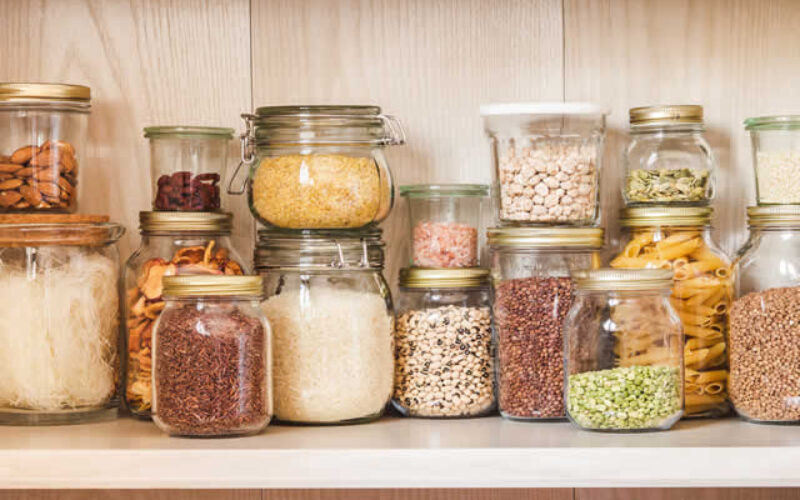
The physical organization of your pantry plays a surprising psychological role in dietary habits. We tend to eat what we see first. If chocolate-covered granola bars are at eye level, they will be consumed first. Conversely, if glass jars filled with colorful dried fruit and nuts are front and center, they become the default choice.
Clear storage containers not only look aesthetically pleasing, creating a sense of calm and order, but they also allow you to see exactly what you have, reducing food waste and alerting you when staples are running low.
Consider zoning your pantry to facilitate independence and ease. Designate a lower shelf specifically for children, stocked with the nutrient-dense snacks discussed earlier. This allows them to grab a snack without climbing or asking for help, fostering independence.
For the home cook, group similar items together—grains with grains, baking supplies with baking supplies—to streamline the cooking process. When the environment is organized to support your goals, healthy cooking and snacking become the path of least resistance rather than a daily struggle.
kitchen organization tips

Turn Your Kitchen into an Efficient and Functional Workspace with These Expert Organization Tips
Achieving an organized and efficient kitchen is essential for a functional cooking space. Proper kitchen organization and storage can save time, reduce clutter, and make daily tasks more enjoyable.
Conclusion on Sustaining a Healthy Lifestyle Through Better Storage
Transforming your pantry is a powerful step toward reclaiming control over your family’s nutrition. It is not about achieving perfection or eliminating every treat, but about tipping the scales in favor of nourishment and vitality.
By curating a selection of whole grains, legumes, and wholesome snacks, and organizing them in a way that encourages positive choices, you build a kitchen environment that actively supports your family’s health.
As you move forward, remember that this is a living system that will evolve with your family’s tastes and needs. A well-tended pantry is a comforting resource, ensuring that no matter how busy life gets, a healthy, restorative meal is always within reach.
other related analysis of interest: (new win)
Designing Your Dream Kitchen: Dimensions Guide to Cabinets, Countertops, and Islands
Master Your Makeover: The Ultimate Guide to DIY Interior Home Painting Tools
| Key Section | Main Ideas | Details |
|---|---|---|
| Introduction to a Healthy Family Pantry | Concept of a healthy pantry | Discusses the importance of a well-stocked pantry as a foundation for healthy meals and family nutrition. Highlights the benefits of shifting focus to whole, nutrient-dense ingredients. |
| Understanding the Foundation | Nutrient density and versatility | Encourages stocking whole, shelf-stable ingredients like whole grains and legumes, emphasizing their role in balanced nutrition and long-term health benefits. |
| Evaluating Current Pantry Staples | Inventory and awareness | Explores how families can assess their current pantry items, avoid processed foods, and favor healthier options for improved overall health. |
| Whole Grains and Legumes | Staple ingredients | Outlines the nutritional benefits of stocking items like brown rice, quinoa, lentils, and canned beans, and suggests their versatile uses in family meals. |
| Healthy Snacks for Children | Nutrient-dense snacking | Stresses the importance of providing nutritious snacks such as nuts, seeds, dried fruits, and whole-grain crackers to foster healthy eating habits in children. |
| Reading Labels and Choosing Ingredients | Smart grocery shopping | Provides strategies for identifying healthy food options by closely examining nutrition labels and ingredient lists to avoid hidden sugars and unhealthy additives. |
| Organizing Your Pantry | Encouraging better habits | Discusses how the physical arrangement of pantry items can influence eating habits, recommending clear containers and strategic zoning for accessibility. |
| Concluding Thoughts | Maintaining pantry health | Encourages an evolving approach to pantry organization as a dynamic system that supports family nutrition and fosters a healthy lifestyle. |

Find Kitchen Remodeling Services Kitchen Remodeling and Design Cabinets & Countertops Flooring Lighting Design Painting & Staining top-rated, pre-screened local contractors FREE: download contractor selection enter zip code – powered by HomeAdvisor ™


Image credit: healthy family pantry by envato.com
end of post … please share it!
| more photo remodeling |
Jump Over to Our Photo Analysis Center for Ideas on
"Renovating Home"
|__________________________________________________________|
home remodeling surprise
find out where it might go - new win


Helpful article? Leave us a quick comment below.
And please share this article within your social networks.