Yet, for many modern homeowners, the traditional wood-burning fireplace feels out of reach or simply impractical. Between the smoke, the ash, and the need for a chimney, the romance of a real flame often gets lost in the reality of maintenance and installation constraints.
This is where bioethanol fireplaces step in as a graceful solution. They offer the mesmerizing dance of a real flame without the structural demands of traditional options.
As we collectively look for ways to live more sustainably and comfortably, these fireplaces have surged in popularity. They represent a meeting point between modern convenience and our timeless desire for warmth, providing an eco-friendly heating option that fits seamlessly into contemporary lifestyles.
Whether you live in a compact apartment or a spacious house, understanding how these innovative fixtures work might just be the key to unlocking a cozier, more inviting living space.
- post content
- Understanding the Mechanics of Bioethanol Fireplaces
- Exploring the Different Styles and Designs available
- The Environmental and Practical Benefits
- Essential Safety and Maintenance Practices
- Embracing a Modern Approach to Warmth
- view table:content summary
- view notes:collective tips
- view ideas:latest remodeling analysis
Understanding the Mechanics of Bioethanol Fireplaces
To truly appreciate these fireplaces, it helps to understand the simplicity behind their operation. Unlike wood or gas fires that require complex venting systems, bioethanol fireplaces run on a renewable fuel source known as bioethanol.
This fuel is a type of alcohol derived from the fermentation of sugar and starch components of plant by-products, such as sugarcane and grain crops. Because it is plant-based, it burns cleanly and efficiently.
When you pour the liquid fuel into the designated burner container and light it, the combustion process begins. The reaction is remarkably clean; the primary by-products are heat, a small amount of water vapor, and carbon dioxide.

The amount of CO2 produced is comparable to burning a few candles, which is why these units typically do not require a chimney or flue. This clean-burning nature allows the heat to remain in the room rather than escaping up a vent, making them surprisingly efficient for zone heating.
Safety is naturally a top concern when bringing fire into the home, and manufacturers have designed these units with that in mind.
Most high-quality models feature tempered glass panels that act as a barrier for the flame, protecting curious hands and pets while maintaining a clear view of the fire.
Additionally, the burners often include specific mechanisms to prevent fuel spillage, even if the unit is tipped, and tools to safely extinguish the flame without getting too close to the heat.

Exploring the Different Styles and Designs available
One of the most delightful aspects of bioethanol fireplaces is the sheer variety of designs available. Because they are not tethered to a chimney, designers have the freedom to create forms that traditional fireplaces simply cannot match.
This versatility means there is likely a style that perfectly complements your personal decor, whether you prefer minimalist chic or rustic charm.
Freestanding models offer the ultimate flexibility. You can place them in the center of a living room as a stunning focal point, move them to the dining area for a dinner party, or even take certain models outdoors for a cool evening on the patio.
They range from sleek, modern columns to pieces that resemble traditional wood stoves, allowing you to add warmth exactly where you need it without committing to a permanent installation.
For those who wish to save floor space or create a more permanent aesthetic feature, wall-mounted units are an excellent choice. These can be hung almost like a piece of living art.
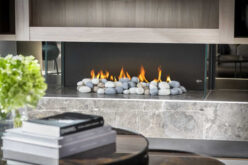
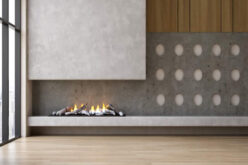
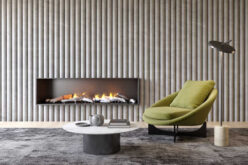
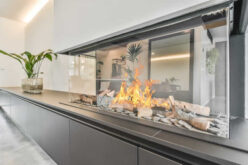
Some homeowners choose to recess them into the wall for a flush, seamless look that mimics a high-end gas fireplace but without the expensive gas lines and venting. These models often feature wide, panoramic flames that add a sense of luxury and sophistication to any room.
Tabletop fireplaces are perhaps the most accessible entry point into the world of bioethanol fire. These compact units are perfect for adding ambiance to a coffee table or dining setting.
They provide a flickering light and gentle warmth that encourages conversation and intimacy, proving that you do not need a grand hearth to enjoy the magic of a fire.
here’s another interesting viewpoint
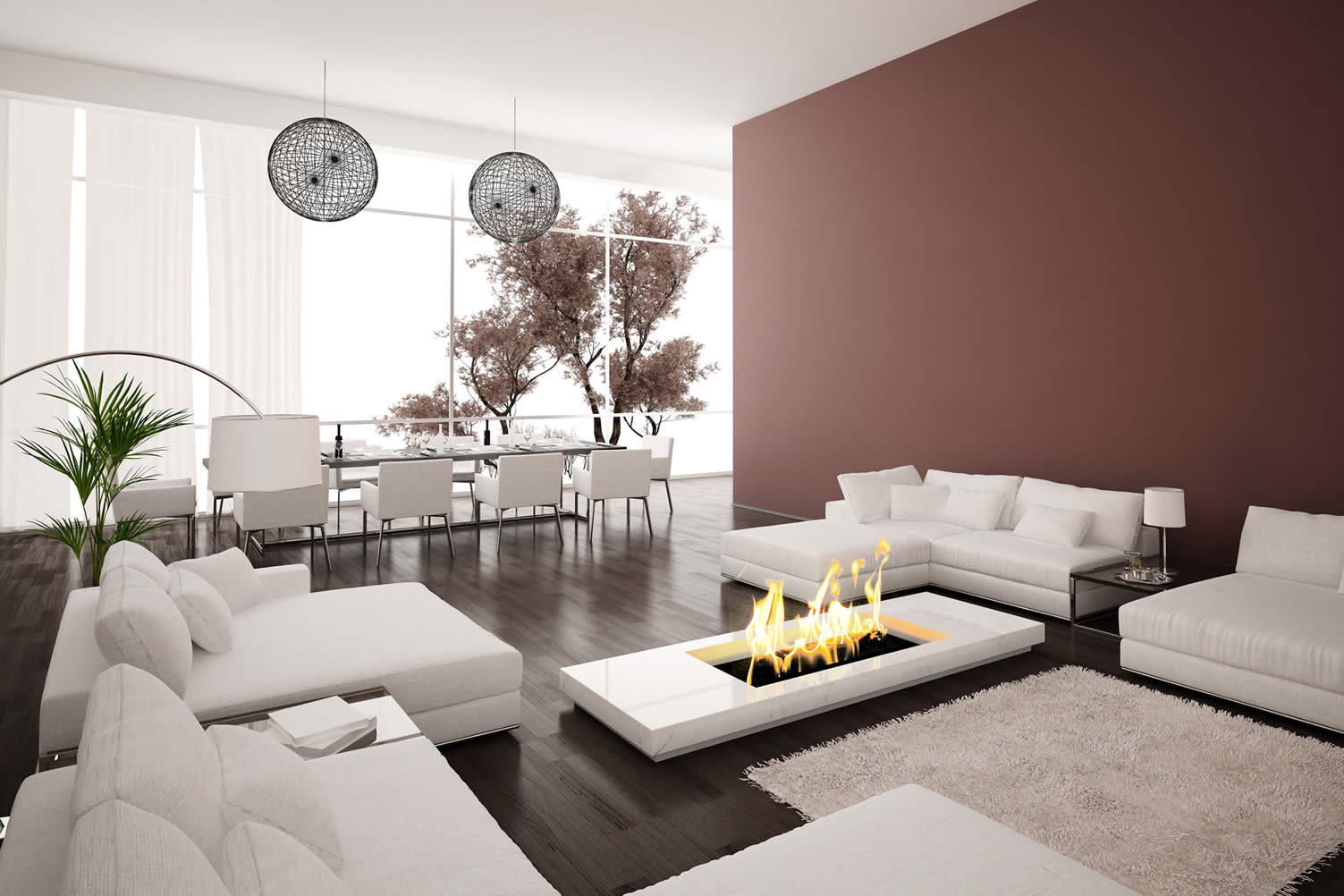
360-Degree View Fireplaces: A Stunning Addition to Modern Homes
A 360-degree fireplace is a stunning and versatile addition to any interior design. Unlike traditional fireplaces, this unique design allows for visibility and warmth from every angle, creating a focal point that blends functionality with modern aesthetics.
The Environmental and Practical Benefits
Choosing a bioethanol fireplace is often a decision rooted in a desire for sustainability. We are all becoming more conscious of our environmental footprint, and heating our homes is a significant factor in that equation.
Because the fuel is renewable and the combustion is clean, you are not releasing soot, smoke, or harmful carcinogens into your home or the atmosphere. It is a way to enjoy a fire with a clear conscience, knowing you are utilizing a resource that works in harmony with nature rather than depleting it.
Beyond the environmental impact, the practical benefits are substantial. Installation is incredibly straightforward for most models. A freestanding unit often requires nothing more than unpacking and placing it in a safe spot.
Even wall-mounted options are far less invasive than installing a gas or wood fireplace, which often involves major construction work. This ease of installation makes them an ideal solution for renters or those in spaces where structural changes are restricted.
Maintenance is another area where these fireplaces shine. Anyone who has had a wood-burning stove knows the chore of chopping wood, cleaning out ash, and scheduling annual chimney sweeps.
With bioethanol, those tasks vanish. There is no ash to clean and no soot to scrub. The maintenance routine generally involves keeping the burner clean and wiping down the unit to keep it looking its best. It allows you to focus on enjoying the warmth rather than working for it.
Essential Safety and Maintenance Practices
While bioethanol fireplaces are designed for safety, they still involve real fire, and treating them with respect is necessary to ensure a safe home environment. Proper ventilation is key.
Although they do not produce smoke, the fire does consume oxygen and produce carbon dioxide. It is important to use these fireplaces in rooms that are large enough to allow for natural air exchange, or to simply leave a door slightly ajar to ensure fresh air circulates comfortably.


Fuel storage is another important consideration. Bioethanol is highly flammable and should be stored in a cool place away from any heat sources or open flames.
When it comes time to refill your fireplace, the golden rule is to never refill a hot or burning fire. Always extinguish the flame and allow the burner to cool down completely before adding more fuel. This simple step prevents dangerous flare-ups and ensures the longevity of your unit.
Cleaning your fireplace is a simple task that helps maintain its beauty and functionality. Over time, you might notice a slight residue on the back of the burner or the glass. Using a soft cloth and mild cleaner is usually sufficient to remove this.
Always check the manufacturer’s guidelines for specific cleaning instructions, as using the wrong chemicals can damage the finish or the burner mechanism. Regular checks to ensure the burner is functioning correctly and has no leaks will keep your fireplace operating safely for years to come.
Embracing a Modern Approach to Warmth
As we seek to create homes that are sanctuaries of comfort and peace, the bioethanol fireplace offers a compelling path forward. It bridges the gap between our primal love for fire and our modern need for convenience and sustainability.
By removing the barriers of smoke, complex installation, and heavy maintenance, these fireplaces make the joy of a flickering flame accessible to almost everyone.
Whether you are looking to add a touch of romance to your bedroom, a focal point to your living room, or a gathering spot on your patio, there is a bioethanol option that can transform your space.
It is an invitation to slow down, to gather with loved ones, and to enjoy the warmth of a fire that respects both your home and the planet. As you consider your next home improvement project, think about how this modern hearth might just be the missing piece that turns your house into a warm and welcoming home.
other related analysis of interest: (new win)
Inserted Wall Fireplace – Something Modern for the Classic Look
| Aspect | Details | Advantages | Considerations |
|---|---|---|---|
| Introduction | Bioethanol fireplaces are modern alternatives to traditional wood or gas fireplaces, providing real flame without extensive structural requirements. | Eco-friendly, versatile, and convenient for various living spaces. | Requires renewable bioethanol fuel and proper ventilation. |
| Operation | Bioethanol fireplaces use renewable alcohol-based fuel derived from plant by-products. Combustion produces heat, water vapor, and carbon dioxide. | Burns cleanly without producing soot or harmful emissions. No chimney or flue needed. | Fuel storage and careful refilling practices are necessary for safety. |
| Design Versatility | Available in various styles, including freestanding, wall-mounted, and tabletop models, suitable for different spaces and aesthetics. | Flexible installation, fits diverse decors, portable options available. | Selection of appropriate design for specific room requirements is crucial. |
| Environmental Benefits | Bioethanol fuels are renewable, producing minimal environmental impact and no soot or smoke. | Reduces carbon footprint compared to traditional fireplaces. | Uses a plant-based fuel source that must be replenished regularly. |
| Safety and Maintenance | Features tempered glass and mechanisms to prevent spillage. Requires cleaning and proper storage of fuel. | Highly designed for safe use, low maintenance requirements compared to wood-burning stoves. | Ventilation and adherence to safety guidelines are essential. |

Find Fireplace & Stoves Fireplaces Wood Stoves Fuel Delivery Thermostats top-rated, pre-screened local contractors FREE: download contractor selection enter zip code – powered by HomeAdvisor ™


Image credit: guide to bioethanol fireplaces by envato.com
end of post … please share it!
| more photo remodeling |
Jump Over to Our Photo Analysis Center for Ideas on
"Renovating Home"
|__________________________________________________________|
home remodeling surprise
find out where it might go - new win


Helpful article? Leave us a quick comment below.
And please share this article within your social networks.