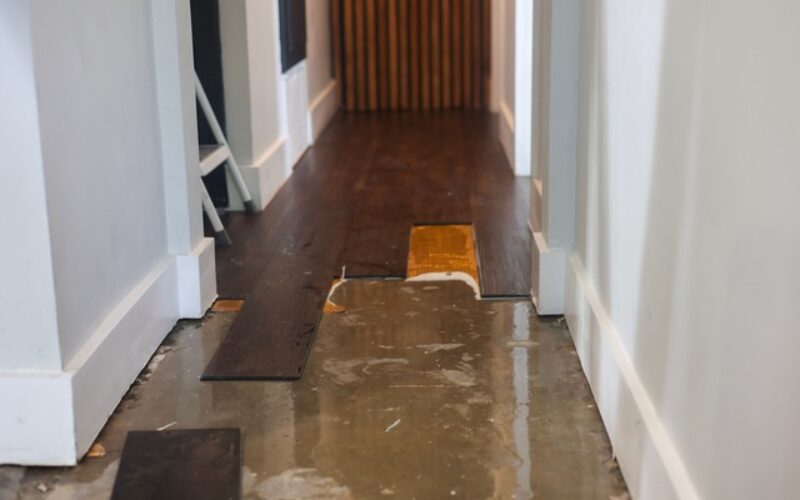

A flood can leave your home in a state of disarray, so start your recovery process by documenting the damage carefully. By cataloging the destruction, you can streamline the claims process and strengthen your position. Look out for these types of damage you must include in a flood damage report to receive proper compensation for your property.
Structural Damage
Floodwater can exert immense pressure on your home’s foundation and walls, which will lead to structural problems in the future. As you walk around your home, inspect your foundation, walls, and roof for cracks, shifts, or warping. Any sagging ceilings or floors indicate serious issues that compromise your home’s integrity and will require professional repairs.
Mold Growth
Floods can lead to moisture buildup, creating ideal conditions for mold to grow quickly. Within 24 to 48 hours, mold can damage your property and cause serious health issues, so immediately document any concerning indicators in your home after a flood. Look for visible signs on walls, ceilings, and furniture, and pay attention to any musty smells that may linger after clearing out the water.
Electrical System Damage
Check your home’s electrical system for damage, including outlets, wiring, and the main electrical panel. If you see signs of corrosion, rust, or burn marks, include them in your report, and contact a qualified electrician immediately. Do not attempt to turn on your power until a professional has deemed it safe, as these conditions are hazardous for homeowners.
Drywall and Insulation Damage
Drywall and insulation absorb water quickly, leading to swelling, crumbling, and loss of structural integrity. If you notice any water-stained, soft, or bulging drywall, these are signs your home may need professional drywall repair. Along with your drywall, inspect the insulation within your walls, as wet insulation loses its effectiveness and can harbor mold.
Damaged Personal Property
Finally, create a detailed inventory of all damaged personal belongings. Take photos and videos of furniture, electronics, appliances, clothing, and any other items affected by the flood. Include the type of damage, the item’s description, original cost, and estimated replacement value in your flood damage report to support your claim.
After you file your claim, your insurance company will likely send an adjuster to assess the damage in person. They will review your report, inspect the property, and determine the extent of the loss covered by your policy. Having your own detailed documentation provides a comprehensive record to compare with the adjuster’s findings, so assess your property before they arrive to secure your home’s structure and value.
Image Credentials: By David, 1624558036
|__________________________________________________________|
home remodeling surprise
find out where it might go - new win


Helpful article? Leave us a quick comment below.
And please share this article within your social networks.