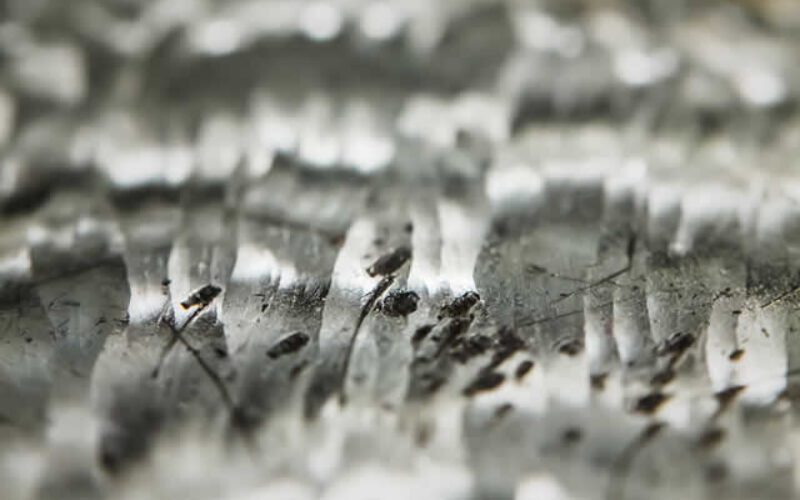
One such pervasive danger is the presence of asbestos – a mineral fiber previously employed in a wide range of building materials due to its fire and chemical resistance.
Despite the known health risks associated with asbestos exposure, many homeowners and property managers are still uncertain about the best course of action to detect and safeguard against this silent threat.
This comprehensive guide is your vigilant partner in navigating the labyrinth of laws, testing, and removal of asbestos, ensuring that your dwellings remain sanctuaries of health and safety.
Understanding the Risk of Asbestos Exposure
Before engaging in any renovations or repairs, it is crucial to comprehend why asbestos is a concern. Microscopic fibers, when disturbed, can be inhaled and lodge themselves in the lungs. Over time, these fibers can cause a number of serious conditions, including lung cancer, asbestosis, and mesothelioma.
While the dangers are significant, they are not immediate.
Diseases such as lung cancer may take many years to surface after initial exposure, underscoring the elusive nature of this threat. This delayed manifestation can lead to complacency or underestimate the potential for harm.

Regulatory Framework and Property Compliance
The first step in dealing with the risk of asbestos exposure is understanding the legal obligations that pertain to your property. Regulations regarding asbestos vary by country, region, and even at the city level. For instance, the United States has several federal laws, including the Clean Air Act, that regulate the management and removal of asbestos.
Homeowners and property managers must be familiar with local guidelines to avoid hefty fines and legal liabilities. Compliance may involve regularly scheduled inspections, proper record keeping, and following strict protocols if asbestos is discovered.
If you have additional questions, it could be helpful to consult with an asbestos attorney.
Identifying the Materials in Your Home
Knowing where to look for asbestos-containing materials is half the battle. In homes built or renovated before the 1980s, it was common to find asbestos in insulation, tiles, shingles, and various other products.
While these materials generally do not pose a hazard if left undisturbed, they become dangerous if they begin to deteriorate or if renovation works disrupt them.
The most prudent approach to material identification is hiring a certified asbestos inspector. These professionals are trained to recognize potential sources of asbestos and take samples for laboratory analysis. It’s important to resist the urge to handle or disturb materials that may contain asbestos without professional advice.
The Importance of Professional Testing
DIY testing kits for asbestos might seem like a quick and affordable solution, but they come with risks. Improper sampling can release dangerous fibers into the air and, in the case of false negatives, create a false sense of security.
Always rely on reputable testing services with accredited laboratories. Professionals are equipped with the necessary PPE and have a protocol to ensure the safety of everyone in and around the property.
Remember, the expense of testing pales in comparison to the potential health risks and financial implications of improper handling.
Safeguarding Your Home During Renovations
If asbestos is confirmed in your home, the general rule is not to disturb it. However, if work is unavoidable or the materials are in poor condition, there are safe methods to minimize risk.
Always engage a licensed asbestos abatement professional. Attempting to remove or contain asbestos yourself is not only illegal in many places but is also unsafe. These professionals use specialized techniques to seal off the area, wear protective gear, and use equipment designed to minimize fiber release.
The Process of Asbestos Abatement
There are different methods for dealing with asbestos depending on the type of material and its condition. Encapsulation involves sealing the asbestos with a liquid or covering it with a protective wrapping. Enclosure creates a barrier around the material. Both methods are considered less invasive and lower risk than complete removal.
Removal is the most permanent solution but also the most disruptive. Professional abatement services should have a thorough understanding of the method’s risks and how to dispose of the material safely. Documentation and clearance testing are typically part of the abatement process to ensure a complete and safe outcome.
Conclusion
Your home or property is more than just a physical space; it’s a sanctuary for those who dwell within its walls. While asbestos may be an invisible foe, its risks are very real. Arm yourself with knowledge, adhere to legal regulations, seek professional support, and share information with fellow stakeholders.
Preventing asbestos exposure represents a collective effort to safeguard our health and the integrity of our living spaces. By taking a vigilant and educated approach, you can ensure that the next repair or renovation is a step towards comfort and renewal, not unknowing exposure to a hazardous past.
Find Professional Services Abatement Services Junk Removal Site Preparation Recovery Services top-rated, pre-screened local contractors FREE: download contractor selection enter zip code – powered by HomeAdvisor ™


Image credit: uncovering hidden asbestos by envato.com
end of post … please share it!
|__________________________________________________________|
home remodeling surprise
find out where it might go - new win


Helpful article? Leave us a quick comment below.
And please share this article within your social networks.