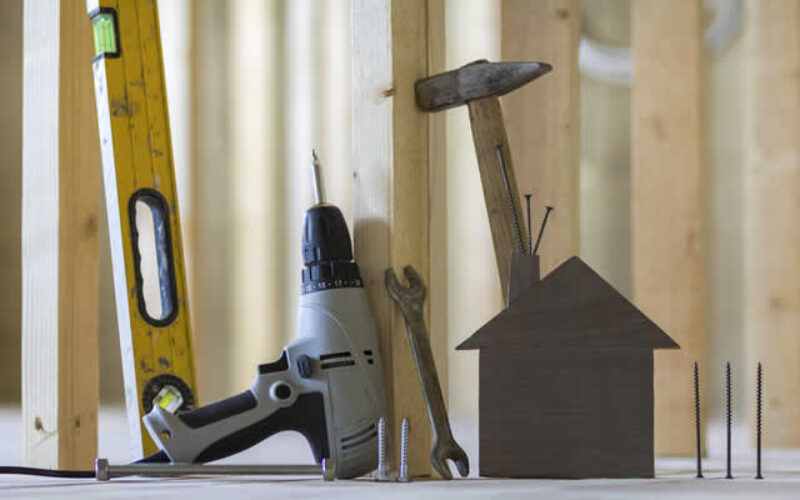
By focusing on clear goals, proper budgeting, and effective communication, you can ensure a smoother process from start to finish.
This post will guide you through essential planning tips to help you stay organized and confident while transforming your living space.
Setting Your Project Goals
A successful home renovation begins with clarity of purpose, careful reflection, and honesty about your priorities and needs. Take the time to ask yourself what has truly motivated your decision to renovate—has your family grown, causing you to crave additional space, or perhaps you are seeking to maximize your home’s value before a market listing?
Maybe you’re looking to modernize a dated interior and make your home more comfortable for daily life. Write down both your non-negotiable must-haves, like an extra bedroom or improved insulation, and your nice-to-have features, such as upgraded fixtures or a gourmet kitchen, to help separate essentials from desires.

Engage other household members in goal-setting so everyone’s needs are heard and you can manage expectations as a group. Consider how your goals align with your long-term plans, such as aging in place or appealing to future buyers.
For local expertise or exterior work, consult professionals familiar with area-specific requirements and trends; for example, Temple TX roofing & exteriors can alert you to considerations you might otherwise miss for projects involving windows, siding, or roofs.
By solidifying clear, measurable goals at the outset, you create a firm foundation for all subsequent decisions, making it much easier to communicate your vision to contractors, designers, or architects.
Good planning ensures your renovation project stays focused, making it easier for experts to provide accurate quotes, avoid misunderstandings, and help you avoid scope creep—the gradual expansion of a project beyond its original intent.

Building a Solid Budget
Budgeting is vital for a low-stress renovation. Set early financial boundaries to stay within reach and reduce stress. Research costs for materials, labor, and specialty items, including overlooked expenses like permits, demolition, debris removal, or temporary housing.
Experts recommend setting aside 10-20% of your budget as a contingency for surprises like hidden wiring or water damage, which are common during renovations. Using a detailed budget template, such as from HGTV, helps track expenses and make adjustments.
Certain rooms like kitchens and bathrooms often incur higher unexpected costs due to plumbing and electrical complexities; budget extra for these. Strict financial discipline helps manage costs and lessen anxiety.
Design and Planning Phase
The design phase is where your vision starts to come alive, blending creativity, practicality, and personal style. Take this time to explore various floorplan options, compare materials and finishes, and visit local showrooms or open houses for inspiration.
Think not only about aesthetic appeal but also about how spaces will function day-to-day for you and your family. Will the new layout improve traffic flow, make entertaining easier, or allow for more natural light? Carefully consider every detail, from cabinet heights to door placements and lighting schemes.
Flexibility is crucial during design; even the most careful plans may require modification if structural limitations are discovered or if certain products are unavailable. Enjoy the learning process and stay updated on innovations and trends by consulting third-party resources, such as Architectural Digest’s renovation tips.
Developing a comprehensive design plan now, with detailed sketches or 3D renderings, prevents costly errors and streamlines communication with your builder. This upfront diligence helps ensure the finished renovation aligns as closely as possible with your original vision, while keeping your project timeline moving forward smoothly.

Formulating Home Improvement and Remodeling Ideas
Any home improvement or remodeling begins with an idea. This idea could be as simple as wanting more natural light in your living room, or as grand as constructing a new outdoor living space. To generate such ideas, consider your living habits, your aesthetic preferences, and any functional changes that could enhance day-to-day life in your home.
Choosing the Right Team
Whether you’re planning a minor remodel or a holistic home transformation, assembling the right renovation team is pivotal to your project’s outcome. Begin by asking friends, family, or neighbors for recommendations—they can offer candid feedback and help you avoid potential pitfalls.
Next, research online reviews, compare client testimonials, and request portfolios of past projects from any contractor or designer you’re considering. Confirm all credentials, including relevant licenses, certifications, and insurance policies, to ensure compliance and peace of mind.
Consider the communication style of your chosen experts; the most successful renovations occur when everyone feels heard and respected. Opt for professionals who are transparent about pricing, scheduling, and their approach to problem-solving.
For larger or more complex projects, hiring both a designer and a licensed general contractor can help balance function with aesthetics and steer you clear of costly mistakes. Asking thoughtful questions during interviews—about experience with similar projects, anticipated challenges, and subcontractors used—will help you choose a well-matched team.
Building trust and a good rapport up front sets the tone for open, honest dialogue throughout construction. Even the best teams occasionally confront surprises like weather delays or backordered materials. Still, with trustworthy experts by your side, you’ll have a support system prepared to adapt and resolve issues quickly and efficiently.
Creating a Realistic Timeline
Home renovations nearly always take longer than initial estimates, so building a realistic, flexible timeline is essential for your sanity. Seasonal factors, such as severe weather, can impact outdoor improvements, while supply chain hiccups may cause delays on special-order finishes or fixtures.
Work with your renovation team to map out a broad overview of key project phases, from demolition and structural repairs to final painting and punch list walkthroughs. Then, add cushion time to each phase to accommodate backorders, inspection schedules, or other setbacks.
Ongoing, open communication with your team is crucial. Schedule regular check-ins to monitor progress, review upcoming tasks, and address any new or anticipated issues. A well-communicated schedule gives you ample warning to adjust your daily routine, plan for disruptions, and reduce the sense of chaos that can creep in as timelines shift.
Permits and Regulations
One key area that homeowners often overlook during planning is the importance of securing the correct permits and understanding local regulations. Building permits, while seemingly tedious, are actually in place to protect your investment, the safety of your family, and sometimes even your neighbors.
Failing to obtain the necessary approval can cause significant headaches, ranging from expensive fines to being forced to undo completed work. In many municipalities, any renovation that alters electrical systems, plumbing, structural components, or the footprint of your home will need official approval.
If you’re unsure what’s needed, reach out to your local building department early or ask your contractor to manage permit acquisition. Responsible professionals will be well-versed in these processes and can advocate on your behalf, helping you avoid unnecessary delays or liability later on.

The Need of Building Permits and Codes for Home Renovations
Looking to remodel a section of your home? Before you start any renovation project, it’s crucial to understand the importance of obtaining the right renovation permits and adhering to the appropriate renovation building codes.
Managing Stress and Setbacks
No matter how meticulous your planning, the process of living through a renovation will introduce stressors both large and small. Prepare by accepting that some degree of inconvenience is unavoidable. Schedule frequent progress meetings with your team to stay informed, manage expectations, and prevent potential mistakes early.
If certain parts of your home become unusable or you find the noise and dust overwhelming, consider making arrangements to stay elsewhere temporarily for your comfort.
Keep things organized using a dedicated project binder, cloud storage for contracts and invoices, or even a renovation tracking app to stay on top of schedules and open tasks. Remind yourself that construction is temporary, and focus on the long-term benefits your investment is bringing to your everyday life.
Practicing patience and proactive communication with your family—or anyone else living in the household—can make the disruption much more manageable.
Finishing Touches and Post-Renovation Tips


As your renovation nears completion, attention to the fine details becomes especially important.
Take time to review every corner and fixture, adjusting light switches, inspecting hardware, confirming appliances are hooked up, and testing each system for proper performance.
Document your finished results by taking comprehensive photos, organizing manuals and receipts, and registering product warranties. Creating a maintenance checklist ensures that your home’s new features will be cared for long-term.
Walk through the completed space with your contractor and make a punch list—this is your chance to identify and remedy any unfinished tasks, small defects, or touch-up needs before signing off.
Taking these steps will help you feel confident and satisfied with your investment as you settle back into your improved and refreshed space.
Conclusion: Turning Renovation Dreams Into Reality
A successful home renovation isn’t just about the finished space—it’s about how you get there. With clear goals, a realistic budget, and the right team by your side, you can navigate the process with confidence instead of stress.
Building flexibility into your timeline, planning for the unexpected, and maintaining open communication will help you handle challenges as they arise without losing sight of your vision.
By combining preparation, research, and expert guidance, you set the stage for a transformation that not only enhances your home’s value but also improves the way you live every day.
In the end, thoughtful planning turns what could feel overwhelming into a rewarding experience—one that leaves you with a home you’ll enjoy for years to come.
other related analysis of interest: (new win)
How Modern Architecture Firms Use Technology to Transform Design
Home Dimensions: Design Your Renovation Like a Pro with These Essential Measurements
Find Home Remodeling Services Additions Major Remodels Minor Remodels Disability Needs Plumbing Drain Clearing Appliances Electrical top-rated, pre-screened local contractors FREE: download contractor selection enter zip code – powered by HomeAdvisor ™


Image credit: how to plan a successful home renovation by envato.com
end of post … please share it!
|__________________________________________________________|
home remodeling surprise
find out where it might go - new win


Helpful article? Leave us a quick comment below.
And please share this article within your social networks.