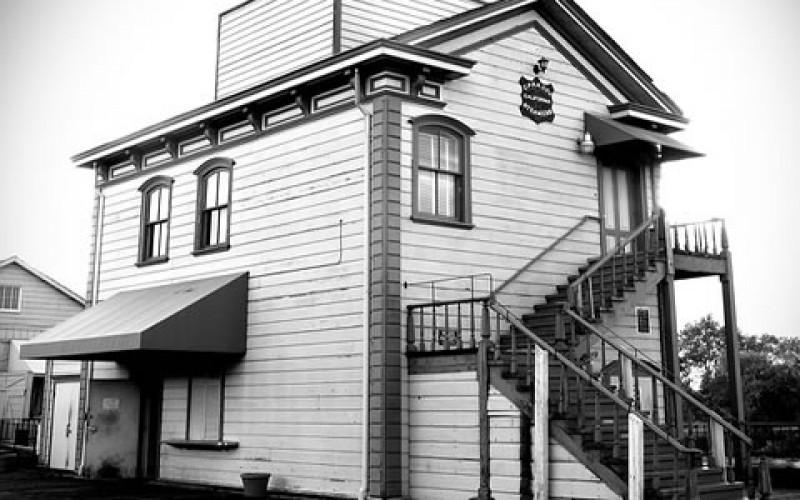
Unfortunately, older homes were all built before the modern technology we love so much today took over everything. This makes marrying our love of all things electric and green-powered and our individualized character-filled homes difficult. It’s not just a matter of there being a lack of grounded outlets. It’s more that, even if an outlet is grounded, its wiring may not be able to power more than a toaster at a time.
This is why, if buy an older home, you need to spend some time retrofitting the place. Make sure that the foundation is solid, the floors are sturdy and the joints and framework are all strong enough to hold up and protect your family. Update the plumbing system so that you can take a shower that feels like a shower instead waving a garden hose over your head. And, most importantly, bring your electrical system into the twenty first century!
These things sound pretty basic, on the face of it. Everybody wants to live in a house with good plumbing and sound electrics. Nobody wants flooding or fires, right? Still, wanting things to be upgraded and retrofitting is a lot different than actually getting the work done.
Here are some things that you’ll need to navigate as you bring your old house into the modern age.
Zoning Issues
Most cities and counties have laws regarding the changes that can and cannot be made to houses and land. Check with your local zoning board before you start any projects. Most of the time you’ll be allowed to make the changes you want, you’ll simply have to fill out some paperwork and get the proper permits first.
Environmental Issues
Asbestos: Old houses are notorious for things like asbestos and other not-so-happy features. This is because, although asbestos was banned as a building material in the late 20th century, there weren’t any laws regarding asbestos that had already been put in place. Make sure you work with contractors who know how to handle and remove the stuff safely.
And it must be removed. Exposure to asbestos can cause a type of cancer called mesothelioma. According to Baron and Budd–attorneys who specialize in mesothelioma cases–mesothelioma is always the fault of asbestos. Leaving it in place increases your own risk of exposure and illness and could make you liable for any exposure-related problems your retrofitting crews have to deal with in the future. So, before you do anything else, make sure that all traces of asbestos have been safely removed from your home.
Radon: radon is a natural gas and is the second leading cause of lung cancer in the United States. It gets into your home via cracks in your foundation. This is why it is important to have your foundation inspected and fixed or upgraded when you buy an older home.
Lead: lead can be incredibly harmful. lead piping was commonly used in residential and industrial plumbing up through the 40s when galvanized steel pipes started to be used instead. Even in homes built as late as the 80s have lead in them–it was a primary ingredient used in piping solder, paint, etc.
Oil Tanks: it is common for people to heat their homes using oil. Often, the people who use heating oil will bury the tanks on their property. Having the tanks removed is important, but must be done very carefully. The earth surrounding the tanks must be inspected for exposure and contamination. Don’t let anybody just yank them out.
There are a lot of things that you need to take care of when you buy an older home. Trust us when we tell you, though, that once you make sure it is as safe and modernized (at least internally) as possible, you are going to enjoy living in a home that is unique and filled with character.
|__________________________________________________________|
home remodeling surprise
find out where it might go - new win


Helpful article? Leave us a quick comment below.
And please share this article within your social networks.