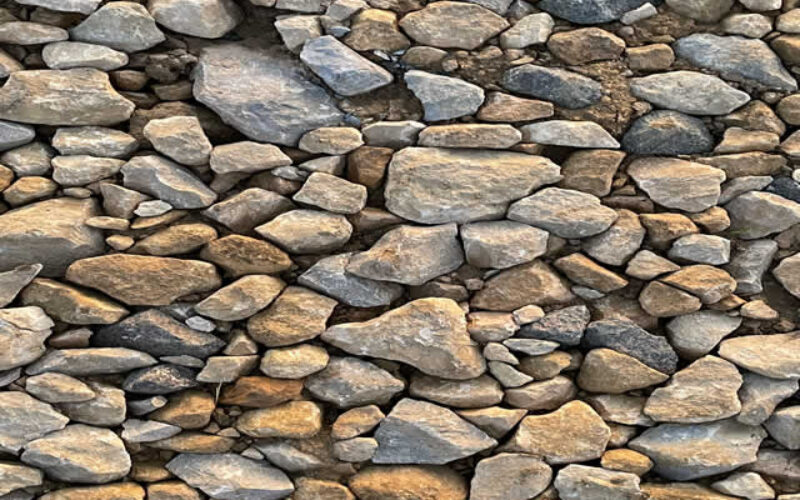
Understanding where and how to use drainage rock around your home can save you thousands of dollars in repairs while creating landscapes that thrive even during heavy rainfall.
Drainage rock serves as nature’s own filtration system, allowing water to flow freely while preventing soil erosion and structural damage. When properly installed, these versatile materials redirect water away from vulnerable areas, maintain healthy soil conditions, and provide long-lasting protection for your investment.
Whether you’re dealing with persistent puddles, foundation concerns, or erosion-prone slopes, the right drainage rock solution can transform problematic areas into functional, attractive features of your landscape.
- post content
- Understanding Drainage Rock Types and Applications
- Strategic Placement Around Your Home’s Foundation
- Garden and Landscape Drainage Solutions
- Hardscaping and Structural Applications
- Installation Best Practices and Maintenance
- Environmental Considerations and Sustainable Practices
- Transform Your Property with Strategic Drainage Solutions
- view table:content summary
- view key:collective notes
Understanding Drainage Rock Types and Applications
Selecting the appropriate drainage rock depends on your specific needs, local climate, and the area you’re treating. Each type offers unique benefits that make it suitable for particular applications around your home and yard.
-
Gravel Varieties for Different Drainage Needs
Pea gravel, with its smooth, rounded stones typically measuring 1/4 to 3/8 inches, works exceptionally well for garden drainage and decorative applications. Its uniform size creates consistent water flow while its attractive appearance complements landscaping designs.
River rock, ranging from 1/2 inch to 3 inches, provides excellent drainage for larger areas and creates stunning visual interest in garden beds and around water features.
Crushed stone offers superior stability and drainage capacity due to its angular edges that lock together when compacted. Available in various sizes from fine screenings to large chunks, crushed stone works particularly well for foundation drainage and French drain systems where structural support matters as much as water management.
-
Specialized Drainage Materials
Drain rock, specifically sized between 3/4 inch and 1 1/2 inches, represents the gold standard for most residential drainage applications. Its consistent sizing ensures optimal water flow while preventing soil infiltration that can clog drainage systems over time.
Angular drainage rock provides additional stability for applications requiring structural support, such as retaining wall backfill and driveway substrates.


Strategic Placement Around Your Home’s Foundation
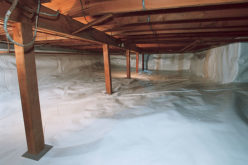
Foundation drainage represents one of the most critical applications for drainage rock, protecting your home’s structural integrity while preventing costly water damage. Proper installation creates a barrier that guides water away from foundation walls and basement areas.
-
Creating Effective Foundation Drainage Systems
Installing drainage rock around your foundation begins with excavating soil to below the foundation level, typically 6 to 8 inches deep and extending 3 to 4 feet from the foundation wall.
A layer of landscape fabric prevents soil from mixing with the rock while allowing water to pass through freely. Fill this area with 3/4-inch drain rock, ensuring proper grading that slopes away from the foundation at a minimum rate of 6 inches per 10 feet.
Foundation drainage works most effectively when combined with proper guttering and downspout systems. Position drainage rock beds to capture and redirect water from downspouts, creating natural channels that carry water to appropriate drainage areas or storm systems. This integrated approach prevents water from pooling near your foundation during heavy rainfall events.
-
French Drain Integration
French drains paired with foundation drainage rock create comprehensive water management systems that handle both surface water and subsurface moisture. These systems consist of perforated pipes surrounded by drainage rock and wrapped in landscape fabric, creating underground channels that collect and redirect groundwater away from your foundation.
Installing French drains requires careful attention to proper slope and placement. The drainage pipe should maintain a consistent grade of 1% to 3% toward the discharge point, with drainage rock extending above, below, and around the pipe to facilitate water collection and flow.
Proper installation prevents basement flooding, foundation settling, and the moisture problems that lead to mold and structural damage.
Garden and Landscape Drainage Solutions
Healthy plants require well-draining soil that allows roots to access both water and oxygen. Drainage rock applications in garden settings improve soil structure, prevent waterlogging, and create optimal growing conditions for a wide variety of plants.
-
Improving Planter and Garden Bed Drainage
Garden beds benefit from drainage rock layers installed beneath the planting soil, particularly in areas with heavy clay soil or poor natural drainage. A 2- to 4-inch layer of pea gravel or small river rock at the bottom of raised beds or amended garden areas prevents water from stagnating around plant roots while allowing excess moisture to drain away naturally.
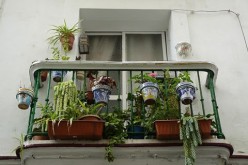
Container gardening and large planters require special attention to drainage to prevent root rot and plant failure. Placing a layer of drainage rock in the bottom of containers before adding potting soil creates reservoir space for excess water while maintaining proper moisture levels in the root zone. This technique proves especially valuable for outdoor planters that experience variable weather conditions.
-
Managing Slope Erosion and Runoff
Sloped areas present unique challenges for erosion control, requiring drainage solutions that slow water flow while preventing soil loss. Strategic placement of drainage rock creates terraced effects that break up water flow and allow natural infiltration.
Larger rocks and boulders can serve as natural barriers that redirect water flow while smaller drainage materials fill gaps and provide stability.
Rock gardens and naturalized drainage features combine function with beauty, creating landscapes that manage water runoff while providing visual interest throughout the seasons. These installations require careful planning to ensure proper water flow while creating habitats that support beneficial plants and wildlife.

Designing A Better Yard Drainage System
n this analysis, we get into the intricacies of designing an efficient yard drainage system to safeguard your home foundation and landscape property against water damage.
Hardscaping and Structural Applications
Driveways, walkways, and retaining walls require drainage solutions that provide both water management and structural support. Proper drainage rock installation in these applications prevents frost damage, maintains surface stability, and extends the lifespan of hardscaping investments.
-
Driveway and Walkway Foundations
Stable driveways and walkways depend on proper drainage rock foundations that prevent shifting, cracking, and frost heave damage. The base layer typically consists of larger crushed stone that provides structural support, topped with smaller materials that create smooth, level surfaces for final paving materials.
Permeable paving solutions incorporate drainage rock between pavers or as part of the paving material itself, allowing water to infiltrate naturally while maintaining vehicular and pedestrian traffic capabilities. These systems reduce runoff into storm drains while preventing the pooling and ice formation that create safety hazards during winter months.
-
Retaining Wall Drainage Systems
Retaining walls face constant hydrostatic pressure from soil moisture and groundwater, making proper drainage essential for structural integrity and longevity. Drainage rock installed behind retaining walls creates pathways for water to flow to designated drainage outlets rather than building pressure against wall structures.
Proper retaining wall drainage incorporates both vertical and horizontal drainage elements. Vertical drainage consists of drainage rock columns that extend from the foundation to the surface, while horizontal drainage involves perforated pipes that collect and redirect water to safe discharge points.
Weep holes in the retaining wall allow accumulated water to escape while drainage rock prevents soil from clogging these critical openings.
Installation Best Practices and Maintenance
Successful drainage rock installations require careful planning, proper material calculations, and attention to long-term maintenance needs. Understanding these requirements ensures your drainage systems perform effectively for years to come.
-
Planning and Material Calculations
Calculate drainage rock needs by determining the volume of space to fill, typically measured in cubic feet or cubic yards. For most applications, plan for depths between 4 and 12 inches depending on the specific use and local conditions.
Foundation drainage typically requires 6 to 8 inches of depth, while French drains may need 12 to 18 inches for optimal performance.
Site preparation involves excavating to proper depths, installing landscape fabric where appropriate, and ensuring proper grading for water flow. Compact the soil base lightly to prevent settling while maintaining permeability for water infiltration. Mark utility locations before excavating and contact local authorities for required permits or inspections.
-
Long-Term Care and Problem Prevention
Drainage rock systems require periodic inspection and maintenance to ensure continued effectiveness. Remove accumulated debris, leaves, and sediment that can reduce water flow capacity. Check that landscape fabric remains intact and that drainage outlets remain clear and functional.
Address clogging issues promptly by flushing systems with water and removing accumulated materials. In areas with heavy organic debris, consider installing gutter guards or debris screens that prevent large materials from entering drainage systems. Regular maintenance extends system life and prevents costly repairs or replacements.

Download this PDF file for a concise summary of all you need to know about …?

… using ornamental grasses in landscape (and drainage) design!

Environmental Considerations and Sustainable Practices
Responsible drainage rock use considers environmental impacts while achieving effective water management goals. Sustainable practices protect local ecosystems while providing long-term solutions for property protection.
Local sourcing of drainage rock materials reduces transportation impacts while supporting regional economies. Many areas offer recycled concrete and reclaimed materials that provide effective drainage while reducing waste streams. Consider the long-term environmental benefits of permanent drainage solutions compared to temporary fixes that require frequent replacement.
Native plant integration with drainage rock installations creates habitats that support local wildlife while providing natural water filtration. Rain gardens and bioswales incorporate drainage rock as part of comprehensive systems that manage stormwater while enhancing biodiversity and natural beauty.
Transform Your Property with Strategic Drainage Solutions
Drainage rock applications offer versatile, cost-effective solutions for protecting your home and enhancing your landscape. From foundation protection to garden health, proper drainage rock installation prevents costly damage while creating attractive, functional outdoor spaces that thrive regardless of weather conditions.
Start with the most critical areas around your home, particularly foundation drainage and any locations where water currently causes problems. Expand your drainage rock applications gradually, incorporating these materials into broader landscaping projects that combine function with beauty.
With proper planning and installation, drainage rock systems provide decades of reliable protection while enhancing your property’s value and appeal.
other related analysis of interest: (new win)
Elevate Your Living Space: A Complete Guide to Home Décor Elements
| Application | Rock Type | Size Range | Depth Required | Primary Benefit |
|---|---|---|---|---|
| Foundation Drainage | Drain Rock | 3/4″ – 1.5″ | 6-8 inches | Foundation Protection |
| French Drains | Crushed Stone | 3/4″ – 1″ | 12-18 inches | Subsurface Drainage |
| Garden Beds | Pea Gravel | 1/4″ – 3/8″ | 2-4 inches | Root Health |
| Driveways | Crushed Stone | 3/4″ – 2″ | 4-8 inches | Structural Support |
| Retaining Walls | Angular Rock | 1/2″ – 1.5″ | 8-12 inches | Pressure Relief |
| Erosion Control | River Rock | 1/2″ – 3″ | 4-6 inches | Slope Stabilization |
Find Yard Maintenance Services Lawn Maintenance Sprinkler Systems Pest Control Tree & Shrubs top-rated, pre-screened local contractors FREE: download contractor selection enter zip code – powered by HomeAdvisor ™


Image credit: drainage rock by envato.com
end of post … please share it!
| more photo remodeling |
Jump Over to Our Photo Analysis Center for Ideas on
"Renovating Home"
|__________________________________________________________|
home remodeling surprise
find out where it might go - new win


Helpful article? Leave us a quick comment below.
And please share this article within your social networks.