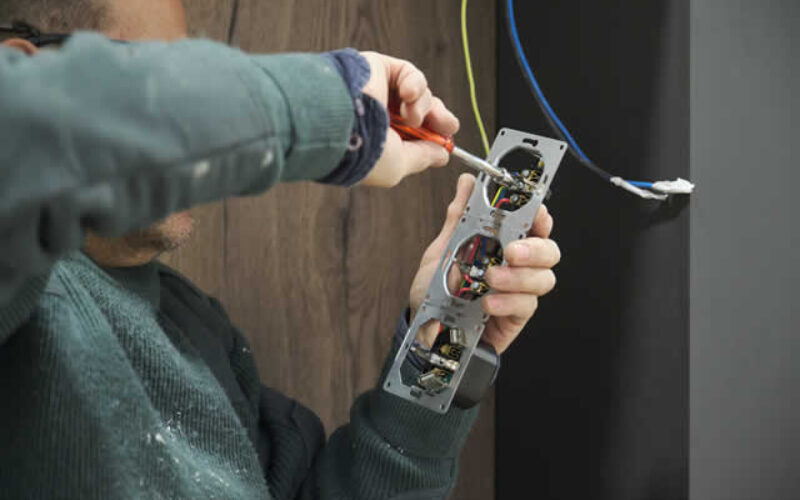
If you’re tackling this project, you probably have questions. How long will it take? What are the costs? Will it disrupt your daily life?
The following sections walk you through everything you need to know, from planning to execution. By the end, you’ll feel confident about taking the next steps.
Understand Why Rewiring is Necessary
Old electrical wiring isn’t just inconvenient—it’s dangerous. Homes built decades prior often have outdated electrical systems like knob-and-tube or aluminum wiring. They pose serious fire hazards.
Modern appliances demand more power, and older electrical panels and systems weren’t designed to handle today’s electrical loads.
If your lights flicker, outlets feel warm, or breakers trip constantly, your wiring is crying for help. Ignoring these signs risks electrical fires or costly damage. Rewiring now saves you from headaches later.

Assess Your Home’s Current Wiring

Before diving in, you’ll need an inspection of your entire house’s electrical components. A licensed electrician will check:
- Wire type (knob-and-tube, aluminum, tube wiring, or early plastic-coated copper).
- Fuse box or circuit breaker (older homes may still have fuses).
- Grounding (many old systems lack proper ground wire system, increasing shock risks).
- Conditions of your electrical outlets and switches (two-prong outlets signal outdated wiring).
This assessment determines the project’s scope—whether you need a full rewire or only targeted upgrades.
Plan Your Rewiring Project
A successful rewire starts with a solid plan. Here’s what to consider:
-
Set a Realistic Budget
The rewiring process isn’t cheap, but it’s a smart investment. Costs vary based on home square foot size, wiring complexity, regional labor rates, building codes, and so on.
On average, expect to pay a few thousand dollars for a small to mid-sized home for the total rewiring costs. Expect to pay more for larger homes with hard-to-access walls.
Factor in extra expenses like drywall repairs or upgraded fixtures included in the whole process of rewiring.
Worried about how accurate your expenses will be? Your electrical contractor will look into their electrical price book to provide you with a spot-on quote that works for both of you. You get what you pay for while they’re able to sustain their business.
-
Choose the Right Electrician
Not all skilled electricians handle old homes. Look for someone with:
- Experience in older properties (they’ll know how to navigate plaster walls and tight spaces);
- Proper licensing and insurance (this protects you from liability); and
- Strong reviews.
Get multiple quotes and ask about their process—will they minimize damage? How long will it take?
-
Decide on a Timeline
A full rewire takes more than a week, depending on home size and complexity. If you’re living there during the project, prepare for some disruption.
Prepare for the Rewiring Process
Once work begins, expect the following: your walls and ceilings may be pried open, there will be temporary power outages, and a whole lot of flying dust and leftover debris.
For starters, electricians often need to cut into walls to run new wires. If you have plaster walls, this can be messy. Some pros use fish tapes to minimize damage, but small repairs will likely be needed afterward.
Aside from that, your power will be shut off intermittently. Plan for the following: limited electricity supply, alternative lighting, and what not.
Finally, drywall dust, plaster crumbs, and general mess come with the territory. Cover furniture and seal off rooms if possible.
Know What the Electrician Will Do
A full rewire involves several key steps:
-
Removing Old Wiring (If Necessary)
Knob-and-tube or damaged wires are taken out. In some cases, old wires are abandoned in place if removing them would cause too much damage.
-
Install New Wiring and Panels
Modern cables are run through walls and are connected to a new circuit breaker panel. This panel will have the latest breakers for fire and shock protection as well as dedicated circuits for heavy-load appliances.
-
Upgrading Outlets and Switches
Two-prong outlets are replaced with grounded three-prong ones. USB outlets or smart switches can be added for convenience.
-
Ensuring Proper Grounding
A new grounding system (like a ground rod) is installed to prevent electrical surges.

Understanding Home Electrical Needs and Safety Essentials
Are you a homeowner who wants to understand the ins and outs of home electrical systems, but don’t know where to start? Electricity is an important aspect of owning a home, and making sure your electrical system is safe, working properly, and compliant with local codes should be a top priority for any homeowner.
Addressing Common Challenges
Old homes love to throw curveballs. Be ready for a range of challenges: from hidden surprises in walls to the general chaos brought upon by electrical work.
For starters, you might find the following hidden behind your walls and ceilings: brick, asbestos, or old insulation, unexpected structural quirks, and the like.
Next, most areas require permits for rewiring. Your electrician should handle this, but an inspector will visit to approve the work. Don’t skip this—it ensures everything’s up to code.
Lastly, if you’re staying home during the project remember to do the following: set up a temporary kitchen, use extension cords sparingly, and keep kids/pets away from work areas.
Enjoy the Benefits of a Rewired Home
Once the dust settles, you’ll be able to enjoy the multiple advantages of a newly-rewired home. They include improved safety, better home value, and many more.
No more worrying about flickering lights or overheating outlets. Your home will meet modern electrical codes, reducing fire risks.
Next, say goodbye to tripped breakers when using the blender and hair dryer at the same time. New circuits handle modern power demands effortlessly and can accommodate smart home features.
Finally, buyers love updated wiring. It’s a selling point that pays off if you ever move.
To Conclude
Rewiring an old home is a big project, but the payoff is huge—safety, efficiency, and peace of mind. By understanding the process, hiring the right team, and preparing for some temporary inconvenience, you’ll end up with a home that’s ready for the next century.
other related analysis of interest: (new win)
Find Electrical Services Electricians Lighting Design Fans Generators Electronics Home Security top-rated, pre-screened local contractors FREE: download contractor selection enter zip code – powered by HomeAdvisor ™


Image credit: rewiring an old home by envato.com
end of post … please share it!
| more photo remodeling |
Jump Over to Our Photo Analysis Center for Ideas on
"Renovating Home"
|__________________________________________________________|
home remodeling surprise
find out where it might go - new win


Helpful article? Leave us a quick comment below.
And please share this article within your social networks.