That’s where zero down and no interest home improvement financing comes in.
This financing option offers homeowners the chance to fund their projects without the immediate strain of a down payment or accruing interest during a promotional period. While this might sound like an ideal solution, it’s crucial to understand the ins and outs before jumping in.
This guide will give you a comprehensive look at how these deals work, their benefits, potential pitfalls, and other important considerations to help you make an informed decision.
- post content
- Understanding Zero Down and No Interest Financing
- Benefits of Financing Home Improvement
- Qualifying for Home Improvement Financing
- How Much Debt Can You Get Approved For?
- Cautions and Considerations
- Alternatives to Zero Down and No Interest Financing
- conclusion
- view key:collective notes
Understanding Zero Down and No Interest Financing
Zero down and no interest financing is a common promotional offer provided by lenders, contractors, or retailers to make home improvement projects more accessible to homeowners.
This type of financing eliminates the need for an upfront down payment and typically allows you to avoid paying interest for a specified period. However, these deals often have conditions and timelines you need to adhere to in order to reap the benefits.
-
How These Deals Work
At its core, zero down and no interest financing is designed to encourage homeowners to undertake larger projects with minimal financial hurdles in the short term.
During the promotional period, which can range from six months to several years, your loan or credit remains interest-free as long as you make consistent monthly payments and meet contract stipulations.
The catch? If you fail to pay off the full amount by the end of the promotional period, deferred interest charges may kick in.
These charges are often retroactive, meaning interest is calculated from the date you took out the loan—not just the remaining balance.
-
Common Types of Financing
Zero down and no interest financing can come in multiple forms. One common option is a store credit card offered by home improvement retailers, which may include these promotional perks.
Another is direct financing provided by contractors who work with specific lending partners. Lastly, some banks and credit institutions offer special personal loans with deferred interest features.


Benefits of Financing Home Improvement
For many homeowners, the prospect of tackling a big project without an immediate financial burden is an attractive one. Zero down and no interest financing, when approached strategically, offers several key advantages.
-
Immediate Improvements
Perhaps the most appealing aspect of this type of financing is the ability to start your project immediately, even if you don’t have the full amount saved. Whether it’s a much-needed roof repair or a long-overdue HVAC upgrade, you can address critical improvements without delaying them for months or years.
-
Increase Home Value
Well-planned home improvements can significantly boost the value of your property, often providing a return on investment. For example, kitchen remodels and upgraded bathrooms are proven to add market value. Financing gives you a way to fund these value-enhancing changes now and recoup the benefits down the line, should you decide to sell.
Qualifying for Home Improvement Financing
While zero down and no interest financing is designed to be accessible, lenders still have eligibility requirements. Understanding these criteria can help you determine if you qualify and how to increase your chances.
-
Credit Score Requirements
A strong credit score is typically a primary factor for approval. Lenders want to ensure that you have a history of responsible repayment behavior before extending you such favorable terms. While specific score thresholds vary, a credit score of 670 or higher is generally considered ideal.
-
Income Verification
Lenders may also require proof of steady income to confirm you can afford monthly payments. Be prepared to furnish recent pay stubs, tax returns, or bank statements as part of the application process.
How Much Debt Can You Get Approved For?
Another critical factor to consider is how much financing you can secure. Approval amounts depend on a variety of factors, which lenders use to determine your borrowing capacity.
-
Credit Utilization
Your credit utilization ratio, or the percentage of available credit you’re currently using, plays a significant role. Lower utilization indicates responsible credit management and can lead to higher approval limits.
-
Debt-to-Income Ratio
Your debt-to-income ratio compares the total amount of debt you owe to your income. Lenders prefer a lower ratio, as it signals that you’re not overextended financially. Aim to keep your DTI below 43%, though the ideal range is closer to 30–35%.
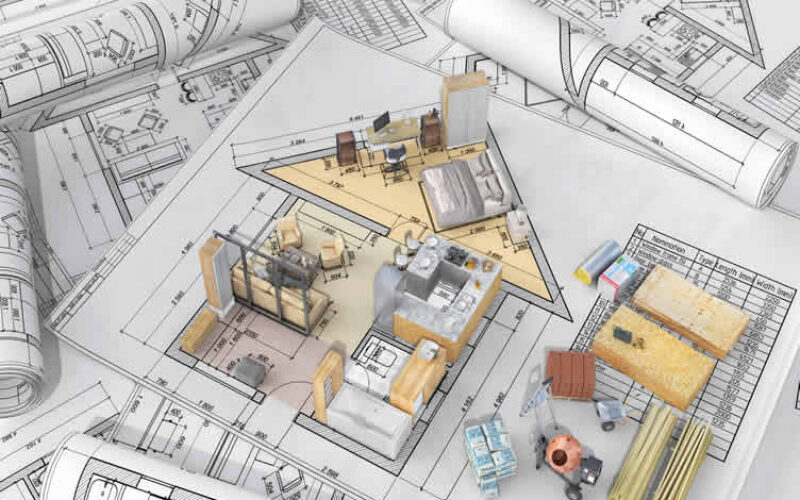
Should You Remodel Your Home? Take the Leap with Confidence
Deciding whether to remodel your home involves weighing various factors, including costs, potential disruptions, and the ultimate goals you envision for your living space. Before making a decision, it’s important to thoroughly assess the current condition of your home, identify areas in need of improvement, and establish a realistic budget.
Cautions and Considerations
While zero down and no interest financing may seem like a no-brainer, there are critical risks and drawbacks you must account for to avoid financial pitfalls.
-
Deferred Interest
Deferred interest is one of the biggest potential downsides of these deals. If you fail to pay off the full principal amount by the end of the promotional period, you’ll likely face steep backdated interest charges. This can significantly increase the final cost of your project, often wiping out any initial savings.
-
Hidden Fees
It’s not uncommon for promotional financing to come with hidden fees, such as origination charges, late payment penalties, or annual costs for retailer credit cards. Be sure to read the fine print before committing to a financing plan, and always ask your lender or contractor about additional fees.
Alternatives to Zero Down and No Interest Financing
Zero down and no interest financing isn’t your only option when it comes to funding home improvement projects. There are alternative financing solutions you should consider, depending on your financial situation and goals.
-
Home Equity Loans
Home equity loans allow you to borrow against the equity you’ve built in your home. These loans often come with competitive interest rates and fixed terms, making them a reliable choice for larger renovation projects. However, they require that you have sufficient equity in your property and can be risky if housing prices drop.
-
Personal Loans
If you don’t want to risk your home as collateral, unsecured personal loans are a viable alternative. While interest rates tend to be higher than home equity loans, they offer flexibility and quicker approval processes. Shop around with different lenders to find the best terms for your needs.
Final Insights on Home Improvement Financing
Zero down and no interest financing can be an excellent tool for homeowners looking to carry out much-needed renovations without the immediate burden of upfront costs or interest.
However, taking advantage of these deals requires a clear understanding of how they work, as well as a plan to pay off the balance during the promotional term. Be vigilant about potential hidden fees and deferred interest clauses, and consider alternative financing options if you don’t qualify or the risks outweigh the rewards.
By approaching financing strategically, maintaining financial discipline, and thoroughly evaluating your options, you can turn your dream home improvement projects into reality while safeguarding your financial health.
other related analysis of interest: (new win)
The Future is Here: Meet Your New Home Robots
Transform Your Outdoor Space with Beautiful Container Gardening
Find Home Remodeling Services Additions Major Remodels Minor Remodels Disability Needs Plumbing Drain Clearing Appliances Electrical top-rated, pre-screened local contractors FREE: download contractor selection enter zip code – powered by HomeAdvisor ™


Image credit: by envato.com
end of post … please share it!
| more photo remodeling |
Jump Over to Our Photo Analysis Center for Ideas on
"Renovating Home"
|__________________________________________________________|
home remodeling surprise
find out where it might go - new win


Helpful article? Leave us a quick comment below.
And please share this article within your social networks.