Understanding these problems early can mitigate extensive damage, keep repair costs low, and ensure a healthy home environment.
Some more frequent sewer problems include tree root intrusions, sewer line bellies (sags in the line causing blockages), and corrosion due to aging pipes. These issues can disrupt daily life, cause water damage, and lead to costly repairs.
For instance, tree roots may penetrate sewer pipes, leading to blockages and pipe breakage. Over time, even small shifts in soil can create sags (or ‘bellies’) in the pipes, trapping debris and allowing residue to build up.
Common Signs Indicating Sewer Issues
Timely identification of sewer issues is critical to preventing severe damage. Recognizing the common problems in your sewer system is essential for timely sewer repair.
Here are some common signs that indicate you might have a sewer problem:
- Frequent Clogs:
If your sinks, toilets, or showers are frequently clogged, it may suggest a deeper blockage in the sewer line. Recurring issues despite repeated attempts at clearing clogs might signal something more serious. - Slow Draining:
Water that drains slowly from your sinks or bathtubs could signal a blockage in the sewer line. This can be particularly noticeable when multiple fixtures are used simultaneously, causing widespread slow drainage. - Gurgling Noises:
Unusual gurgling noises from your drain pipes often indicate air trapped in the pipes due to a blockage. These strange sounds usually indicate disruption in the normal water flow through your plumbing system. - Unpleasant Odors:
Foul smells from your drains or yard can indicate sewer line damage or a blockage. Selling sewage in your home or yard can signify that wastewater is not being conducted away as it should be. - Water Damage:
A sewer backup may cause unexpected water damage in your home. This can include anything from mold growth due to constant dampness to significant flooding that causes structural damage.


DIY vs. Professional Solutions
When faced with sewer problems, you may wonder whether you should tackle the issue yourself or call in a professional. Here’s a breakdown of both approaches:
-
DIY Solutions
For minor blockages, DIY methods can be effective:
- Plunger:
A simple plunger can clear minor clogs in sinks and toilets. Pressing and releasing the plunger creates enough suction to dislodge minor blockages. - Drain Snake:
A drain snake, or auger, can dislodge blockages further down the drain pipes. It involves feeding the snake into the drain and twisting it to break up or retrieve the blockage. - Natural Cleaners:
A mixture of baking soda and vinegar followed by hot water can sometimes clear minor clogs. This method is less abrasive than chemical cleaners and more environmentally friendly.
DIY solutions are generally more affordable and can be done immediately without professional scheduling. However, their effectiveness is usually limited to minor issues that don’t involve significant blockages or damaged pipes.
- Plunger:
-
Professional Solutions
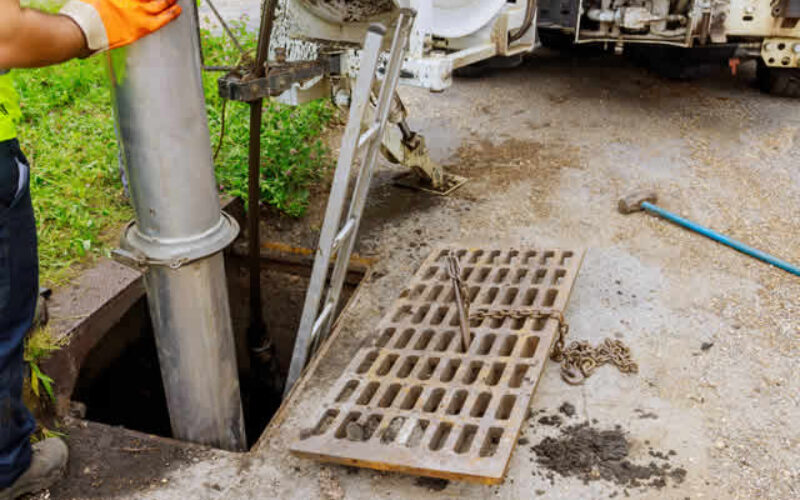
However, professional plumbing services are necessary for more severe or recurring issues. Experts use specialized equipment like hydro-jetting machines and video inspection cameras to diagnose and fix problems effectively. Professional services ensure all work is done according to safety standards and local regulations.
For example, hydro-jetting involves using high-pressure water to clean the interiors of sewage pipes, removing the toughest clogs and buildup. Video inspections allow plumbers to pinpoint the exact location and nature of the problem inside the pipes, making the repair process more efficient.
These professional solutions often provide long-term fixes and peace of mind by reducing guesswork and preventing possible misdiagnoses.
Preventive Measures to Avoid Sewer Problems
Preventing sewer issues is more cost-effective and less stressful than repairing them. Here are some proactive measures:
- Avoid Flushing Inappropriate Items:
Only flush toilet paper and human waste. Avoid flushing items like wipes, feminine hygiene products, and paper towels, as they can cause significant blockages. - Use Drain Screens:
Install drain screens to catch hair, food particles, and other debris before they enter the pipes. This simple measure can prevent many common clogs and keep your drains working smoothly. - Regular Cleaning:
Use natural cleaners to clean your drains regularly. Over time, even permissible waste can build up in your pipes. Preventative maintenance, like regular cleanings, helps keep things flowing. - Tree Root Management:
Keep trees with invasive roots away from sewer lines. Consider root barriers or more frequent inspections if trees are near sewer lines. Tree roots penetrate and entangle sewer lines, leading to blockages and damage. - Schedule Regular Inspections:
Professional inspections can catch minor issues before they become significant problems. The EPA recommends regular maintenance to prevent costly repairs. Routine checks can identify potential issues like minor leaks or early stages of pipe corrosion, allowing for timely interventions.
Incorporating these measures can extend the life of your sewer system and prevent unexpected, costly disruptions. Consider making regular inspections and cleanings a part of your home maintenance routine.
Cost Considerations for Sewer Repairs
The cost of addressing sewer issues varies widely based on the problem’s severity, location, and complexity. Here are some cost considerations:
- Minor Blockages:
Fixing simple clogs might cost between $100 and $300. These costs can be manageable but quickly escalate if the problem is more systemic. - Tree Root Invasions:
Removing tree roots from sewer lines can cost between $100 and $600. This involves specialized equipment to cut and remove roots without further damaging the pipes. - Sewer Line Replacement:
Replacing a sewer line may cost thousands of dollars. Traditional methods can range from $5,000 to $20,000, while trenchless methods, though expensive upfront, can be more cost-effective in the long term by reducing landscape restoration costs. Trenchless methods involve minimal digging, which can save your garden or driveway from being disrupted. - Preventive Maintenance:
Regular inspections can cost between $100 and $500, but they help avoid costly repairs. This preventative approach often identifies problems before they become critical, saving you from unexpected significant expenses.
The range of costs can be significant, so getting multiple quotes and understanding precisely what each quote covers is essential.
Some problems may appear similar but could require dramatically different approaches and costs. Always factor in the immediate cost and potential long-term benefits and savings.
other related articles of interest:
How to Recognize and Resolve Sewer Line Problems at Home
Top 5 Things You Need to Know About Trenchless Sewer Replacement
Additional Resources
For more detailed information on sewer maintenance and repair, check out these resources:
- How Plumbing Can Affect Health—National Geographic’s informative piece delves into the broader impacts of plumbing issues on health and well-being.
- EPA’s Guide to Septic Systems – Useful guidelines on keeping your sewer systems in top shape. This resource from the Environmental Protection Agency offers thorough advice on maintaining your sewer systems effectively.
Find Plumbing Services Plumbing Issues Drain Clearing Septic/Sewers Water Heaters Pumps Water Softening top-rated, pre-screened local contractors FREE: download contractor selection enter zip code – powered by HomeAdvisor ™


Image credit: common sewer problems by envato.com
end of post … please share it!
| more photo remodeling |
Jump Over to Our Photo Analysis Center for Ideas on
"Renovating Home"
|__________________________________________________________|
home remodeling surprise
find out where it might go - new win


Helpful article? Leave us a quick comment below.
And please share this article within your social networks.