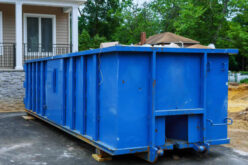
Having the appropriate size dumpster can make a significant difference in the efficiency and cost-effectiveness of your project. Here are some essential tips to help you select the perfect dumpster size for your renovation:
Assess the Scope of Your Project
Before deciding on a dumpster size, take a moment to evaluate the scope of your renovation project. Consider factors such as the type of materials you will be disposing of, the volume of waste expected, and the duration of your project.
A bathroom remodel will likely require a smaller dumpster than a full kitchen renovation or whole-house decluttering.

Understand Dumpster Sizes
Dumpsters come in various sizes, typically measured in cubic yards. Common sizes include 10-yard, 20-yard, and 30-yard dumpsters. A 10-yard dumpster is suitable for small projects like attic or garage cleanouts, while a 20-yard dumpster is ideal for medium-sized renovations like kitchen remodels.
For larger projects such as whole-house renovations or construction debris removal, a 30-yard dumpster may be more appropriate.

Before you start any home remodeling – such as a kitchen or bathroom remodeling, adding an addition, building a new section onto the home, and other major renovation project, run some financial numbers to determine whether the renovation is a smart investment.
The numbers include the estimated costs, home value assessment, financing costs, and other related calculations.
Review these cost-related issues to remodeling vs. buying a new home.
links to internal page (opens new win)
| analyze the numbers | |
| estimate the cost of your project | |
| start assembling a budget | |
| get your home value |
The 2nd step for planning your home remodeling is deciding what you would like to do.
Will it be a –
- remodeling your kitchen or bathroom,
- converting the attic or basement,
- adding an addition or extension to the home,
- changing out your deck or patio into an all-season room,
- upgrading the home with new windows, doors and flooring,
- redesigning your landscape with new features,
- or something else.
You can find other home remodeling ideas by referencing our home renovation analysis and topic directories (opens new win)
| view remodeling design "ideas" directory | |
| view latest "topics" for home renovation | |
Step 3 is sketching your ideas on paper (or digitally) and developing the spec plan.
The spec plan determines what type of home remodeling materials, items, and design considerations that will be needed. It will also contain the product specifications for each renovation element.
You will use the spec plan and architectural design to bid the project out to a contractor.
links to internal page (opens new win)
| developing the spec plan | |
| sketch remodeling plan | |
| design considerations |
Step 4 is finding and negotiating the contract with a remodeling contractor.
Give your home remodeling ideas and specs to a contractor for review and bid analysis. Use the local network (aligned with HomeAdvisor) to find the right contractor for your project.
Review guides for contractor selection and negotiation.
links to internal page (opens new win)
| search remodeling contractors | |
| selecting your contractor checklist |
| contractor negotiations | |
| contractor evaluation form |
Step 5 is arranging financing once you selected the contractor and finalized the contract for your project.
Using the equity value in your home is one of the best financing option for home remodeling. Start with a home equity line of credit or use the bank equity program.
Other options may include cash-out refinancing, personal savings, and/or financing from home improvement contractors.
links to internal page (opens new win)
| financing options | |
| getting qualified for financing | |
| negotiate rates |
Step 6 is where the project begins.
It starts with setting up the work area, removing everything that needs to be replaced, installing electrical and network connections, putting in the final touches, etc.
It also means working with the contractor, managing the project, and getting the home remodeling project inspected before releasing any funds.
links to internal page (opens new win)
| working with the contractor | |
| managing remodeling project |
| about a home project inspections | |
| find home inspector |
Consider Space Constraints
When choosing a dumpster size, it’s essential to consider the available space on your property for placement. Larger dumpsters require more space for delivery and removal, so make sure you have enough room to accommodate the size you choose.
Additionally, check local regulations or homeowner association rules regarding dumpster placement to avoid any issues.
Estimate Your Waste Volume
Estimating the volume of waste your project will generate can help you determine the right dumpster size. For reference, a 10-yard dumpster can hold approximately three pickup truck loads of debris, while a 20-yard dumpster can accommodate around six pickup truck loads.
If you’re unsure about the amount of waste you’ll produce, it’s better to err on the side of caution and opt for a slightly larger dumpster.
Factor in Weight Restrictions
In addition to size considerations, keep in mind weight restrictions when selecting a dumpster. Different types of waste have varying densities, which can affect how much material a dumpster can hold. Be mindful of weight limits imposed by the rental company to avoid overage fees or safety hazards during transportation.
Consult with Dumpster Rental Providers
If you’re still uncertain about which dumpster size is best suited for your renovation needs, don’t hesitate to consult with local dumpster rental providers.
Experienced professionals can offer guidance based on their expertise and knowledge of similar projects. They can also provide insight into any specific requirements or regulations that may apply in your area.

Review Duration and Scheduling
Another valuable tip is to carefully review the duration of your project and schedule your dumpster rental accordingly. Many renovation projects experience delays or extend beyond their expected completion date.
Renting your dumpster for a slightly longer period than you anticipate can save you from rush fees for additional days or the hassle of swapping out dumpsters mid-project. This approach not only ensures that you’re prepared for any unexpected changes but also allows for a more relaxed and flexible project timeline.
Speak with your rental provider about their policies on extensions or late returns to choose the best option for your needs.
By taking these factors into account and carefully assessing your project requirements, you can confidently choose the right-sized dumpster for your renovation needs. Proper planning and consideration upfront will ensure smooth waste removal processes and contribute to the overall success of your home improvement endeavors.
Find Home Remodeling Services Additions Major Remodels Minor Remodels Disability Needs Plumbing Drain Clearing Appliances Electrical top-rated, pre-screened local contractors FREE: download contractor selection enter zip code – powered by HomeAdvisor ™


Image credit: choose the right-sized dumpster by envato.com
end of post … please share it!
|__________________________________________________________|
home remodeling surprise
find out where it might go - new win


Helpful article? Leave us a quick comment below.
And please share this article within your social networks.