It’s a common challenge many homeowners face, but the good news is that it’s one that can often be solved with a few adjustments or fixes. Whether it’s early in the morning or after a long day, you deserve the simple pleasure of uninterrupted hot water.
In this guide, we’ll peel back the layers of why your water heater might be underperforming and share handy tips to warm up your water experience.
Sediment Build-Up
One of the most common reasons for insufficient hot water is sediment build-up in your water heater tank. It might not sound like a big deal at first, but here’s the thing: Over time, minerals, typically calcium and magnesium, along with other debris, can accumulate at the bottom of the tank.
This creates a barrier between the water and the heating element, and you guessed it – that means less heat gets through. The result? Lukewarm showers when you’re craving warmth. But don’t worry, there’s a simple fix.
Regularly flushing your water heater, which is a straightforward process, can significantly improve its efficiency. This ensures a consistent and satisfying supply of hot water, letting you enjoy those relaxing showers without any surprises.

Thermostat Issues
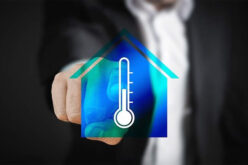
Sometimes, the heart of the hot water mystery lies with the thermostat. It’s a small device with a big role: ensuring your water heats to just the right temperature. If the thermostat is mistakenly set on the lower side, or if it’s not keeping accurate tabs on temperature, the outcome is predictably chilly.
By giving your thermostat a quick check—adjusting its settings upwards if need be or replacing it if it’s lost its sense of accuracy—you can bring back the cozy warmth to your showers. It’s a simple step, but one that can make a world of difference in your water heater’s performance.
Worn-Out Heating Elements
Worn-out or faulty heating elements are another common reason behind your water heater’s less-than-satisfactory performance. Over time, these elements can degrade or entirely burn out, directly impacting the heater’s ability to warm up your water efficiently. Especially in electric water heaters, there are typically two heating elements working in tandem.
If one isn’t pulling its weight, you might find your water’s warmth lacking. The good news? Replacing these elements can be a relatively simple and cost-effective way to restore your system’s heating prowess. By ensuring both elements are in working order, you can look forward to a more consistent hot water supply.


Insufficient Tank Size
If you frequently run out of hot water during peak usage times, such as in the mornings or evenings, the culprit could be the size of your water heater tank. It’s essential to match the tank size with your household’s demands.
A tank that’s too small can quickly run dry at those peak times, leaving you shivering instead of soaking in warmth. Upgrading to a larger tank, or even considering a tankless water heater for endless hot water, might just be the solution you need.
This change can ensure everyone in your home enjoys their fair share of hot water exactly when they need it.
Age of the Water Heater
As water heaters age, their efficiency tends to decline, leading to reduced hot water production. If your water heater is old and outdated, it may be time to consider replacing it with a newer, more energy-efficient model.
A new water heater can not only provide you with ample hot water but also help you save on energy costs in the long run.
Regular Maintenance Checks
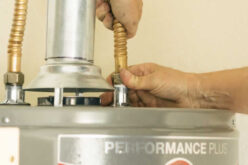
Don’t overlook the power of regular maintenance to keep your hot water flowing as expected. Like any major appliance, water heaters benefit from periodic checks to ensure they’re operating at peak efficiency. This includes inspecting for leaks, checking the pressure relief valve, and ensuring the anode rod is in good condition.
The anode rod, often referred to as the “sacrificial rod,” plays a crucial role in preventing corrosion inside your tank. Replacing it before it’s fully worn out can prolong the life of your water heater and maintain a consistent hot water supply.
Friendly reminder: It’s a good idea to consult with a professional if you’re unsure about performing these checks yourself. Regular maintenance not only helps in providing a steady supply of hot water but can also prevent unexpected breakdowns.
other related articles of interest:
Knowing When to Replace Your Water Heater
Recognizing the right time to replace your water heater can save you from the discomfort of cold showers and also provide economic benefits in the long run. Generally, water heaters have a lifespan of about 8 to 12 years. However, this can vary based on maintenance, usage levels, and water quality.
Signs that suggest it’s time for an upgrade include a consistent lack of hot water, frequent repairs, rust-colored water, or any leakage around the base of the heater. If your unit is approaching or has surpassed its expected lifespan and is showing these symptoms, it might be more cost-effective to invest in a new model.
Water heater replacement not only ensures you enjoy reliable hot water but can also reduce your energy costs, thanks to advancements in heating technology. Making a timely switch can enhance your daily comfort and contribute to a more sustainable lifestyle.
By being proactive and addressing the issues affecting your water heater’s performance, you can ensure a reliable supply of hot water for your home. Whether it’s addressing sediment build-up, thermostat issues, or considering a replacement, taking the necessary steps can help you enjoy the comfort of hot water without any interruptions.
Image credit: by envato.com
end of post … please share it!
|__________________________________________________________|
home remodeling surprise
find out where it might go - new win


Helpful article? Leave us a quick comment below.
And please share this article within your social networks.