When you’re having problems with your gas or electric water heater, try troubleshooting them yourself before you call in a plumber. Often, you can get your water heater working again in just a few minutes.
First, you need to know whether your water heater operates on electricity or gas. Figure out whether you have a gas or electric water heater, if you don’t already know.
If your water heater has a flue coming out of the top of it, it’s a gas model. If it has no flue but a thick electrical cord instead, it’s an electric model.
Once you’ve figured out what you’re dealing with, read on to solve some of the most common water heater problems.
Your Hot Water Is Out
If you have no hot water at all in the house, then chances are your hot water has stopped working. (If, however, you have hot water in just part of your house, that’s a problem with the pipes, such as a blockage caused by ice or mineral build-up.) You will need to restart your water heater.
For an electric water heater, first make sure that the rest of the house has power. Then go to your electrical service panel and make sure the breaker that controls the water heater hasn’t tripped.
If it has, reset it, and that should fix your water heater. If it hasn’t, you will need to reset the high temperature limit switch on the water heater.
Turn off the power to your water heater and remove the upper access panel. Pull out the insulation behind the access panel to reveal a red reset switch. Press the button down hard until you hear a click, then replace the insulation and access panel and restore power to the water heater.
If that doesn’t work, you may need to buy and install water heater accessories like a new heating element.
For a gas water heater, first make sure that gas is flowing to the water heater. You will probably have to relight the pilot light following the instructions on the side of the water heater.
To verify that the pilot light is relit, remove the access panel at the bottom of the water heater, turn off the light in the room, and then lie down on your floor to peer through the viewing window at the bottom of the water heater.
Once you have relit the pilot light, the burner should ignite and start heating water. If the pilot light won’t stay lit, the problem could be as simple as debris in the valve or as complex as a defective thermocouple or low pressure in the gas line.
Your Hot Water Is Too Hot
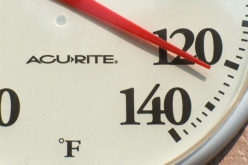
If your hot water is coming out of the tap too hot, you probably have your water heater turned up too high. On an electric water heater, remove the access panels at the top and bottom of the water heater, pull out the insulation, and use a flathead screwdriver to adjust the thermostat to between 115 and 120 degrees.
Remember, you should always turn off the power to your electric water heater before doing anything to it.
On a gas water heater, there should be a temperature control knob visible on the outside of the tank. Simply set the water heater to a lower temperature.
If your hot water remains too hot despite adjusting the thermostat, you will need to reset the high temperature limit switch. If that doesn’t work, call a professional.


You Don’t Have Enough Hot Water Anymore
Usually, if you’re running out of hot water, it’s because you’re using it faster than your water heater can heat it up.
A water heater can provide about 75 percent of its capacity in hot water, so if you have a 40-gallon water heater, you can expect to get 30 gallons of hot water out of it before it runs out. You may need to be more strategic about how you use your hot water or even buy a bigger water heater.
If it seems like you’re getting less hot water out of your electric water heater than you once did, try turning up the thermostat a little, especially if it’s gotten cold since the problem began. Water heaters have to work harder during cold weather and your hot water may be cooling off in the pipes.
If turning up the water heater doesn’t work, the problem may be a failed heating element. Lukewarm water for your entire shower means a failed upper heating element, while hot water at the beginning of a shower that quickly turns cold means a failed lower heating element.
In gas water heaters, the problem could be a buildup of sediment in the bottom of the tank, necessitating a water heater flush. A leaking tank can also cause a dwindling supply of hot water.
other related articles of interest:
Conventional, Tankless, and More: Which Water Heater Is Best for Your Home
Your Water Heater Is Making Noises
If your water heater is making rumbling or banging noises, it needs to be flushed. Banging and rumbling noises occur when sediment builds up in the bottom of the tank.
If you don’t flush the sediment out, your tank will eventually corrode and begin leaking. A leaking water heater tank must be replaced.
Your water heater is one appliance that you can definitely troubleshoot yourself before calling a repairman. Most of the time, you can get your water heater up and running again yourself, so you can get back to doing laundry, washing dishes, and taking hot showers.
Find Home Heating Services Central Heating Radiant Heat Fireplaces Thermostats top-rated, pre-screened local contractors FREE: download contractor selection enter zip code – powered by HomeAdvisor ™


Image credit: by envato.com
end of post … please share it!
|__________________________________________________________|
home remodeling surprise
find out where it might go - new win


Helpful article? Leave us a quick comment below.
And please share this article within your social networks.